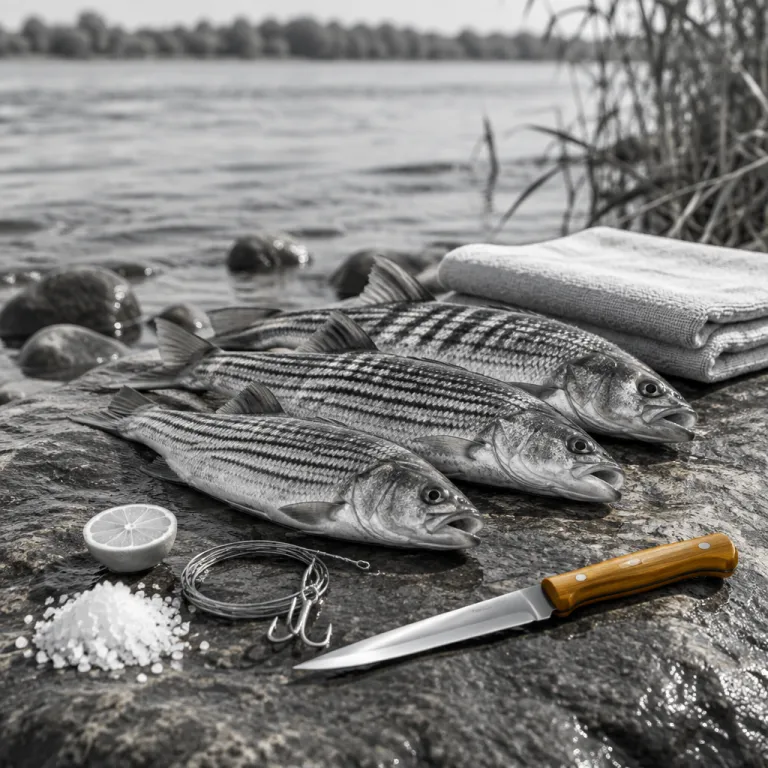
Why tiger fish on the Zambezi belongs in your safari plan
The phrase “tiger fish fishing Zambezi Zambia safari activity” sounds technical until you are on the river at first light. A skiff noses out from the shaded bank, the Zambezi river running bronze and fast while your guide quietly reads every swirl and seam for signs of movement. One cast later, a tiger fish hits the lure with shocking force and the entire fishing experience becomes as vivid as any lion sighting in a national park.
For non anglers, tiger fishing on the Zambezi is usually framed as an optional extra, something you might try if there is time between game drives and sundowners. In reality, this river activity is one of the best ways to feel the pulse of Zambia, because the fishing forces you to slow down, watch the current and notice how wildlife uses every channel and island. You sit low on the water, the boat drifting past hippo pods and crocodiles while fish eagles patrol the river and the guide explains how the lower Zambezi system feeds the wider ecology of southern Africa.
Luxury lodges along both the upper Zambezi near Victoria Falls and the lower Zambezi near the national parks now treat tiger fishing as a core safari option rather than a niche pursuit. A good river lodge or fishing lodge will offer light tackle, experienced river guides and flexible timing so you can pair a morning on the water with an afternoon game drive in a nearby park. When you book through a curated platform such as MyZambiaStay, you can read detailed lodge notes that explain exactly how each camp offers this activity, from private boats to shared departures.
What actually happens on a tiger fishing outing
A typical tiger fish session on the Zambezi starts from your river camp or lodge jetty just after sunrise. The guide positions the boat along a promising stretch of river, often where a side channel rejoins the main flow or where the bank drops sharply into deeper water that holds bait fish. You learn how to cast towards the structure, let the lure or bait swing naturally and then keep the line tight while you read the subtle taps that signal smaller fish before a zambezi tiger slams the rod.
Most luxury properties in Zambia treat this as a strictly catch and release fishing experience, which keeps the zambezi river stocks healthy and respects the role of tiger fish in the food chain. Guides will talk you through handling the fish quickly, keeping it in the water as much as possible and releasing it strong so it can power back into the current. The adrenaline spike when a tiger fish jumps, shaking its head and flashing silver in the sun, is intense yet surprisingly accessible even for first time anglers who have never tried fly fishing or conventional spinning.
From a hospitality perspective, the structure is gentle and guest focused rather than hardcore. A half day outing usually lasts three to four hours, giving you time to return to camp for a late breakfast or lunch before an afternoon safari drive or a night under the stars at a specialist sleep out experience such as those described in this sleep out under Zambia's dry season sky guide. Boats carry cool boxes, coffee and often freshly baked snacks, and the camp offers blankets or spray jackets when the early morning river air feels cool.
Where on the Zambezi system the fishing truly shines
When travelers ask where the best tiger fishing sits within the broader Zambezi system, the answer usually narrows to three distinct stretches of river. The lower Zambezi, opposite Zimbabwe’s Mana Pools and adjacent to Zambia’s Lower Zambezi National Park, offers classic big water with deep channels, wooded islands and prolific wildlife. Here, a river lodge or intimate river camp places you minutes from prime drifts where every cast feels like a genuine chance at a strong zambezi tiger.
Farther upstream, the upper Zambezi above Victoria Falls has a different character, with wider, slower channels and reed lined banks that suit both conventional and fly fishing. Lodges near Livingstone often combine fishing zambezi sessions with visits to the falls, sunset cruises and cultural excursions, which works well for solo travelers who want variety rather than a single focus. Around Sekoma Island and other midstream sandbanks, guides position boats to work the current edges where bait fish gather and tiger fish patrol, turning what looks like a calm surface into a dynamic hunting ground.
There is also a quieter corridor of excellence along the Zambezi National Park and into the Baines River area, where specialist fishing lodges and river camps cater to guests who want longer stays that span several days of mixed safari and fishing. These properties sit within or close to protected areas, so you often see elephants crossing the river while you cast and hear lions at night from your tented suite. For travelers weighing whether to stay inside a national park or in a private concession, this detailed comparison of national park versus private concession access helps clarify which setting will suit your preferred balance of river time and game viewing.
How lodges weave fishing into a wider safari day
On a well run itinerary, tiger fish fishing on the Zambezi becomes one thread in a day that also includes vehicle safaris, canoeing and slow time in camp. You might start with a dawn fishing zambezi session, return to the lodge for brunch, then head out on an afternoon game drive that tracks lions along the river floodplain. After sunset, a night drive or a quiet drink around the fire lets you replay the day’s wildlife and fishing highlights with your guide.
Luxury properties in Zambia understand that many guests arrive as non anglers, so they design flexible schedules that let you try the activity without pressure. A river lodge will often offer shared boats for casual guests and private skiffs for those who want more focused tiger fishing, with the option to shorten or extend the outing depending on how you feel. Some camps on the lower Zambezi even combine a gentle downstream canoe with a pick up by the fishing boat, so you can paddle past hippos and then switch to casting for tiger fish as the light softens.
This layered approach works particularly well for solo travelers who value autonomy. You can read the daily activity board, talk through options with your guide and decide whether the next morning should be about tracking leopard in the park, working a productive island channel for zambezi tiger or simply staying in camp to enjoy the pool and river views. For a broader sense of how Zambia’s top properties choreograph these multi activity days, the in depth lodge profiles in the luxury stays in South Luangwa guide offer useful parallels even though that region focuses more on walking safaris than fishing.
What to expect from equipment, guiding and river conditions
From an equipment standpoint, most high end lodges along the Zambezi provide everything you need for a first class fishing experience. Rods, reels, terminal tackle and lures are usually included, and the camp offers life jackets, sun protection on the boat and sometimes even polarised sunglasses for guests who forgot theirs. If you are a keen angler, you can bring your own compact travel rod or a dedicated fly fishing setup, but it is not essential.
Guides on the lower Zambezi and upper Zambezi tend to be long serving professionals who know every bend of the river, often having grown up along its banks in Zambia or neighbouring countries such as Zimbabwe and South Africa. They read the current, adjust drifts to match water levels and explain how seasonal changes affect where tiger fish hold and feed. During the peak months, typically as water levels drop late in the dry season, the combination of concentrated bait fish and clearer water makes this tiger fish fishing Zambezi Zambia safari activity particularly productive.
Conditions remain firmly freshwater, despite the Zambezi’s eventual journey towards the Indian Ocean, so you do not need heavy saltwater gear. Boats are usually stable aluminium skiffs with casting decks, and a good fishing lodge or river camp will limit guest numbers per boat to keep the experience comfortable. While names like Baines River Camp or Sekoma Island Lodge often appear in specialist angling circles, non anglers can simply focus on choosing a property with strong guiding credentials, clear safety protocols and a calm, confident approach to sharing one of Africa’s great river systems.
Planning your stay: timing, locations and booking smart
Timing matters if you want this river based activity to shine alongside your broader safari. The most reliable tiger fishing on the Zambezi usually aligns with the later dry season, when lower water levels concentrate fish in the main channels and around structure. During these months, a stay that spans at least three or four nights in a river lodge gives you enough time to balance fishing, game drives and unhurried hours in camp.
Location choices often come down to whether you prefer the wildlife density of the lower Zambezi or the softer, more varied pace of the upper Zambezi near Victoria Falls. In the lower reaches, staying near or within Lower Zambezi National Park places you close to prime fishing drifts and classic big game viewing, with elephants, buffalo and predators using the same river corridors you are working for tiger fish. Around Livingstone and the upper river, you can pair half day fishing zambezi outings with visits to the falls, cultural tours and relaxed sunset cruises that suit first time visitors to Africa.
When you book through a specialist platform such as MyZambiaStay, you can read transparent lodge descriptions that spell out how each camp offers this activity, from boat capacity to guiding ratios and whether the focus leans more towards hardcore anglers or mixed interest safari guests. Look for clear references to catch and release policies, safety on the river and how the lodge coordinates with nearby national parks or private concessions for game drives. A well chosen property will turn tiger fish fishing on the Zambezi from an optional extra into a defining memory of your time in Zambia, one that sits comfortably alongside walking safaris in South Luangwa or coastal escapes to the Indian Ocean after your inland journey.
FAQ
Is tiger fish fishing on the Zambezi suitable for beginners ?
Yes, most lodges design their tiger fishing outings specifically so non anglers can participate comfortably. Guides handle boat positioning, tackle setup and fish handling, while you focus on casting and feeling the strike. Short half day sessions mean you can try the activity without committing your entire safari to fishing.
When is the best time of year for tiger fishing in Zambia ?
The most consistent tiger fishing on the Zambezi generally occurs late in the dry season, when water levels drop and bait fish concentrate in the main channels. This period often delivers clearer water and stronger currents, which suit both lure and fly techniques. Shoulder season months can still produce good fish, but conditions vary more with local rainfall and river flow.
What should I bring if the lodge already provides equipment ?
Even when a fishing lodge supplies rods and tackle, you should pack polarised sunglasses, a wide brimmed hat, high SPF sunscreen and light, quick drying clothing. If you are particular about gear, consider bringing your own reel or a compact travel rod, plus any favourite lures or flies. A small dry bag for camera equipment and personal items is also useful on the boat.
Can I combine tiger fishing with other safari activities in one day ?
Yes, many river lodges on the lower Zambezi and upper Zambezi structure their schedules so you can fish in the morning and join a game drive or canoe trip later the same day. A typical pattern is a dawn fishing session, brunch in camp and an afternoon vehicle safari or sunset cruise. This balance keeps the experience varied and works well for travelers who do not want a purely fishing focused trip.
Is tiger fish fishing ethical and sustainable on the Zambezi ?
High quality lodges in Zambia follow strict catch and release practices for tiger fish, using appropriate tackle and handling methods to minimise stress on the fish. Guides avoid over pressured areas, respect no fishing zones near sensitive wildlife habitats and educate guests about the river’s ecology. Choosing operators with clear conservation commitments helps ensure your experience supports long term sustainability on the Zambezi.