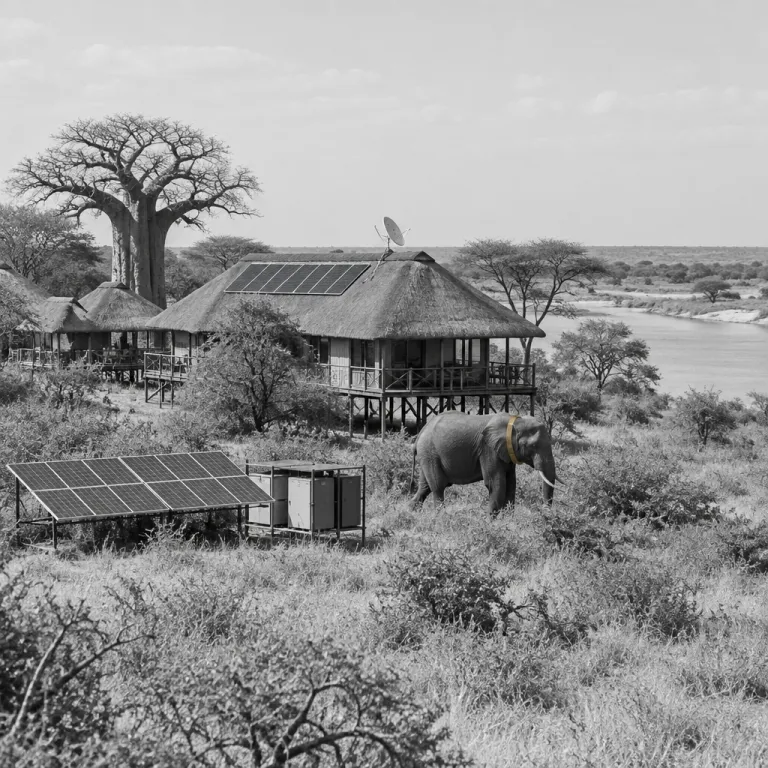
How off grid technology quietly shapes luxury in Zambia
Luxury travellers flying into Zambia often see only the polished surface. Behind every chilled towel and perfectly pressed bedroom linen lies a carefully engineered mix of solar power, satellite internet and water treatment systems that keeps the wilderness experience seamless. The more remote the camp, the more fully that hidden infrastructure matters for guests who expect reliability without losing the sense of African remoteness.
In the Kafue and Lower Zambezi regions, lodges operate far from any national grid, so every watt of power and every drop of treated river water is produced on site. A modern safari camp now runs on integrated photovoltaic arrays, battery banks and carefully managed diesel backup, with engineers monitoring load from the main tented lounge to each private villa or tree house. When you book, ask how the property balances comfort with conservation, because that answer reveals more about its values than any pool photograph.
For business leisure travellers extending meetings in Lusaka into a few nights on safari, this invisible tech stack is the difference between a productive stay and a frustrating one. Executives want high speed connectivity for a quick call, yet they also want the bedroom and spa room to feel like a retreat overlooking river channels where elephants cross at dusk. Understanding how off grid lodge systems integrate solar energy, battery storage and modern satellite links helps you choose properties that deliver both silence and signal.
Starlink, air connectivity and the new digital frontier
Starlink has quietly rewritten what connectivity means in a remote safari camp, especially in areas where traditional satellite links were slow and fragile. At properties like Lone Palm in Zambia, Starlink now powers guest Wi Fi in the main area, turning previously offline lodges into workable bases for short bursts of business. Typical download speeds of 50–150 Mbps, as reported by early adopters in 2023, allow guests to send large files, join video calls and still step out minutes later for afternoon game drives.
For many executives, the question is no longer whether there is internet, but how that high speed connection is managed so it does not dominate the experience. Some lodges keep Starlink access to the central lounge or library, leaving the bedroom and private villa terraces blissfully offline for uninterrupted sleep and wildlife listening. When you compare lodges, ask whether connectivity reaches the tented suites, house suites or only shared spaces, because that policy shapes the rhythm of your stay as much as the game drive schedule itself.
There is also a tension between digital detox marketing and the reality of modern work, especially for guests arriving from Lusaka or South African hubs with unfinished emails. A few properties now publish clear tech charters, explaining how they throttle bandwidth during peak game drives or switch off non essential power draws to protect solar power reserves. If you care about sustainability, read detailed reviews such as the electric game drives and solar kitchens report on verifying Zambia's green lodge claims on the ground before you book, because transparency is the new luxury.
Solar power, water systems and the quiet engineering of comfort
Solar power has become the backbone of serious off grid lodges in Zambia, especially in the Kafue and Lower Zambezi corridors. At Anantara operations in Kafue National Park, for example, the anantara tented safari camp is powered entirely by solar energy, with on site water purification and rainwater management supporting both guests and staff. Public statements from regional managers describe systems in the 80–150 kW range with lithium battery storage sized for at least 10–12 hours of overnight use, allowing tented camp operations to run air circulation, refrigeration and subtle low intensity red lighting that minimises wildlife disruption at night.
From a guest perspective, the engineering is almost invisible, yet it shapes every moment of your stay, from the temperature of the pool to the pressure in the bedroom bathroom steam showers. A well designed safari camp will size its panels and batteries so that spa room treatments, private spa plunge pools and villa stocked fridges run without noisy generators kicking in after sunset. When you read property descriptions, look for specifics about solar arrays, storage capacity and water treatment rather than vague claims of being eco friendly, then cross reference with in depth guides such as this overview of Zambia eco friendly luxury hotels.
Water systems are equally critical, especially for lodges overlooking river channels like the Kafue River or the Zambezi. Many camps now filter river water for showers and sinks, then use separate drinking water systems to keep guests safe while reducing plastic waste from imported bottles. When a lodge explains how it manages grey water, laundry and pool backwash, you can be confident that its sustainability story runs fully through operations, not just through marketing copy.
Satellite collars, drones and data driven guiding
Technology in Zambia’s national parks is not limited to guest comfort; it increasingly shapes conservation and guiding decisions. Satellite wildlife tracking collars on lions, wild dogs and elephants feed data to conservation teams, who then brief guides before morning game drives on likely movements. This is where reliable solar powered communications and modern satellite internet become more than a convenience, because high speed data links allow real time updates that can turn a minor discovery into a major sighting.
In Kafue, for example, some camp Kafue guides receive overnight collar data showing which pride crossed near the Kafue River or which pack skirted the boundary of a tented camp. They still track traditionally by spoor and alarm calls, but they can choose starting routes more intelligently, saving fuel and time while keeping pressure off sensitive areas. Drones are used sparingly, mainly for anti poaching patrols and habitat monitoring, yet their presence means that the African wilderness you see from your tree house deck is being watched over from above as well.
Guests rarely see this layer of technology, yet it underpins the sense of safety when you walk back to your bedroom after dinner or step onto a pontoon boat for a sunset cruise overlooking river islands. Some lodges now offer optional conservation briefings, where researchers explain how satellite collars, camera traps and aerial surveys guide management decisions. If you care about where your money goes, choose lodges that share this data openly and integrate it into guiding, rather than treating conservation as a separate, distant activity.
Choosing the right tech profile for your next Zambian stay
For business leisure travellers, the art lies in matching your connectivity needs with the right level of wilderness immersion. A fully connected safari camp with Starlink in every bedroom and apartment style suite may suit a short break after meetings in Lusaka, while a more remote tented property with Wi Fi only in the main area suits those craving deeper quiet. When you browse options on myzambiastay.com, pay attention to how each listing describes its energy systems, satellite connectivity and off grid infrastructure, not just the soft furnishings.
Look beyond headline features like a pool or spa and read how power is generated, how air conditioning or air cooling is managed and whether the villa stocked minibar runs on efficient systems. Properties that explain their use of solar power, battery storage and limited generator backup tend to be more thoughtful in other areas, from the design of house suites to the positioning of each private deck overlooking river channels. For a deeper sense of how this plays out on the ground, explore long form lodge reports such as this guide to elegant journeys into South Luangwa, which detail both comfort and conservation.
Room configuration also matters, especially if you are sharing a villa or tree house with colleagues or family. Check whether each bedroom bathroom pair has independent hot water, whether spa room treatments can be arranged in a private spa pavilion and whether steam showers or plunge tubs rely on constant power. The best lodges in Zambia now treat technology as part of the hospitality architecture, integrating it so gracefully that guests feel only calm, cool air and warm service, not the hum of infrastructure behind the canvas.
FAQ
How reliable is internet connectivity at remote Zambia safari lodges ?
Connectivity has improved significantly at remote lodges in Zambia thanks to Starlink and upgraded satellite systems. Many safari camp properties now offer high speed Wi Fi in main areas, while some extend coverage to selected bedrooms or villas. Operators commonly report download speeds above 50 Mbps under clear skies, but always check whether access is limited to communal spaces or available throughout the lodges, then choose according to how much you need to work during your stay.
Can I run video calls from a safari camp without disrupting the experience ?
Short video calls are now realistic at several remote properties equipped with modern satellite internet, especially those advertising Starlink or equivalent systems. The most considerate approach is to schedule calls during midday heat, when game drives pause and main areas are quieter. Use headphones, keep calls brief and choose lodges that confine connectivity to lounges, so your bedroom and private deck remain peaceful.
Are solar powered lodges as comfortable as generator based properties ?
Well designed solar power systems can match or exceed the comfort of generator based lodges, provided they have sufficient panels and storage. Guests can expect reliable lighting, hot water, efficient air circulation and even steam showers or spa room treatments in many solar led camps. When researching, look for detailed explanations of energy systems rather than generic eco labels, because specifics signal serious engineering.
How does conservation technology affect what I see on game drives ?
Satellite collars, camera traps and occasional drones help guides understand wildlife movements before they leave camp. This means your game drives can focus on areas with higher chances of sightings while avoiding sensitive zones, reducing disturbance to animals. The result is often fewer vehicles around key sightings and a more natural feeling experience, even though data quietly shapes the route.
What should I ask a lodge before booking a business leisure stay ?
Ask three practical questions : how strong and widespread is connectivity, how is power generated and managed and whether quiet hours or bandwidth limits apply. Clarify if Wi Fi reaches your bedroom or only the lounge, and whether air cooling or heating is available during shoulder seasons. Properties that answer clearly and transparently about their technology, from solar arrays to satellite links, are usually better prepared for executive travellers who blend work with wilderness.
Sources
Lone Palm Zambia; Anantara Kafue operations; Rus Tourism News; public Starlink performance reports (2022–2023).