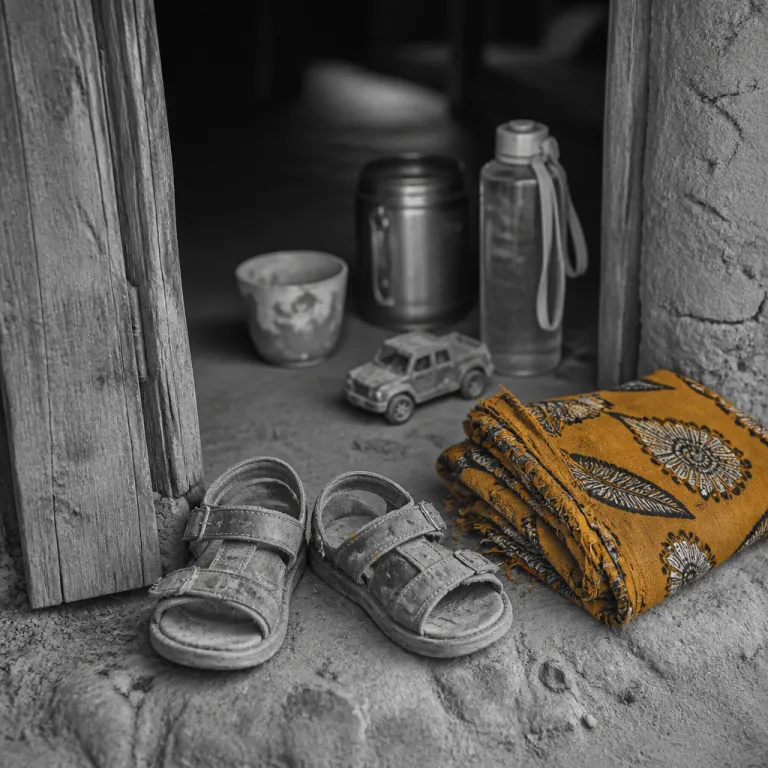
How village visits fit into a Zambia family safari with children
A well planned Zambia village visit can anchor a thoughtful family safari with children. When handled carefully, these encounters turn a standard safari in Zambia into a layered journey where kids connect wildlife, people, and landscapes. The key is choosing lodges, camps, and safari houses that treat community time with the same care they give game drives and walking safaris.
Across Zambia, village visits sit alongside classic safari activities such as dawn game drives, afternoon boat trips on the Zambezi River, and pool time back at the lodge. In South Luangwa and the wider Luangwa National Park region, many properties weave a village morning into a longer Luangwa safari, pairing it with school visits or conservation projects that make sense for children. Around Lower Zambezi and Kafue, some camps focus more on river based activities, yet the best still curate meaningful cultural stops that work for families with kids.
For a Zambia family itinerary, the most successful village experiences feel like an extension of the bush, not a break from it. Children who have just watched elephants cross the Luangwa River or the Zambezi River are primed to understand how nearby communities share space with wildlife. When a family safari includes both village time and classic safari holidays, parents see their children grasp that safari Zambia is not only about lions and leopards, but also about the people who live beside the national parks.
Livingstone and Victoria Falls: village visits between river, spray, and safari
Livingstone is often the first stop for a Zambia village visit on a family safari with children. Families come for Victoria Falls and the Zambezi River, then realise that the most memorable activities for kids may happen away from the spray, in nearby villages where daily life unfolds at a gentler pace. The best luxury lodge teams here understand that families need balance between adrenaline and quiet cultural time.
High end lodges and safari houses near Victoria Falls typically offer a menu of activities that includes guided visits to local communities, often combined with school projects or small scale craft cooperatives. When you review options for Zambia safari lodge experiences for discerning travellers, look for properties that cap group sizes, use long standing local partners, and brief children clearly before they arrive. A thoughtful guide will explain why Victoria Falls shapes farming, fishing, and even the rhythm of church services, so kids can link the roar of the falls to the lives they see in the village.
For younger children, a Livingstone village visit works best when it is short, tactile, and close to the lodge or house. Many families pair a gentle morning in the village with an afternoon by the pool, or a sunset cruise on the Zambezi River where hippos surface and birds skim the current. On a longer family safari, returning to the same community over several days can help kids move beyond shyness, turning a single visit into an ongoing friendly safari ritual rather than a one off performance.
South Luangwa and the Luangwa River: deep village experiences from serious safari camps
South Luangwa is Zambia’s most storied valley for walking safaris, and it is also one of the best places to pair a serious safari with a thoughtful village visit for children. Here, the Luangwa River shapes both wildlife corridors and village fields, so kids can see how elephants, hippos, and people all depend on the same water. A well designed Luangwa safari often includes time in a nearby community, framed by guides who know every bend of the river and every path through the bush.
Many family friendly lodges and safari houses in the Luangwa National Park area support schools, clinics, or conservation clubs, and they invite Zambia family guests to visit only when it will not disrupt lessons or daily routines. When you read an elegant guide to Victoria Falls and Livingstone, you will notice that South Luangwa is often mentioned as the place where Zambia perfected the walking safari; that same guiding depth can make village visits here unusually rich for children. A strong camp manager will brief families on dress, behaviour, and photography, then hand over to local hosts who lead the visit in their own words.
Properties such as Robin House and Tangala House, though based in different regions, illustrate how a private safari house can give families the space to process what children have seen in the village. After a morning in a community near the Luangwa River, kids can return to their house or camp, cool off in the pool, and talk through questions with their guide over lunch. When family safaris in South Luangwa blend village time with walking safaris and gentle game drives, children start to understand that the bush is both a wildlife sanctuary and a lived in landscape.
Lower Zambezi and beyond: when river camps, safari houses, and kids align
On the Lower Zambezi, the river itself is the main stage, and village visits unfold along its banks in a way that feels very different from the Luangwa. Children travel by boat from camp, watching fishermen check nets and cattle drink at the water’s edge before stepping into sandy paths that lead to homes and fields. The contrast between the quiet of a canoe and the bustle of a village can be one of the most vivid parts of a Zambia village visit for a family safari with children.
Luxury camps and private safari houses along the Lower Zambezi often design community activities around the rhythms of the river, pairing a village stop with a morning of fishing or an afternoon of gentle game drives. When families stay in a safari house with its own guide and vehicle, such as a river facing house used exclusively for one Zambia family at a time, the pace can be tuned precisely to the needs of kids. Short walks, shaded meeting spots, and plenty of water breaks help children stay engaged, especially when the heat builds away from the pool and the breeze of the Zambezi River.
For multi generational families, a private safari on the Lower Zambezi can be a smart way to manage different energy levels during village visits. Grandparents might remain at camp while parents and children head out, then everyone reunites for a late brunch on the deck overlooking the bush. When safari holidays in this region combine river based activities, village time, and flexible days in camp, families find that children remember the laughter and games in the village as clearly as the lions seen in the national park.
What children really gain, and how to choose the right visit
Parents often hope that a Zambia village visit will be a single transformative moment for their children, yet in reality the impact tends to be quieter and cumulative. Kids remember the taste of nshima eaten in a family house, the rhythm of a song learned in a schoolyard, or the way a guide translated jokes that made everyone laugh. Over the course of a longer family safari, these small details add up to a deeper sense that safari Zambia is about people as much as it is about wildlife.
Age matters when you plan village activities for children, and so does the structure of your itinerary. Under sevens usually cope best with very short visits close to the lodge or camp, ideally combined with hands on games, simple language lessons, or dancing rather than long explanations. Older children and teenagers can handle longer walks through the bush paths between houses, more detailed conversations about how national park rules affect farming, and even frank discussions about conservation challenges.
When you evaluate options, ask your lodge how visit fees are shared with the community, who decides which families or schools you meet, and whether visits are capped to avoid fatigue. A genuinely friendly safari operation will be transparent about money flows, will cancel visits during exams or funerals, and will tell you honestly if a particular camp or village is not currently suitable for kids. If a property cannot answer basic questions about community partnerships, or seems to treat village time as a quick photo stop between game drives and the pool, that is a sign to skip the visit and focus your Zambia family energy elsewhere.
How to spot authentic engagement, and when to skip with kids
Not every Zambia village visit is created equal, and families with children need to be selective. Authentic experiences usually grow from long term relationships between a lodge or safari house and a specific community, rather than from generic tours sold to passing safaris. When a camp manager can name the head teacher, the clinic nurse, and the local committee that approves visits, you are in safer territory.
Look for signs that children will be genuinely engaged rather than passively watching a performance. Strong programs invite kids to join games in the schoolyard, try a few words of a local language, or help stir a pot in a family kitchen, always with clear consent from hosts. In contrast, if you are promised a fixed schedule of dances on every visit, or see groups of tourists cycling through the same houses all day, the experience may feel staged and tiring for both visitors and families in the village.
There are times when the best decision on a family safari is to skip a village visit altogether. If the heat is extreme, if your kids are exhausted from long game drives, or if your lodge admits that the community is currently under strain, it is kinder to everyone to stay in camp and let children rest by the pool. A truly family friendly safari operation will support that choice, reminding you that meaningful cultural contact can happen in many ways across Zambia, from quiet conversations with your guide to watching a football match with staff behind the lodge.
FAQ
What is the best age for children to join a village visit in Zambia ?
Most lodges recommend village visits for children aged around seven and above, when attention spans and walking stamina improve. Younger kids can still join if the village is close to the lodge and the visit is kept short and playful. Teenagers often gain the most, as they can engage in real conversations about school, work, and life near a national park.
How long does a typical village visit last during a family safari ?
On a Zambia family safari, village visits usually last between one and two hours door to door from the lodge or camp. In South Luangwa and Lower Zambezi, travel time by vehicle or boat can add another 30 to 60 minutes each way. Families with younger children should ask for the shortest version, with plenty of shade and water breaks built in.
Are village visits in Zambia safe for kids ?
When arranged through reputable lodges, safari houses, or camps, village visits are generally very safe for children. Guides manage routes to avoid wildlife risks, monitor heat and hydration, and stay close to kids in busy areas. Parents should still follow lodge advice on footwear, sun protection, and respectful behaviour around homes and schools.
How can we tell if a village visit is genuinely supporting the community ?
Ask your lodge how fees are distributed, which local committees approve visits, and how often guests are hosted. Transparent operators can explain what proportion of your payment reaches the community and which projects it funds. If answers are vague or focused only on guest enjoyment, consider choosing a different property or skipping the visit.
What should children wear and bring on a Zambia village visit ?
Light, modest clothing that covers shoulders and knees is respectful and practical for both boys and girls. Closed shoes, a hat, sunscreen, and a reusable water bottle are essential in the Zambian bush heat. Parents should avoid handing out sweets or cash directly, and instead use lodge channels for any donations.