Why Zambia suits a true wellness safari more than crowded reserves
Zambia’s quiet parks give wellness room to breathe and settle. In the south of the country, low density lodges in South Luangwa and the Lower Zambezi national park offer space for a genuine Zambia wellness safari that blends yoga, sound therapy and time in the bush, not just a rushed spa menu between game drives. That difference matters for couples who want a wellness retreat that feels intentional rather than improvised.
On a typical day in South Luangwa, you might move from a dawn yoga session on a sandbank to mid-morning game drives that track wild dogs, then end with sound therapy under a sausage tree. A similar wellness-focused bush retreat feels different again in the Lower Zambezi, where canoes slide past elephant crossings and yoga meditation happens on islands that seem reserved for two. These national parks are quieter than many in South Africa or Tanzania, so the natural soundtrack is not drowned by convoys of vehicles.
That calm is why Zambia now attracts travelers from the United States who have already sampled safaris in Botswana or Chobe national park and want a deeper wellness experience. They are not looking for a free welcome massage but for multi day wellness retreats that integrate yoga, spa treatments and time in nature into the rhythm of safaris. When you start planning, think less about how many safaris you can squeeze in and more about how a safari retreat can support your nervous system.
There is also a cultural difference in how Zambian lodges approach wellness. Many owner run lodges in Africa grew from walking safaris and river expeditions, so wellness retreats here tend to be grounded in nature rather than in imported trends. When a property markets a yoga safari, ask how often yoga sessions actually run, whether yoga meditation is guided by trained teachers and how the retreat schedule balances with game drives. One South Luangwa lodge, for example, publishes a weekly timetable that lists sunrise vinyasa three times a week and restorative evening classes on alternate days.
Bush spa versus structured wellness: knowing what you are booking
Not every spa in the bush equals a wellness safari, and the distinction matters. A bush spa usually means a massage or facial offered after game drives, while a structured Zambia wellness safari or yoga and sound therapy retreat delivers a multi day programme with clear goals. Couples choosing between these models should decide whether they want pampering, transformation or a measured blend of both.
In many lodges across Africa, spa treatments are positioned as an add on, much like a scenic helicopter over Victoria Falls or a private boat trip on the Chobe river. You return from a long day of safaris, book a treatment if there is space and then rush to dinner, which rarely feels like a considered wellness retreat. Our in depth guide to spa versus silence in Zambia’s luxury lodges explains why some couples leave more rested when they choose fewer treatments but more time in natural quiet.
A structured yoga retreat or broader wellness retreat in Zambia looks different from a simple spa stay. You might have morning yoga sessions, midday yoga meditation, afternoon sound therapy and evening circles for person sharing, all woven around shorter game drives. At some Lower Zambezi camps, a sample day by day schedule might show 06:30 sunrise flow, 10:00 boat based game viewing, 15:00 sound bath on the deck and 17:00 gentle stretching before dinner. When a lodge advertises wellness retreats, ask for sample day by day schedules and read independent reviews to see whether the retreat is truly integrated or just a rebranded activity list.
Properties that get this right treat wellness as part of the safari retreat, not as a separate department. They design eco friendly treatment spaces that open directly to nature, use natural products and train guides to understand when guests need quiet rather than more commentary. When you compare lodges in South Luangwa, the Lower Zambezi or Kafue national park, look for language that describes how wellness, yoga and safaris interact rather than just listing a spa menu. Guest reviews that mention “unhurried mornings” or “time to sit by the river between sessions” are often more revealing than star ratings.
Sound therapy, river yoga and the lodges that truly integrate them
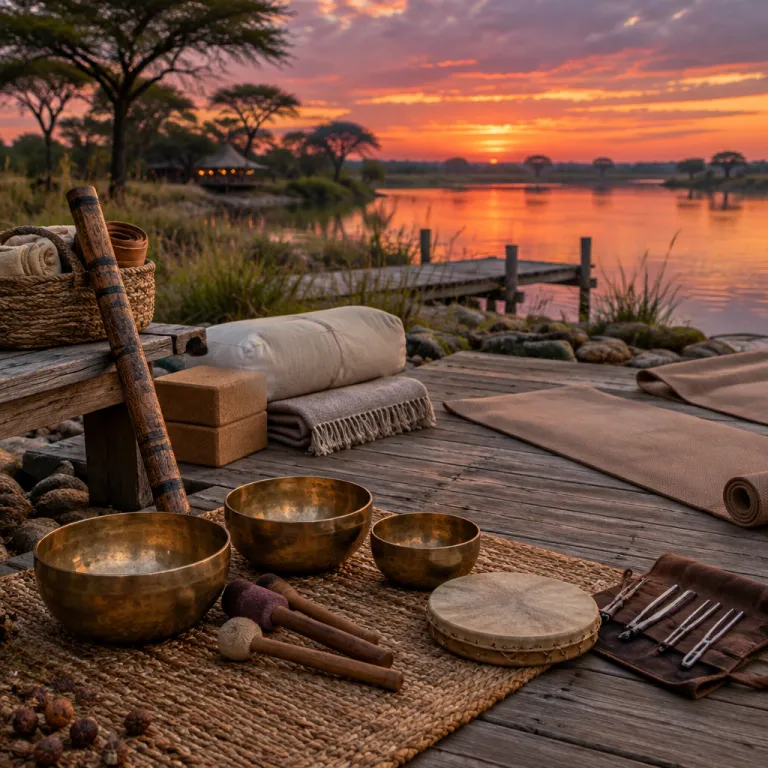
Sound therapy in the bush can feel either profound or performative, depending on where and how it is offered. In Zambia, the most effective wellness safari programmes that include yoga and sound healing use the existing soundscape of nature and layer instruments lightly, instead of drowning the bush in imported noise. When a practitioner works with bird calls, distant hippo grunts and the low rush of the Zambezi, the experience becomes rooted in place.
Lone Palm on the Zambezi is a strong example of a lodge that integrates sound therapy and yoga into its daily rhythm. The property offers yoga, sound therapy and mindfulness sessions on surrounding Zambezi islands, plus in room spa treatments that extend the sense of retreat beyond the main deck. Here, a yoga safari might start with gentle yoga sessions on a sandbar, move into yoga meditation under winterthorn trees and end with a sound bath that blends singing bowls with the natural chorus of frogs. One recent guest described the evening session as “the first time in years my mind stopped racing and just listened.”
Further west, Anantara’s tented camp in Kafue national park has introduced a floating Technogym platform on the river for private training and yoga. This kind of river yoga retreat works because it respects the flow of the day, scheduling movement between game drives and allowing couples to choose whether they want a vigorous practice or a slower wellness retreat. When you read lodge reviews, look for comments about how easy it was to opt in or out of sessions, not just praise for the equipment.
For travelers who want to start planning a longer wellness journey, Zambia also combines well with neighboring Botswana or South Africa. You might spend several days on a safari retreat in the Lower Zambezi, then add time in Chobe national park or near Victoria Falls to extend the sense of nature led restoration. Our guide to planning a wellness safari in Zambia explains how to sequence parks, lodges and rest days so the overall experience feels like one coherent retreat.
Scheduling conflicts: sunrise yoga or first light game drive ?
Every couple on a wellness safari eventually faces the same question. Do you roll out your mat for sunrise yoga, or climb into the vehicle for first light game drives when predators are still active ? The best Zambia wellness safari itineraries that feature yoga, sound therapy and bush based practices acknowledge this tension and design flexible schedules rather than forcing a choice every day.
Some lodges in South Luangwa and the Lower Zambezi alternate early yoga sessions with early safaris, so you can experience both without feeling rushed. On yoga safari days, you might practice at dawn, enjoy a late breakfast and then head out for a shorter mid morning drive that still delivers strong wildlife sightings. On safari retreat days, you skip the mat, leave camp in the dark and return to a late morning yoga meditation or restorative yoga sessions that ease the bumps from the track.
Other properties offer private yoga retreat options, where instructors adapt to your preferred rhythm. Couples from the United States who are battling jet lag often appreciate a later start, with wellness retreats that lean into slow mornings, long spa treatments and afternoon safaris. When you read reviews, pay attention to whether guests felt pressured to join every activity or free to curate their own balance between nature, wellness and wildlife.
There is also the question of how many activities any person sharing a tent can realistically enjoy in one day. A thoughtful wellness retreat will build in unscheduled time for reading, river watching or simply lying still and listening to Africa breathe. Before you start planning, ask each lodge how many activities they recommend per day and whether they can adjust the programme if you need more rest. A good rule of thumb is two core activities plus one optional gentle session, rather than filling every hour.
Is a dedicated wellness safari worth building an itinerary around ?
For some couples, a full scale wellness safari is the main reason to fly south to Zambia. For others, a lighter touch Zambia wellness safari, with yoga, sound therapy and quiet time in the bush threaded through a classic safari, feels more realistic and sustainable. The decision comes down to how you want to feel at the end of the trip, not just what you want to have done.
If you are already comfortable with yoga and meditation, a focused yoga retreat or broader wellness retreat can be deeply rewarding. You might choose ten days split between South Luangwa and the Lower Zambezi, with daily yoga sessions, regular yoga meditation, structured sound therapy and carefully timed game drives. In this model, the safari retreat becomes a container for personal work, and nature acts as both backdrop and active participant.
Couples who are newer to wellness practices often prefer lodges where spa treatments, yoga and mindfulness are available but not compulsory. They might book three or four wellness retreats over a longer journey that also includes Botswana, Chobe national park or even a stop near Victoria Falls. An eco friendly camp with strong guiding, flexible activity planning and honest reviews can deliver as much wellness as a formal programme, especially if the team understands when to suggest silence instead of another activity.
Either way, it helps to think of wellness as a thread that runs through the whole of Africa, not just a feature of one lodge. A private riverside dinner, like those described in our piece on what a private chef dinner on the Zambezi looks like, can be as restorative as an hour in the treatment room. When you build your itinerary, ask how each park, each camp and each day will support your nervous system, your relationship and your sense of connection to nature.
FAQ
How many days do I need for a wellness focused safari in Zambia ?
For a meaningful wellness safari, plan at least seven to ten days split between one or two parks. This allows time for yoga sessions, yoga meditation, spa treatments and unhurried game drives without compressing everything into a single long day. Shorter stays can still be restorative, but they feel more like a taster retreat than a full reset.
Which Zambian parks work best for a yoga and sound therapy retreat ?
South Luangwa and the Lower Zambezi are the strongest choices for a yoga safari that includes sound therapy. Both parks have low vehicle densities, strong guiding and lodges that understand how to integrate wellness into daily safaris. Kafue national park is emerging as a quieter alternative, especially for couples who value space and natural silence.
Can I combine Zambia with Botswana or South Africa on one wellness itinerary ?
Many travelers pair Zambia with Botswana, Chobe national park or private reserves in South Africa to extend their wellness retreats. The key is to avoid over scheduling transfers so the journey still feels like a retreat, not a race. Work with lodges that coordinate flights and transfers smoothly, then build in free days between parks.
Are eco friendly wellness lodges more expensive than traditional safari camps ?
Eco friendly wellness lodges in Africa often sit in the same price bracket as other premium safari lodges, rather than above them. Costs rise when you add private yoga retreat programmes, specialist teachers or extensive spa treatments, especially for a single person sharing a tent. Reading detailed lodge reviews helps you understand what is included in the nightly rate and what counts as an extra.
Is a wellness safari suitable for first time visitors from the United States ?
A wellness safari can be an excellent first Africa experience for couples from the United States. Structured wellness retreats provide gentle daily routines, while game drives and time in nature deliver the sense of adventure many first timers seek. Choose lodges with clear communication, flexible schedules and strong safety records to keep the focus on restoration rather than logistics.