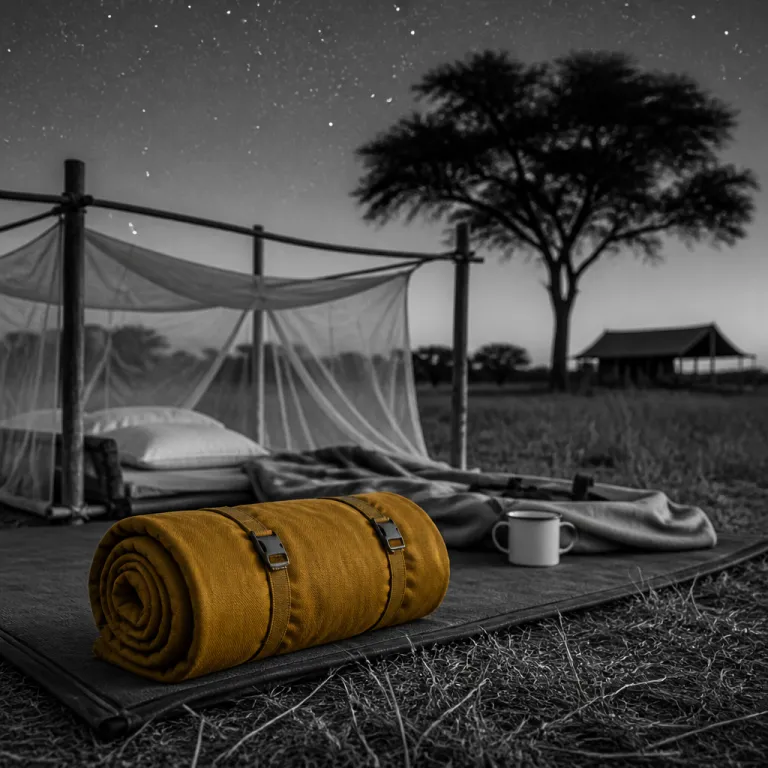
What a Zambia safari sleep out star bed experience really is
A Zambia safari sleep out star bed experience is not a gimmick. It is a carefully staged night in the wild where a raised platform, proper bedding and a cocoon of mosquito netting meet the raw soundtrack of the bush. For many travellers, that first walk from the main camp to a remote platform in South Luangwa feels more like a small expedition than a simple change of bed.
In Zambia, most sleep out arrangements sit on timber decks several metres above the ground, often near a dry riverbed or a quiet channel of the Luangwa River. The camp équipe sets up a full bed with cotton sheets, thick duvets and a gauzy net, then leaves you with a radio, a flask of hot water and the sense that the entire national park is your private suite. You still sleep under the stars in open air, but the structure is solid, the ladder is sturdy and the safety protocols are drilled into every member of staff.
The best luxury safari lodges in Zambia treat the star bed as an extension of the main lodge, not a downgrade. You keep the same level of service, just with a different ceiling and a much louder chorus of night sounds. For solo safari travel, that balance between wilderness and reassurance is what makes a Zambia safari sleep out star bed experience feel both thrilling and controlled.
Open air platforms, balcony star beds and how they differ
Not every Zambia safari sleep out star bed experience is the same. Some camps offer genuine open air platforms set well away from the main buildings, while others market a star bed that is essentially a roll out mattress on a lodge balcony. The difference matters if you are choosing between a true night in the bush and a more conventional luxury room with a view of the park.
In South Luangwa, classic walking safaris often pair a main river lodge with a remote fly camping deck, where you sleep under the stars above a dry channel of the Luangwa River. Here the camp team walks you out before night, checks the radio, confirms the plan for morning game viewing and then retreats to a nearby support tent, leaving you with the open air and the sounds of Africa. In these low density corners of Luangwa National Park, the darkness feels deep, the stars feel close and the sense of private space is far stronger than in a busy game reserve in South Africa.
Balcony style star beds at some safari lodges near Victoria Falls or in more developed parts of southern Africa offer a softer version of the same idea. You still sleep outside, but a sliding door back to your luxury suite and an en suite bathroom make the experience feel less like fly camping and more like an alfresco extension of the lodge. For travellers comparing refined Zambia safaris for discerning guests, this is where a specialist guide such as MyZambiaStay’s overview of refined Zambia safaris for discerning travellers seeking exceptional wildlife can help you match the right level of immersion to your comfort zone.
How the setup works: nets, platforms and safety in the night
The practicalities of a Zambia safari sleep out star bed experience are reassuringly methodical. Before sunset, local guides walk you from the main camp to the platform, pointing out elephant paths, hippo channels and the safest routes back to the lodge. The bed is already made, the mosquito net is tucked in and a small table holds a lantern, drinking water and sometimes a camera for the inevitable stars above the park.
Most star beds in Zambia sit on raised decks with simple railings, high enough to keep you clear of wandering wildlife but low enough to feel connected to the ground. You sleep in a proper bed, not a camp cot, and the netting is usually box shaped, giving you space to sit up and watch the night without feeling enclosed. Staff remain within radio range, often in a support camp a few hundred metres away, and they brief you clearly on what to do if you hear lions, hyenas or a particularly noisy hippo pod below.
Safety protocols are strict, especially in national parks where walking safaris are a core part of the lodge identity. You do not walk around the platform at night, you do not climb down the ladder without an escort and you keep your torch beam controlled so as not to disturb game viewing for others. Some properties pair the sleep out with a river lodge stay or even a refined river cruise, and travellers who enjoy that style of slow safari may appreciate reading about a more aquatic but equally atmospheric option such as sailing the Zambezi Queen river cruise for a refined Chobe safari.
What you actually hear, feel and fear under Zambia’s dry season sky
On a clear dry season night, a Zambia safari sleep out star bed experience is defined by sound. You lie in a private bed, wrapped in a warm duvet, and the first thing you notice is how far the calls carry across the national park. Hyenas whoop, lions grunt, elephants rumble and somewhere in the distance a nightjar repeats its soft, insistent note under the stars.
Average nighttime temperatures in the dry season sit around 10 °C, so you will want layers, socks and sometimes a hot water bottle at the foot of the bed. The air feels crisp, the sky is usually cloudless from July to October and the Milky Way arches over south Luangwa like a pale river of light. During this period, average daytime temperatures hover near 25 °C, which means you can enjoy warm afternoons in camp and still sleep comfortably in open air at night.
For many solo travellers, the first hour in a star bed is a negotiation between awe and anxiety. You know the guides are close, you know the camp has done this many times, yet the rawness of Africa at night is very different from a polished lodge near Victoria Falls or a manicured game reserve in South Africa. As one set of official guidance for outdoor camping in Zambia puts it, “With proper precautions and guidance, camping is generally safe.”
When to book, who it suits and how to choose the right camp
The dry season from May to October is the best window for a Zambia safari sleep out star bed experience. Tracks are firm, grasses are low and wildlife concentrates around remaining water, which means more intense game viewing from camp and from the star beds themselves. May and June feel cooler, July through September are peak months for clear skies and October brings hotter nights but extraordinary densities of animals along the Luangwa River.
This style of sleep out suits travellers who already feel comfortable on safari and who value immersion over hotel like amenities. If you are booking your first trip to Africa and feel nervous about walking safaris, you may prefer to start with a classic luxury lodge and add a star bed on your second visit. Those who love the idea of fly camping, who have perhaps stayed at open air platforms such as the Loisaba Star Beds in Kenya or slept on a roof terrace at a place like Ol Donyo Lodge, tend to embrace Zambia’s wilder version of the same experience.
When comparing camps, look for properties in low density areas of South Luangwa or other Zambian parks rather than busy corridors near Victoria Falls or the Okavango Delta. Ask whether the star bed is a true stand alone platform or simply a balcony, how far it sits from the main lodge and whether a guide remains in a nearby support camp during the night. For a curated sense of which safari lodges define each region, MyZambiaStay’s guide to the camps that define each Zambian park offers a one property shortlist that can anchor your planning and help you decide where a sleep out fits into your wider safari travel route.
FAQ
Is a Zambia star bed sleep out safe for solo travellers ?
With reputable camps in Zambia, a Zambia safari sleep out star bed experience is designed around strict safety protocols. Platforms are raised, staff remain within radio contact and local guides brief you carefully on what to do during the night. If you are nervous, start with a star bed close to the main lodge before trying a more remote platform in South Luangwa National Park.
What wildlife might I hear or see during the night ?
During the dry season, elephants, hippos and various bird species are commonly observed near camps and riverbeds. From a star bed you are more likely to hear lions, hyenas and owls than to see them clearly, although moonlit shapes sometimes move across the sand below. The real drama lies in the soundscape, which feels far more intense than from inside a closed lodge room.
Do I need special gear for a sleep out under the stars ?
Camps provide the bed, linens, mosquito nets and safety equipment, so you mainly need warm clothing for cool nights, insect repellent and any personal medications. A head torch with a red light setting is useful for moving around the platform without disturbing wildlife. Many travellers also bring a small camera or binoculars to make the most of early morning game viewing from the deck.
When is the best time of year for clear skies in Zambia ?
The dry season from May to October offers the clearest skies for a Zambia safari sleep out star bed experience. Average daytime temperatures around 25 °C and cooler nights near 10 °C create comfortable conditions for sleeping in open air. July through September usually combine the crispest nights with excellent wildlife concentrations around rivers and waterholes.
How does a Zambia sleep out compare with other African star beds ?
Star beds in Zambia tend to sit in lower density parks than many options in South Africa or near the Okavango Delta, which means fewer vehicles, darker skies and a stronger sense of solitude. The tradition of walking safaris in Luangwa National Park also shapes how guides manage safety and interpretation around the experience. If you have tried well known platforms such as the Loisaba Star Beds or stayed at properties like Ol Donyo Lodge, expect Zambia’s version to feel a little wilder and more focused on raw immersion than on design flourishes.