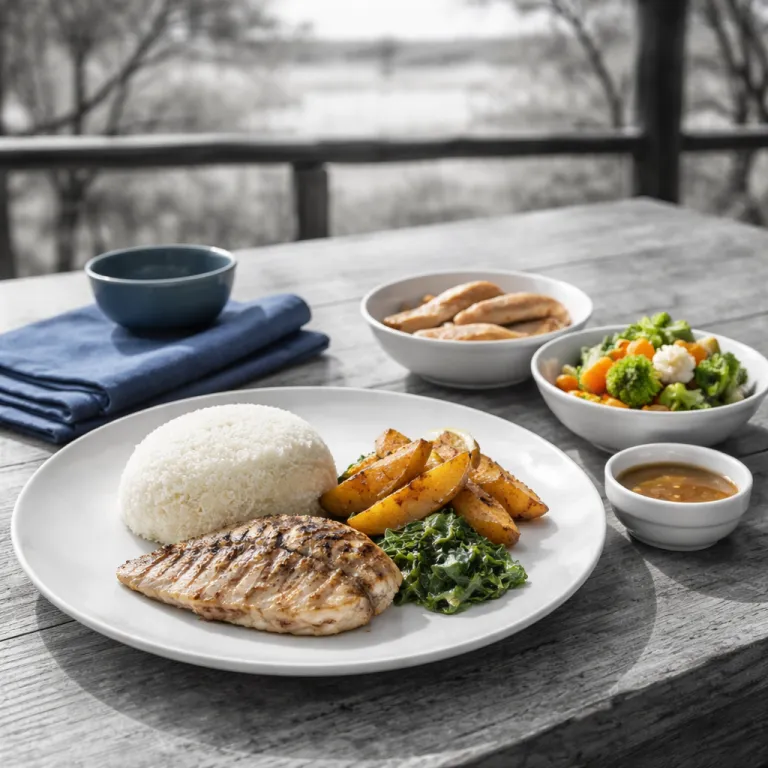
Safari dining in Zambia for families who care about the food
Safari dining in Zambia can look impossibly glamorous in marketing images. When you travel as a Premium Family, the reality on the plate matters more than the styling, because children, grandparents and serious food lovers all arrive with different appetites. Understanding how meals are actually planned and served at safari lodges across Zambia helps you choose a camp where the food rhythm supports your wildlife viewing, rather than competing with it.
Think of a typical day on safari in Zambia as a gentle arc of meals that start before sunrise and end under a sky bright with stars. At most luxury safari lodges in South Luangwa or the Lower Zambezi, the day begins with a light pre-drive spread — freshly baked muffins, fruit, strong coffee and sometimes traditional Zambian porridge — followed by a mid-morning bush brunch, a late lunch back at camp, sundowner snacks by the river and a plated three-course dinner in the dining room. This pattern keeps energy steady for game drives while leaving space for the real highlight, which is the wildlife rather than an overstuffed buffet.
Families booking through a luxury hotel platform should read sample menus as closely as they study photo galleries. A lodge that talks clearly about local food, seasonal produce and flexible dining times will usually handle children’s needs better than one that only lists generic international dishes. When you compare safari Zambia options, look for mentions of river lodge locations, access to fresh fish from the Zambezi River and references to specific areas such as South Luangwa National Park or the Lower Zambezi, because these details often signal a kitchen that is integrated into its landscape rather than reliant on bulk supplies flown in from elsewhere in southern Africa.
From Lusaka to Luangwa: how top lodges actually source and cook
Behind every polished safari dining promise in Zambia sits a supply chain that is either nimble and local or stretched and fragile. The better camps work closely with farmers, fishermen and gardeners, turning remote locations into surprisingly refined kitchens that still taste Zambian at their core. When you evaluate a luxury lodge on a booking website, pay attention to how clearly it explains this sourcing story, because it will shape every dining experience your family has in camp.
Royal Zambezi, for example, notes that it sources fresh local produce from farmers in the Chiawa Game Management Area, which means your salad leaves, herbs and vegetables have usually travelled fewer kilometres than you did on the game drive. On the Zambezi River itself, properties such as Royal Chundu and The Elephant Café describe menus built around river fish, smoked meats and freshly baked breads, often integrating traditional Zambian flavours like chibwabwa or grilled bream into contemporary plates. In Lusaka, Lilayi Lodge publishes sample menus that show how a safari lodge close to the capital can still feel rooted in Africa, pairing its own farm meats with African fusion cuisine that works for both cautious children and adventurous parents.
In South Luangwa, Kafunta River Lodge and KuKaya illustrate two different but complementary approaches to safari dining Zambia travellers often appreciate. Kafunta’s position near the Luangwa River floodplains allows for open-air dining experiences that track the light across the water, while KuKaya’s flexible camp setup and private plunge pools make in-room meals and staggered children’s suppers easy to arrange. One Kafunta guest described “watching giraffe silhouettes at breakfast while the chef fried eggs to order,” a small detail that shows how the kitchen and landscape work together. For a deeper look at how gourmet dining experiences are presented on luxury and premium hotel booking websites in Zambia, you can study the dedicated guide on curated gourmet dining experiences on Zambian hotel platforms, then compare those descriptions with what lodges say directly about their kitchens.
South Luangwa to Lower Zambezi: what families actually eat in camp
Once you arrive in camp, the rhythm of safari dining in Zambia becomes very tangible. A typical morning in South Luangwa starts with a wake-up knock, coffee on the veranda and a small bite before you climb into the vehicle, because no one wants a heavy plate before the first lion sighting. During the mid-drive stop, guides lay out a compact bush spread — think fruit, biscuits, sometimes still-warm pastries — that keeps children cheerful without distracting from the Luangwa National Park landscape.
Back at a river lodge such as Kafunta River Lodge or Mfuwe Lodge, brunch or early lunch usually leans toward salads, grilled meats and vegetables, with at least one traditional Zambian element like nshima or a pumpkin leaf dish for those who want to taste Zambia more deeply. Mfuwe Lodge, with its two-lagoon setting, is a strong example of how a camp can integrate wildlife and food, because you might watch elephants wander past the dining room deck while staff bring out freshly baked bread and still-crisp salads. In the Lower Zambezi, lodges along the Zambezi River often build lunch around the catch of the day, pairing grilled fish with citrus, herbs and simple sides that work for both adults and children after a hot morning on the water.
Dinner is where many safari lodges either shine or slide into generic territory. Strong properties in South Luangwa, including historic names like Chichele Presidential and Puku Ridge, tend to offer a plated three-course dining experience that balances international technique with regional flavours, so you might move from a light soup to a main of grilled game and finish with a dessert built around local fruit. Along the Lower Zambezi, Lolebezi’s River Pods are often cited by recent guests as a benchmark for private dining staging on the river, giving families the option of a quiet meal away from the main camp without losing the sense of being in wild Africa. One Lolebezi chef explains the approach simply: “We plan the menu around what is freshest that day, then adjust portions and seasoning for each table.” When you compare safari lodges on a booking site, look for this level of specificity in menu descriptions, because it usually signals a kitchen that will adapt gracefully to your family’s preferences.
Children’s plates, allergies and the reality of family friendly kitchens
For Premium Families, the most important safari dining Zambia question is rarely about wine lists. It is about whether the camp kitchen will handle a fussy eight-year-old, a vegetarian teenager and a parent with a nut allergy without drama. The gap between marketing and reality can be wide here, so you need to interrogate how each lodge talks about children and special diets before you click start on a non-refundable booking.
The strongest safari lodges in Zambia do not simply hand over a laminated kids’ menu with nuggets and chips. Instead, they adjust portions, simplify sauces and offer familiar shapes — grilled chicken strips, plain pasta, mini burgers — while still using the same fresh local ingredients that appear on the main menu, which keeps the food quality consistent. Properties like KuKaya, with its flexible camp layout, and family-friendly river lodge setups in South Luangwa, often serve children’s meals slightly earlier, allowing younger guests to eat and sleep while adults linger over a longer dining experience under the stars.
Allergies and dietary requirements need a different level of planning, especially in remote national park locations where the next shop is several hours away. You should share a detailed dietary brief with your booking consultant and the lodge at least two weeks before arrival, listing allergies, intolerances and preferences so the kitchen can plan supplies and avoid last-minute improvisation. When you research options on platforms such as luxury and premium hotel booking websites for immersive cultural encounters in Zambia, prioritise properties that mention vegetarian, vegan or gluten-free capabilities explicitly, because those kitchens are usually more practised at adapting menus without sacrificing flavour.
Bush dinners, fly camps and when the staging feels truly special
Nothing sells safari dining in Zambia quite like the image of a lantern-lit table in the sand. Bush dinners, riverbank barbecues and fly camp suppers are now standard features in the marketing of many safari lodges, yet their quality and authenticity span a wide spectrum. As a Premium Family, you need to know when these experiences are genuinely memorable and when they are simply a photo opportunity that keeps tired children up too late.
In South Luangwa, a well-executed bush dinner might take place on an open plain near the Luangwa River, with a fire, a simple bar and a buffet of grilled meats, salads and freshly baked breads laid out under the trees. The best teams keep the menu straightforward, leaning on traditional Zambian flavours and robust dishes that travel well from camp kitchens to remote clearings, while guides position vehicles so that wildlife viewing remains respectful and safe. Along the Lower Zambezi, some lodges set up sandbank dinners on the Zambezi River itself, timing the start for sunset so families can enjoy the colour change over the water before younger children head back to camp, leaving older siblings and parents to linger.
Fly camp setups are more stripped back, usually linked to walking safaris rather than vehicle-based day safari drives, and they suit older children or teenagers who enjoy a sense of expedition. Here, the dining room might be nothing more than a canvas awning, a long table and a paraffin lantern, with a one-pot meal that feels closer to camping than to a river lodge feast, but the trade-off is an intense connection to Africa’s night sounds. As one practical reference puts it, “What is traditional Zambian cuisine? It includes dishes like nshima (maize porridge), chibwabwa (pumpkin leaves), and various meats and fish. Are safari dining experiences suitable for vegetarians? Yes, many lodges offer vegetarian options using local vegetables and grains. How do I book a safari dining experience in Zambia? Contact the lodges directly or through reputable travel agencies.”
Practical booking tips for food focused safaris in Zambia
Booking a safari dining Zambia focused trip through a luxury platform is easier when you know what to ask. Start by shortlisting camps in South Luangwa, the Lower Zambezi and the Victoria Falls area that clearly describe their food philosophy, not just their room categories. Then, contact either the lodge or your chosen agent with specific questions about menus, children’s options and how far in advance they need your dietary information.
Ask whether the camp offers separate children’s mealtimes, whether they can provide early dinners on game drive days and how flexible they are with off-menu requests, because this will shape your daily rhythm more than any pool or spa. Clarify how often they stage bush dinners or special dining experiences, and whether these are shared with other guests or can be arranged privately for your family at a river lodge setting or on a deck overlooking the Luangwa National Park floodplains. If you are travelling with young children, check whether the camp is fenced, how far the dining room is from your suite and whether staff will escort you after dark, because safety and ease of movement matter as much as the menu.
Finally, remember that Zambia sits within a wider southern Africa safari circuit that often includes South Africa, yet its culinary identity is distinct and worth seeking out. When you read about safari lodges online, look for phrases such as “taste Zambia” or “traditional Zambian dishes” alongside mentions of international favourites, because this balance usually indicates a kitchen confident enough to celebrate its own region. With thoughtful questions and the right hotel booking website as your filter, your family can move beyond generic buffets toward a safari dining experience that feels as carefully curated as the wildlife sightings themselves.
FAQ about safari dining in Zambia for families
How far in advance should I share dietary requirements with a lodge ?
Remote safari lodges in Zambia often need to bring supplies in by road or small aircraft, so they plan menus well ahead. You should share detailed dietary requirements at least two weeks before arrival, including allergies, intolerances and preferences. This lead time allows the kitchen to stock appropriate ingredients and avoid last-minute compromises.
Can vegetarian or vegan travellers eat well on safari in Zambia ?
Many luxury lodges in Zambia already cater for vegetarian guests using local vegetables, grains and legumes. Vegan options are increasingly common, but they still require clear communication before you travel so the team can plan protein sources and dairy alternatives. When in doubt, ask for sample menus and confirm how many plant-based choices are offered at each meal.
Are bush dinners suitable for young children ?
Bush dinners can be magical for children who are old enough to stay awake and follow safety instructions. For very young guests, the late hours, darkness and unfamiliar setting may feel overwhelming, so an early dinner in camp followed by a shorter visit to the bush setup often works better. Always discuss your children’s ages and temperaments with the lodge so they can suggest the most comfortable arrangement.
What does a typical safari day’s food schedule look like ?
Most Zambian safari lodges follow a similar pattern built around game drives. Expect a light pre-dawn snack, a mid-morning stop with coffee and bites, a substantial brunch or lunch back at camp, afternoon tea before the second drive, sundowner snacks in the bush and a plated dinner on your return. This rhythm keeps energy levels steady without making you feel overfed during wildlife activities.
Is it possible to mix traditional Zambian dishes with child friendly meals ?
Yes, many lodges are skilled at offering both traditional Zambian dishes and simplified plates for younger palates at the same table. Parents might enjoy nshima, grilled fish or pumpkin leaves while children receive grilled chicken, pasta or vegetables prepared with milder seasoning. This approach lets the whole family share a sense of place without forcing anyone too far outside their comfort zone.