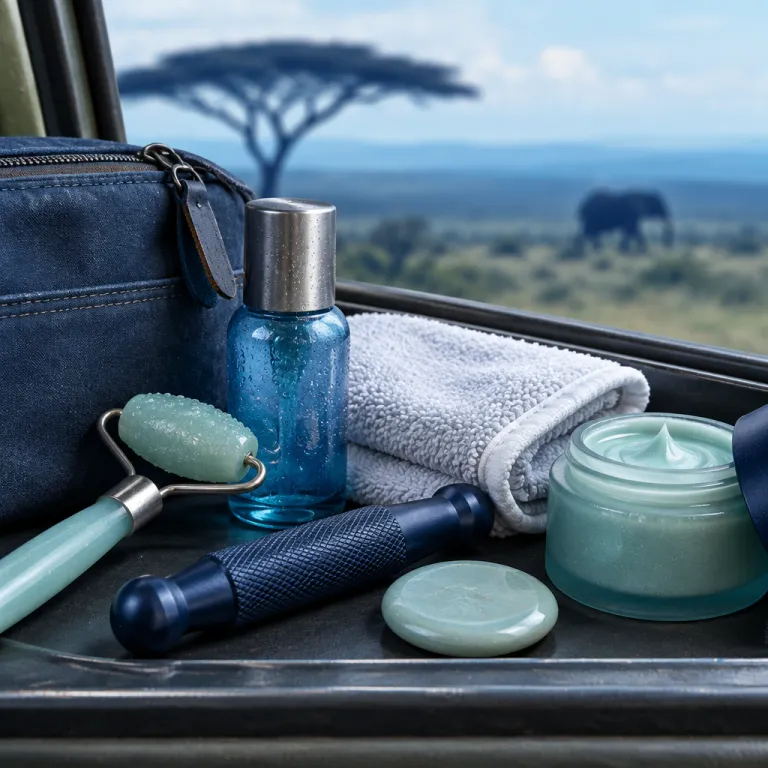
How a Zambia safari day really runs – and where spa time fits
The rhythm of a Zambia safari is non negotiable if you care about wildlife. Most lodges in Zambia and across this part of Africa shape their entire schedule around the coolest hours, when wildlife moves and predators hunt. Understanding that pattern is the foundation of any serious luxury spa Zambia safari booking guide that respects both wellness and game viewing.
A typical day in a luxury safari lodge starts before sunrise with a wake up call around 5.30, coffee by the fire at 5.45, and wheels rolling for game drives or walking safaris by 6.00. In South Luangwa National Park and the Lower Zambezi National Park, that early start is when you will track big cats, watch elephants cross the Luangwa River or Zambezi River, and feel the bush waking around you in real time. Miss that window and you are essentially paying luxury rates to watch impalas doze in the heat.
Vehicles usually return to camp around 9.30, when the light turns harsh and the bush quiets, and a generous brunch follows at the lodge by about 10.30. From 11.00 until roughly 15.00, the entire camp slows, guests retreat to suites, and staff reset vehicles for the afternoon safaris. That long siesta block is the natural spa slot in every serious Zambia safari spa program, because the wildlife is largely inactive and the heat makes a cool treatment room or shaded river lodge deck feel like part of the experience rather than a distraction.
Afternoon tea appears around 15.00, with game drives or walking safaris leaving between 15.30 and 16.00, depending on whether you are in South Luangwa, the Lower Zambezi, or Kafue National Park. Sunset drinks on the river, in the bush, or on a floodplain follow, then a night drive back to camp with spotlights scanning for leopard and hyena. Any luxury spa Zambia safari booking guide that suggests scheduling a long massage during these peak activity hours is not written by someone who has actually watched lions bring down a buffalo ten minutes before dark.
Using the siesta window for spa time without missing the best sightings
The 11.00 to 15.00 siesta window is where a smart luxury spa Zambia safari booking guide earns its keep. This is when the sun is high, the bush is quiet, and even the most committed photographers retreat to the shade of camp or their safari lodges. In South Luangwa and the Lower Zambezi, guides know that pushing guests out on midday game drives is rarely worth the time or fuel.
For wellness focused travelers, that lull is gold because it lets you stack treatments without sacrificing the best wildlife hours. A ninety minute massage at a river lodge on the Zambezi River, followed by a light poolside lunch and a short nap, still leaves you fresh for the afternoon drive in the national park. The key is to pre book spa slots that start no earlier than 11.00 and finish by 14.30, so you can shower, rehydrate, and be back at the main lodge deck for tea before the vehicles roll.
Some properties in lodges Zambia have integrated this flow beautifully, especially in the Lower Zambezi National Park where river breezes cool open air treatment salas. At a camp near the Zambezi National Park or a luxury safari lodge close to Victoria Falls, therapists often coordinate with guides so that a delayed game drive departure is communicated and no one feels rushed. If you are weighing different wellness models, this deeper piece on competing spa and silence philosophies in Zambia’s luxury lodges helps frame whether you want a full spa complex or a quieter, more meditative bush experience.
In South Luangwa, where walking safaris are a signature, the siesta window can also host shorter, targeted treatments. Think a forty five minute foot and calf massage after a long morning walk along the Luangwa River, followed by a cool plunge and a simple lunch in camp. Used this way, spa time becomes a tool to extend your energy for more walking safaris and evening game drives, not a rival to them.
Lodges where spa is part of the safari, not an afterthought
Not every safari lodge in Zambia treats wellness as a core part of the experience. Some camps still see spa menus as a box ticking exercise, with a single therapist on call and a massage table squeezed into a spare tent. A credible luxury spa Zambia safari booking guide needs to separate those from lodges where wellness is woven into the daily rhythm of the bush.
Along the Lower Zambezi, river facing properties like Sausage Tree style camps and other high end river lodges build entire decks around the Zambezi River, using the sound of water and birdlife as a natural soundtrack. In South Luangwa, several safari lodges now offer dedicated spa pavilions set back from the main camp, where you can move from a treatment bed straight into a shaded relaxation area without walking through the bar. These details matter when you are paying luxury safari rates and trying to balance meetings, emails, and game drives during a business leisure stay.
Further west, in and around Kafue National Park, camps such as Shumba Camp in the Busanga Plains lean more into open vistas and seasonal floodplains than heavy spa infrastructure, but visiting therapists are increasingly common. When you compare lodges Zambia wide, look for properties that publish clear spa hours aligned with the safari schedule, rather than vague “on request” promises. For families or executives traveling with partners, the logistics of treatments can be complex, and this guide to spa logistics that do not hijack the safari day is particularly useful when planning multi generational trips.
In the Livingstone and Victoria Falls corridor, several river lodge properties on the Zambezi River have elevated spa to near urban standards, with hydrotherapy, couples rooms, and full time wellness teams. These are strong options if you want a softer landing before or after more remote bush camps in South Luangwa or the Lower Zambezi National Park. Used strategically, a night or two near Victoria Falls can reset your body after long haul flights, so you arrive in the bush ready for early starts, walking safaris, and long game drives rather than fighting jet lag.
In room treatments versus dedicated spa spaces in the bush
One of the most practical decisions in any luxury spa Zambia safari booking guide is whether to favor in room treatments or lodges with full spa facilities. In room options are common in smaller camps, especially in remote corners of Luangwa National Park or Kafue National Park where building a full spa is not realistic. Therapists bring a portable table to your tent or suite, set up near the deck, and work with the natural soundtrack of the bush.
This style suits travelers who value privacy and do not want to cross camp in the heat, particularly executives catching up on emails between meetings and safaris. It also works well in intimate river lodges along the Zambezi River, where the line between suite and deck blurs and you can move straight from a massage to watching elephants on the opposite bank. The trade off is that treatment menus are usually shorter, and hydrotherapy or advanced skincare is rare in these smaller safari lodges.
Dedicated spa spaces, by contrast, feel closer to an urban wellness experience transplanted into Africa’s bush. In the Lower Zambezi and South Luangwa, some luxury safari properties now feature air conditioned rooms, plunge pools, and relaxation decks overlooking the river or a quiet section of the park. These lodges Zambia wide tend to attract guests who see wellness as a central part of their Zambia safari, not just a side benefit.
For many travelers, the ideal itinerary mixes both models. You might start with a couple of nights at a river lodge near Victoria Falls, where a full spa helps you decompress from travel, then move to a more traditional camp in South Luangwa where in room treatments complement long walking safaris and evening game drives. That balance keeps the focus on wildlife and the bush while still honoring the wellness side of your trip.
Wellness safaris versus classic camps with added spa time
The phrase “wellness safari” has become a marketing staple, but in Zambia it still means something specific on the ground. A true wellness focused itinerary in this part of Africa usually combines a river lodge with a strong spa program, a quieter camp in South Luangwa or the Lower Zambezi, and a slower pace of game drives. The emphasis shifts from chasing every sighting to curating a calmer, more restorative experience in the bush.
For business leisure travelers extending a work trip, that can be a welcome change of gear. Instead of stacking two game drives and a walking safari every day, you might opt for one long morning out, a serious treatment during the siesta window, and a shorter sunset cruise on the Zambezi River. In this model, the luxury safari element is still present, but the Zambia safari becomes as much about sleep, nutrition, and nervous system reset as it is about ticking off wildlife species in the park.
By contrast, a classic camp itinerary with added spa time keeps the focus squarely on wildlife and the bush. You still rise before dawn, still head deep into South Luangwa or the Lower Zambezi National Park, and still prioritize walking safaris and long game drives. Spa sessions are then slotted into the middle of the day, using that 11.00 to 15.00 lull to keep muscles loose and minds clear without losing the best viewing time.
Brands like Time + Tide, which operate safari lodges in both South Luangwa and the Lower Zambezi, illustrate how flexible this can be. Their camps can dial up the wellness component with yoga decks and river facing treatment salas, or lean into a more traditional Zambia safari with minimal spa and maximum time in the field. When you plan, be honest about whether you want a wellness safari first and a wildlife trip second, or a classic safari Zambia experience with spa as a supporting act.
Budget, value, and when remote spa treatments earn their premium
Remote spa treatments in Zambia’s bush camps are rarely cheap, and a serious luxury spa Zambia safari booking guide has to address value head on. You are paying not only for the therapist’s time but also for the logistics of flying staff and products into a camp that might sit hours from the nearest town. That premium can feel steep when a single massage costs more than a full spa day back home.
The question is whether the setting and timing justify the spend for you personally. A deep tissue treatment on a deck above the Luangwa River, with hippos grunting below and carmine bee eaters flashing along the bank, is not something you can replicate in a city spa. The same applies to a twilight massage at a river lodge in the Lower Zambezi, where the Zambezi River reflects the last light over the national park and you can hear lions calling in the distance.
To keep budgets under control, prioritize shorter, targeted sessions that support your safari rather than long, indulgent rituals that eat into prime wildlife time. A thirty or forty five minute back, neck, and shoulder treatment after a bumpy morning of game drives in Kafue National Park or Luangwa National Park can transform your comfort for the rest of the trip. Save the longer, more elaborate spa days for Victoria Falls or Livingstone, where competition between lodges Zambia side keeps prices more grounded and you can explore refined riverfront stays through resources like this guide to Livingstone’s riverfront elegance near Victoria Falls.
One final point on value concerns time, which is the most finite currency on any Zambia safari. Every hour spent in a treatment room is an hour not spent on walking safaris, game drives, or simply watching wildlife drift past camp. If you treat spa as a tool to enhance your energy and comfort, rather than a separate holiday within a holiday, the premium you pay in the bush starts to feel like an investment in a richer overall experience.
Key figures for planning spa time on a Zambia safari
- Most Zambia safari lodges schedule morning game drives between 6.00 and 9.30, which means the 11.00 to 15.00 window typically offers four uninterrupted hours for spa treatments without overlapping peak wildlife activity (based on standard lodge schedules across South Luangwa, Lower Zambezi, and Kafue).
- Average drive times from Livingstone to river lodges near Victoria Falls are usually under one hour, making it realistic to combine a half day of spa with a separate half day of activities such as river cruises or short game drives in nearby parks (according to regional tourism transport data).
- In many luxury safari lodges across Africa, spa treatments in remote bush camps can cost 20 to 40 percent more than equivalent services in urban hotels, reflecting the higher logistics costs of staffing and supplying isolated properties (as reported by leading African safari operators).
- South Luangwa National Park and the Lower Zambezi National Park consistently rank among Zambia’s best wildlife areas, with high densities of elephants, hippos, and predators, which reinforces the importance of protecting early morning and late afternoon hours for game viewing rather than spa sessions (based on park wildlife monitoring reports).
FAQ: balancing spa and safari time in Zambia
How many spa sessions should I plan on a one week Zambia safari ?
For a seven night itinerary that includes South Luangwa or the Lower Zambezi, two to three spa sessions are usually enough to support recovery without cutting into prime wildlife time. Aim for one treatment after your first full day in the bush, then one or two more during the middle of the trip when early starts begin to accumulate. Keep each session within the 11.00 to 15.00 siesta window so you never miss a morning or afternoon game drive.
Is it better to book spa treatments before I arrive or on site ?
At smaller camps and high end safari lodges, pre booking is wise because therapist capacity is limited and peak siesta slots fill quickly. Reserve at least your first treatment when you confirm your Zambia safari, then adjust timing with the lodge once you understand the exact game drive schedule. In larger river lodges near Victoria Falls or Livingstone, same day bookings are more feasible, but advance reservations still secure the best times.
Will I miss important wildlife sightings if I choose a wellness focused lodge ?
Wellness oriented properties in Zambia are increasingly careful to align spa hours with the natural lull in wildlife activity. If you follow a schedule that keeps treatments between late morning and early afternoon, you should still join all key game drives and walking safaris. The main risk comes from booking long spa rituals that extend into late afternoon, so keep those for arrival or departure days when you are not chasing sightings.
Are spa treatments in remote camps worth the higher price ?
The premium reflects the cost of flying therapists and products into isolated areas like Kafue National Park or deep South Luangwa, but the setting is part of the value. Many travelers find that a focused, well timed treatment in the bush delivers more lasting benefit than a cheaper urban session because it supports sleep, comfort, and energy during an intense safari schedule. If budget is tight, combine one or two key treatments in remote camps with more extensive spa time near Victoria Falls or in Livingstone.
Should I choose a camp with a full spa or rely on in room treatments ?
If you prioritize hydrotherapy, advanced skincare, or couples rituals, a lodge with a dedicated spa facility will serve you better. Travelers who mainly want targeted massages to ease the impact of game drives and walking safaris can be perfectly comfortable with in room treatments in smaller camps. Many itineraries work best when you start with a full service spa near Victoria Falls, then move to classic bush camps where simpler in room options complement a more immersive wildlife experience.