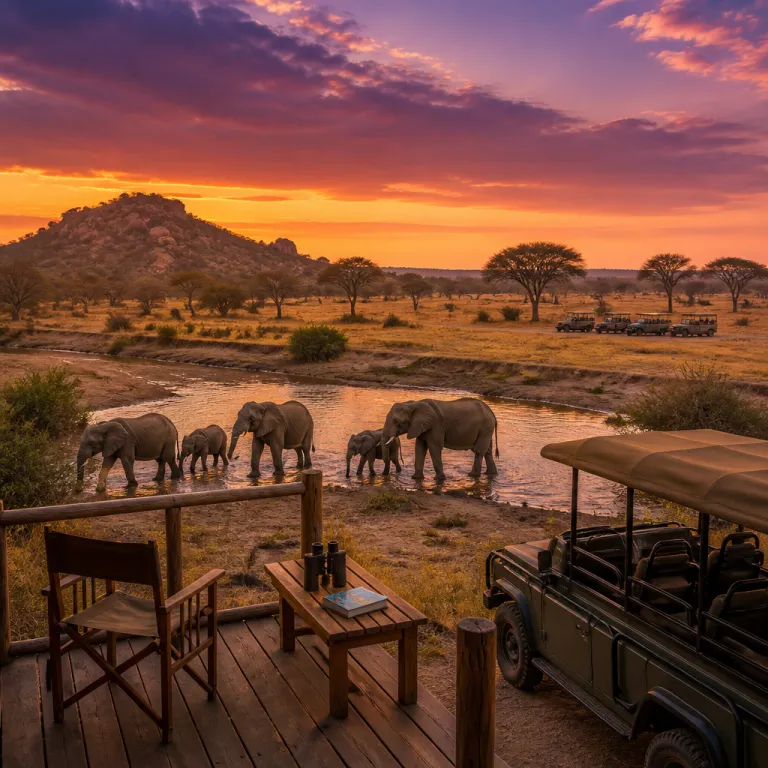
How Zambia’s safari model shapes your stay and your spend
Zambia’s safari DNA is rooted in national park landscapes where walking, guiding and raw wildlife encounters come first. For a couple weighing a Zambia private concession vs national park safari, the real question is not only where you sleep, but how the rules of each area shape every hour of your stay. Think of your lodge choice as a lens on Africa rather than just a bed with a view.
The Zambian Government, through the Department of National Parks and Wildlife (formerly ZAWA), oversees 20 national parks and sets the framework for conservation fees, vehicle access and permitted activities, while private concession owners run neighbouring private reserves with tighter guest caps and more flexible operations. That structural difference explains why the average daily conservation levy for a national park stay is often quoted at around 50 USD per person in official fee schedules, while a night in a private concession or private reserve can reach roughly three times that once park fees, concession charges and community levies are added, as shown on many lodge rate sheets and concession fact summaries. For couples used to the self drive culture of South Africa or the lodge heavy model of Tanzania, Zambia’s blend of national parks and surrounding game management areas feels refreshingly guide led and deliberately low density.
Tourists often ask, “What are the main differences between national parks and private concessions in Zambia?” and the official answer from park authorities is clear: “National parks are government-managed with public access; private concessions are privately managed with restricted access and exclusive experiences.” That clarity matters when you compare a national park safari experience in South Luangwa’s central Mfuwe sector, where lodge reports and guiding logs show several vehicles can queue at a leopard sighting, with a stay in a neighbouring private concession where vehicle numbers and game drives are capped by design in the concession agreement. For a romantic trip, fewer vehicles and quieter game viewing areas often feel like a more meaningful luxury than a larger room or a deeper plunge pool.
Access rules, game drives and night drives that change the feel of your safari
Access is where the Zambia private concession vs national park safari debate becomes very real once you are in the vehicle. In most national parks, including South Luangwa National Park and Lower Zambezi National Park, guides must stick to established tracks under Department of National Parks and Wildlife regulations, which protects fragile areas but can limit how close you approach elusive wildlife. In private concessions and some game management areas, off road access is usually allowed for significant sightings under strict guiding protocols, turning a standard game drive into something far more responsive and intimate.
Regulations around night drives also differ sharply between national parks and private concessions, and that has a direct impact on your safari experience as a couple. Official guidance from park authorities states without ambiguity: “Can I drive off-road in Zambia's national parks? No, off-road driving is typically prohibited in national parks but allowed in private concessions.” In practice, many Zambian national parks allow night drives only with licensed operators and in specific zones, while private reserves and concession conservancies around the park edges often build their entire activities programme around after dark exploration, from spotlight game drives to quietly waiting at waterholes for shy species.
If you have previously stayed in a private game reserve near Kruger National Park or in Sabi Sands in South Africa, you will recognise the feeling of following a lion’s tracks off the main road and settling in with just one other vehicle, as described in many lodge field reports. Zambia’s private concessions and private reserves echo that flexibility, but with a stronger emphasis on walking and canoeing, and with fewer fences between the park and surrounding areas. For couples who like to pair a river based safari with a refined river cruise, combining a Lower Zambezi lodge with a few nights on a Zambezi vessel, and then adding a separate Chobe River cruise in Botswana, creates a layered Africa travel narrative that feels both classic and quietly contemporary without conflating the two river systems.
Vehicle density, GMA middle ground and where the premium really shows
Vehicle density is the most tangible way to feel the Zambia private concession vs national park safari difference once the first leopard is found. In South Luangwa’s central Mfuwe area inside the national park, it is common, according to seasonal guiding statistics and lodge sighting logs, to see five to eight vehicles at a prime sighting during peak months, which can feel busy if you are seeking a romantic, low key safari experience. Shift to the Nsefu sector or to lodges in the adjacent game management area and the number of vehicles drops dramatically, often to one to three per sighting, even though you are still effectively in the same wider wildlife system.
This GMA middle ground is where Zambia quietly excels for couples who want national park level game without the price tag of the most exclusive private concessions. Camps in the Chiawa GMA opposite Lower Zambezi National Park, or those strung along the Luangwa River outside the park boundary, often have access to both national park drives and more flexible activities in the surrounding area, including night drives and seasonal walking. You benefit from lower vehicle numbers than in the busiest national park sectors, some exclusive access to quieter areas and a softer price point than a fully private reserve that markets itself as ultra exclusive.
At the very top end, private concessions and private reserves in Zambia may offer exclusive use options, where your party has a whole camp, guide équipe and vehicle fleet to yourselves, which changes the rhythm of your days entirely. For couples considering this level of privacy, it is worth reading a detailed guide on what exclusive use booking actually gets you in Zambia’s private reserves, and checking lodge concession pages or fact sheets, so you understand whether the premium is paying for genuine seclusion or simply a label. On myzambiastay.com, we look closely at how each lodge structures its activities, how many vehicles share a sighting and how honestly they communicate the balance between national park access and private concession privileges.
Conservation funding, community impact and how your lodge bill is divided
Behind every Zambia private concession vs national park safari choice sits a quieter question: where does your money actually go once you have paid the invoice. In a government run national park, a portion of your nightly rate and park fees flows directly to the Zambian Government and the Department of National Parks and Wildlife, supporting anti poaching patrols, road maintenance and core conservation work as outlined in official fee schedules and annual reports. In private concessions and private reserves, concession fees and community levies are paid to landowners and local communities, with the best operators publishing clear data on how those funds are used in their annual impact reports and sustainability updates.
Average daily fees tell part of the story, with national park levies around 50 USD and private concession charges averaging about 150 USD per person in many published rate tables, but the structure behind those numbers matters more than the headline. Some private game reserves and concession conservancies invest heavily in local schools, healthcare and anti poaching units, while others focus on guest facing luxuries and outsource conservation to national parks next door. When you compare lodges, ask how much of the rate is ring fenced for wildlife protection, how many local staff are employed from surrounding areas and whether the lodge participates in joint patrols with national park rangers.
Couples from the United States or from Cape Town who are used to the polished narratives of Kruger National Park or Sabi Sands often find Zambia’s conservation story more understated but also more grounded in daily realities. Many Zambia lodges operate in partnership with conservation organizations and local tour operators, blending national park access with private concession leases to create contiguous wildlife reserves that function as a single ecological area. For instance, several Lower Zambezi and South Luangwa camps publish annual conservation and community reports that detail anti poaching funding, school bursaries and clinic support, giving you a concrete sense of how your stay underpins long term protection and local livelihoods.
Designing a first Zambia itinerary for couples: national park first or private concession
For a first time couple planning a Zambia private concession vs national park safari, the smartest approach is often to combine both models in a single trip. Start with a few nights in a classic national park lodge inside South Luangwa or Lower Zambezi, where you can feel the rhythm of Zambia’s original walking safari culture and understand how a national park operates under Department of National Parks and Wildlife rules. Then move to a smaller camp in a neighbouring private concession or GMA, where the same wildlife flows across invisible boundaries but the rules around activities and drives become more flexible.
This sequencing gives you a clear sense of what the premium is buying in terms of access, privacy and guiding, rather than just a more elaborate room or a longer wine list. In the national parks, you will appreciate the structure, the sense of shared public land and the classic game drive routine, while in private concessions you will feel the difference when your guide quietly turns off the main track to follow fresh tracks or extends a night drive because a leopard has just started to hunt. For many couples, that contrast becomes the most memorable part of the safari experience, and it informs how they plan future Africa travel across other regions.
Do not overlook the role of pre and post safari stops either, especially if you are flying in from the United States and want to soften the jet lag with a city or river stay. A night or two at a refined lodge near Victoria Falls, chosen with the help of an essential facts about Victoria Falls for luxury travellers in Zambia guide, can frame your safari with a sense of drama and context. From there, connecting flights into the national parks or private reserves are straightforward, and your lodge or travel planner can coordinate transfers so that every area, from park core to private concession, feels like part of a single, coherent journey.
FAQ
Is a private concession in Zambia worth the higher cost for first time visitors
For many first time visitors, starting with a mix of national park and private concession nights offers the best value. The national parks provide a strong baseline of wildlife and classic game drives, while a few nights in a private concession add lower vehicle density, more flexible activities and often better access to night drives. If your budget allows only one premium element, prioritise the camp with the strongest guiding and the lowest vehicle numbers rather than the most elaborate room.
How do national park rules in Zambia affect game drives and activities
National park regulations in Zambia typically restrict vehicles to established tracks and limit off road driving, which protects sensitive areas and reduces erosion. Night drives are usually allowed only with licensed operators and within specific zones, so you should always book through a reputable lodge or travel company. Walking safaris inside national parks require qualified guides and armed scouts, which ensures safety but can make schedules slightly less flexible than in some private concessions.
What are the main advantages of staying in a private concession or private reserve
Private concessions and private reserves usually cap vehicle numbers, allow more flexible off road access for key sightings and build their activities around extended game drives, night drives and tailored walking. This creates a quieter, more exclusive atmosphere, which many couples find ideal for a romantic safari experience. The trade off is a higher nightly rate, so it is important to confirm exactly how many vehicles share sightings and what specific access rights your lodge holds.
How does my lodge bill support conservation and local communities in Zambia
In national parks, a portion of your nightly rate and park fees goes to the Zambian Government and the Department of National Parks and Wildlife, funding anti poaching, infrastructure and core conservation work. In private concessions, concession fees and community levies are paid to landowners and local communities, and some operators also support conservation organizations directly. When comparing lodges, ask for clear information on how much of your payment is allocated to wildlife protection, community projects and staff training.
Should I combine Zambia with other Africa travel destinations like South Africa or Tanzania
Many couples pair a Zambia safari with a city or coastal stay in Cape Town or with a different style of game reserve in South Africa or Tanzania. Zambia offers a more guide led, walking focused model than many national parks elsewhere in Africa, so it contrasts well with self drive areas such as Kruger National Park or private game reserves like Sabi Sands. When planning multi country Africa travel, allow enough time in each area to adjust to different park rules, guiding styles and wildlife densities, rather than rushing through several parks in quick succession.
National park vs private concession in Zambia at a glance
Access and activities: National parks follow Department of National Parks and Wildlife rules with driving on set tracks and regulated walking; private concessions generally allow more flexible off road access, longer drives and tailored walking or canoeing.
Night drives: In national parks, night drives are restricted to licensed operators and designated zones; in private concessions, after dark drives and hides are often central to the activity schedule.
Average fees and levies: Published fee schedules and lodge rate sheets typically show conservation levies of about 50 USD per person per day in national parks and combined park, concession and community charges of roughly 150 USD per person per day in private concessions, though exact figures vary by area and season.
Vehicle density: Busy national park hubs such as Mfuwe in South Luangwa can record five to eight vehicles at a major sighting in peak months, while neighbouring GMAs and private concessions often limit sightings to one to three vehicles through concession agreements and lodge protocols.