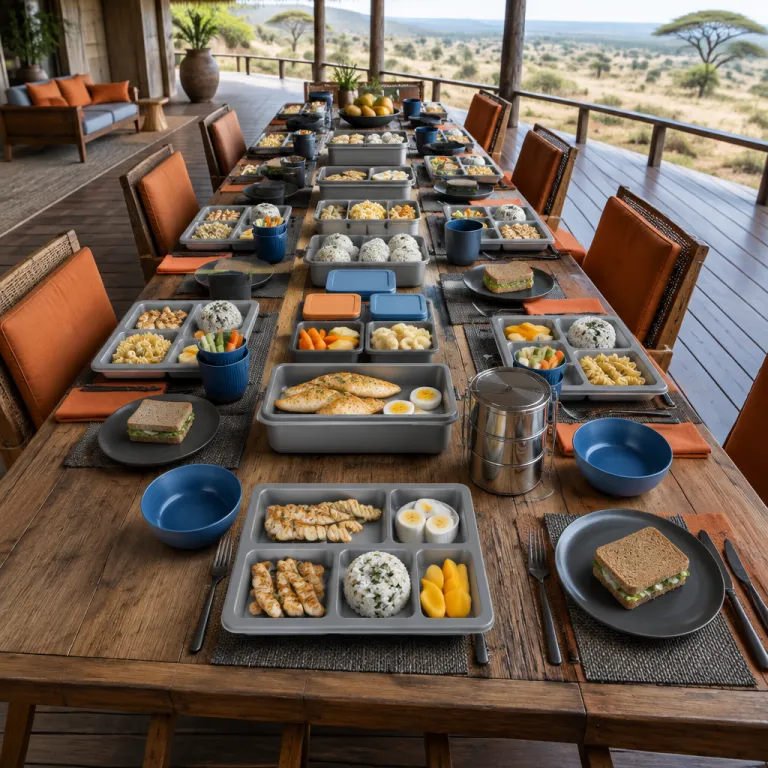
Why Zambia works for family dining on safari
Parents often worry more about food than wildlife when planning a family safari in Zambia. In practice, most luxury camps and every serious lodge in southern Africa now treat feeding children as a core part of the experience, not an afterthought hidden behind fine dining language. For a multi generational family holiday, that shift matters as much as the game drives or the walking safaris.
Across Zambia, from south Luangwa to the lower Zambezi, chefs understand that kids arrive tired from a long trip through Africa and need familiar plates first, adventure later. You will see menus that quietly balance grilled chicken, pasta and burgers with lighter takes on local dishes, so younger children and older children can move at their own pace. The best family friendly properties also separate adult tasting menus from flexible family safari options, which keeps everyone relaxed at the same shared table.
Location shapes what ends up on your plate as much as the chef. Camps inside a national park rely on scheduled supply runs, while a lodge closer to Livingstone or victoria falls can restock more often and offer wider choices for families. When you read glossy brochures about elevated cuisine on safaris in southern Africa, remember that the most successful family safaris are built on simple, reliable food that children actually eat, served at times that work around wildlife activities.
How bush kitchens really handle children’s meals
In the bush, the kitchen is usually small, but the attitude to feeding kids is expansive. Most camp teams will quietly ask about your children’s preferences at check in, then adapt each meal during your stay, which is why advance communication before a family safari in Zambia is so valuable. When you pair south Luangwa with the lower Zambezi on one itinerary, you will notice how each camp refines its own version of the same family friendly playbook.
At many riverside lodges along the zambezi river, chefs keep a running list of what each child actually finished, then tweak portions and seasoning for the next meal. That level of attention is especially helpful for young children who are still adjusting to jet lag and long game drives in a new national park. Older children often graduate quickly from plain grilled fish to trying bream with lemon, or from basic pasta to a mild curry, once they feel the kitchen is a safe space rather than a daily adventure test.
Breakfast is usually the most flexible service for families on safari in Africa. Camps in south Luangwa often offer a quick pre drive snack for kids, then a second, more relaxed spread back at camp when the wildlife activities pause. If you are planning a two park Zambia itinerary for families, look for properties that explicitly mention staggered breakfast and early dinners for kids, as these details matter more than any marketing line about gourmet cuisine during a trip with children.
Nshima, gardens and gentle introductions to Zambian food
One of the quiet joys of a family safari in Zambia is watching children engage with local food on their own terms. Nshima, the soft maize porridge that anchors most Zambian meals, is an ideal entry point because it feels familiar to kids who know polenta or mashed potatoes, yet it opens a door into the country’s culinary culture. Many families find that once kids accept nshima with a mild tomato relish, they become more curious about the rest of the plate.
Several camps in south Luangwa and along the lower Zambezi now run small kitchen gardens, which turn vegetables from abstract side dishes into something children helped pick. A guide or gardener will often walk kids through the beds between wildlife activities, letting younger children pull carrots or smell herbs before those same ingredients appear at the family dining table. This simple ritual makes the food story as memorable as the safari itself, especially for kids who might otherwise resist anything green.
When comparing a camp inside a national park with a property in a private concession, pay attention to how each one talks about its garden and sourcing. A private concession often has more space for a house garden and more control over delivery schedules, which can translate into fresher salads and fruit for families. For parents planning a friendly safari focused on food as well as wildlife, these behind the scenes details matter more than whether the lodge restaurant has white tablecloths.
Timing, packed meals and eating around the game drives
Safari days run on wildlife time, not school schedules, so the rhythm of meals can feel unfamiliar at first. With children in the mix, the key is to treat the food plan as carefully as you treat the game drives, because hunger can derail even the most spectacular family safari. Good camps in Zambia will ask about your preferred timings and then quietly adjust the standard routine for your family.
Early mornings usually start with a light snack before heading out into the national park, then a fuller breakfast back at camp or as a bush picnic. When you have younger children, ask the lodge to pack extra fruit, plain rolls and simple biscuits, rather than only rich pastries, so blood sugar stays steady during long wildlife sightings. For older children, a slightly later brunch after the drive, followed by a proper afternoon tea, often works better than three rigid meals, especially in the heat of south Luangwa or the lower Zambezi.
Packed lunches become essential on full day safaris or when you combine game drives with activities such as gentle water rafting near victoria falls. Families should request clear labelling on each box, especially if there are allergies or strong dislikes, and confirm that cold items will stay chilled in the vehicle. When you plan a family holiday that includes both a riverside lodge and a property near victoria falls, ask each team how they handle packed meals for kids, because logistics differ between a remote camp and a more accessible house style property in the south of the country.
Allergies, fussy eaters and choosing the right lodge
Managing allergies or very selective appetites on safari in Africa requires more planning than a city break, but it is entirely possible with the right lodge. The most reliable properties in Zambia will ask detailed questions about dietary restrictions weeks before arrival, then confirm again at check in, because resupply during safaris can take days. Parents should send a clear written summary of each child’s needs, including what has worked well at home, so the camp équipe can prepare.
When choosing between different lodges for family safaris, look beyond generic “family friendly” labels and read how they describe children’s dining specifically. A property that mentions early dinners for kids, flexible menus and the option of a private table is usually better equipped for young children and older children with strong preferences. If a camp offers a private house or family suite, ask whether that space includes a small fridge for snacks, as this can transform the mood during an afternoon rest between wildlife activities.
Location again plays a role in how confidently a lodge can handle complex diets. A camp near victoria falls or along the chongwe river on the zambezi river has easier access to specialist ingredients than a fly in property deep inside a national park in the south of Zambia. Families who want to combine a friendly safari with time in south Africa or elsewhere in southern Africa should coordinate dietary notes across all operators, so every team along the trip understands the same non negotiable rules for the kids.
Balancing adult dining expectations with real family needs
Luxury marketing often leans heavily on tasting menus and wine pairings, yet the reality of zambia safari food for children and family dining is more nuanced. Parents may dream of long candlelit dinners by the zambezi river, but young children usually need something faster, simpler and earlier, especially after a full day of adventure. The most successful family safari stays are those where adults adjust expectations slightly while lodges stretch their service model to meet families halfway.
Many high end camps now offer parallel experiences, with a shorter children’s dinner served before sunset and a more elaborate adult menu later, sometimes at a private table near the main fire. This arrangement lets kids eat familiar food, then head to bed in the tent or house suite with a monitor, while parents enjoy a slower meal without worrying about restless kids. Older children who want to join the main dinner can usually do so, with the kitchen quietly adapting portions and spice levels so they feel part of the grown up conversation without being overwhelmed.
For families who care as much about wellness as wildlife, properties near victoria falls are starting to frame their food offering around lighter, seasonal dishes that still work for children. One wellness focused lodge near the falls positions itself as an alternative to rushed day trip culture by emphasising slow meals, flexible timings and thoughtful menus for families. When you plan your next trip through Africa, prioritise lodges that talk concretely about how they feed children, not just how they plate their tasting menus for adults on safaris in southern Africa.
FAQ
Should I tell the lodge about my children’s food preferences before we arrive ?
Yes, you should always brief the lodge in advance about your children’s food preferences, allergies and any strong dislikes. Remote camps in Zambia plan supplies days ahead, so detailed information lets the kitchen order suitable ingredients and design flexible menus. A short written summary sent before your trip is far more effective than a quick conversation at check in.
Can lodges in Zambia handle serious food allergies for kids ?
Many luxury lodges in Zambia can handle serious allergies, but they need clear information and sometimes a medical note. Ask specific questions about kitchen protocols, separate preparation areas and how they manage packed meals during game drives. If the answers feel vague, choose a different camp that demonstrates more rigorous procedures.
Will my children be expected to eat spicy or unfamiliar food on safari ?
No child is forced to eat spicy or unfamiliar dishes on safari in Zambia. Most camps offer simple options such as grilled chicken, pasta, rice and vegetables alongside local food like nshima. Once children feel secure with the basics, many choose to try Zambian flavours at their own pace.
How are meal times adjusted for young children on game drives ?
Lodges usually offer an early, simple dinner for young children before the main adult service. Breakfast can be split into a quick pre drive snack and a fuller meal later, depending on the wildlife schedule. If your kids tire easily, ask for shorter drives and slightly earlier meal times when you arrive.
What should I pack to support my children’s eating on safari ?
Bring a small supply of familiar snacks that travel well, such as plain crackers or cereal bars, especially for younger children. These help bridge gaps between meals during long transfers or unexpected delays. Always declare any food at borders and respect lodge guidelines about not leaving snacks in tents because of wildlife.