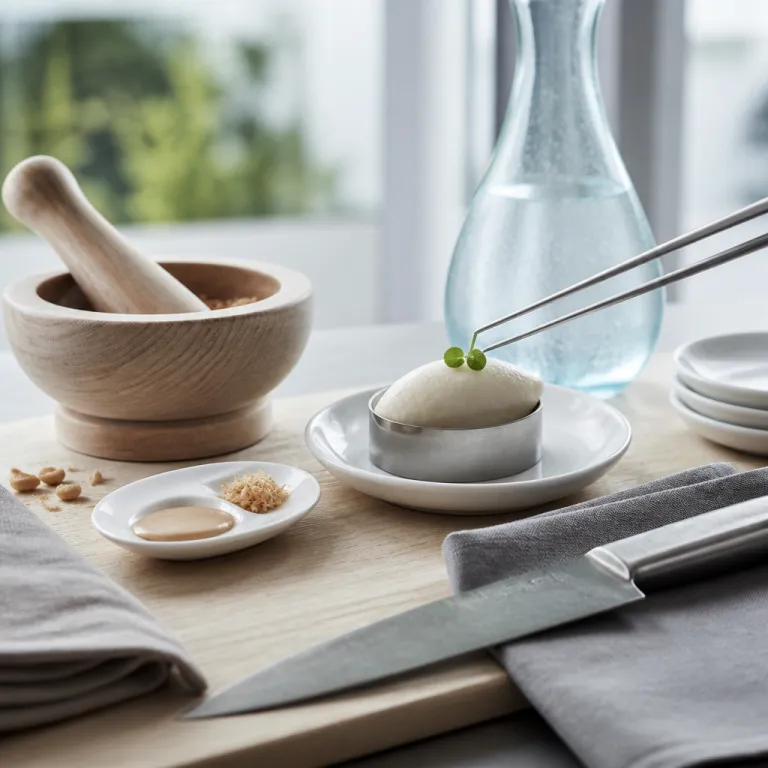
From safari buffet to tasting menu: why Livingstone matters
Luxury travelers arriving in Zambia usually expect polished safari lodge buffets and international plates. In Livingstone, a new wave of zambia culinary ambition is quietly reshaping what fine dining can mean for the country, and it starts to redefine expectations for every future dining experience you will book. This shift turns a standard victoria falls stopover into a fully fledged zambia fine dining livingstone culinary experience that can stand beside leading gastronomic cities.
Across Zambia, safari lodge kitchens have long focused on reliable comfort food, while the real depth of traditional Zambian cuisine stayed in family homes and local markets. In Livingstone Zambia, chefs are now bringing that traditional Zambian knowledge into elevated restaurant settings, using the zambezi river, fertile riverbanks and nearby farms as their pantry. For business leisure travelers used to south africa’s polished gastronomy, this new restaurant Livingstone scene offers something rarer, because it is rooted in local food stories rather than imported trends.
The result is a cluster of dining experiences that finally match the drama of the falls and the zambezi. A guest can move from a refined tasting menu at a sungani restaurant table to a nostalgic railcar dinner on the Livingstone Express, then to riverside plates at Elephant Cafe, and never repeat the same expression of Zambian food twice. For anyone planning where to book a stay, the promise is clear ; Livingstone is now the country’s most compelling intersection of safari, tourism and serious cuisine.
Chef Sungani Phiri and the rise of a Zambian tasting menu
Chef Sungani Phiri is the quiet architect behind the most ambitious zambia fine dining livingstone culinary experience currently on offer. At Sungani Restaurant in Livingstone, he runs an intimate 22 seat room built around a 12 course tasting menu that treats Zambian food with the same precision usually reserved for European classics. This is not safari lodge comfort cooking ; it is a structured dining journey that asks guests to taste Zambia ingredient by ingredient.
Where many chefs in Zambia lean on generic international cuisine, chef Sungani works almost exclusively with local produce, traditional Zambian techniques and the flavours of the zambezi corridor. Nshima, the maize staple of Zambian cuisine, might appear as a delicate crisp or a cloud light dumpling, while ifisashi becomes a refined spinach and groundnut velouté poured tableside by the chef. Each plate feels like a conversation between traditional recipes and contemporary culinary technique, and the tasting menu format allows that story to unfold with intent.
For travelers used to scanning restaurant reviews before they book, this approach stands out because it offers a clear sense of place on every menu page. The zambia culinary narrative here is not about novelty for its own sake, but about giving traditional Zambian dishes the framing they deserve in a fine dining context. For a deeper look at how lodge kitchens across the country are evolving beyond the safari buffet, the long form guide on how Zambia’s lodge kitchens are building a culinary identity provides useful context for planning a food focused itinerary.
Reimagining nshima, ifisashi and kapenta for the white tablecloth
What makes this zambia fine dining livingstone culinary experience genuinely distinctive is how familiar Zambian food is reworked without losing its soul. Nshima, usually served in generous family style portions, might arrive as a tiny grilled cake beside river fish, or as a fermented maize custard anchoring a course built around seasonal vegetables. The effect is to keep the traditional Zambian flavours intact while adjusting texture, plating and portion for a multi course dining experience.
Ifisashi, the classic combination of greens and groundnuts, becomes a study in contrasts on the tasting menu at Sungani Restaurant. One course may feature a silky groundnut sauce under charred leaves, while another uses crisped greens and roasted nuts to add structure to slow cooked meat from farms near Livingstone Zambia. Even kapenta, the small dried fish beloved across Zambia, can appear as a salty crumble over soft polenta like nshima, turning a humble pantry staple into a fine dining garnish that still tastes unmistakably local.
For guests who usually encounter these dishes only in casual restaurant Livingstone venues, the shift in context is striking. It signals that Zambian cuisine is ready to share space with global tasting menus, not as a curiosity but as a fully formed culinary language. Travelers researching gourmet dining experiences on luxury hotel booking platforms can explore a broader overview of such elevated menus in the dedicated guide to gourmet dining experiences on luxury and premium hotel booking websites in Zambia, which situates Sungani among other serious kitchens.
Building a Livingstone itinerary: beyond the lodge dining room
A well planned stay in Livingstone can now weave together several distinct expressions of Zambian cuisine in a single trip. Start with a night at Sungani Restaurant, where chef Sungani’s tasting menu anchors your understanding of how local ingredients behave in a fine dining setting. Then contrast that controlled dining room energy with the theatrical movement of the Royal Livingstone Express, a restored steam train serving a five course menu as it rolls through the bush toward the zambezi.
The Livingstone Express experience is less about intricate plating and more about atmosphere, yet it still contributes to the broader zambia culinary narrative. You sit in wood paneled cars, watching the zambezi river landscape slide past, while a succession of courses nods to both European railway tradition and Zambian food staples. It is a dining experience that pairs particularly well with a stay at the Royal Livingstone, where guests can step from riverside lawns straight onto the platform before the train departs.
Another evening might be reserved for Elephant Cafe, set on the zambezi riverbank upstream from the falls, where rescued elephants share the property with a kitchen focused on hyper local ingredients. Here, tasting menus lean into foraged herbs, river fish and seasonal produce, offering a different angle on traditional Zambian flavours than the more urban Sungani approach. For travelers comparing options from Lusaka Livingstone connections or from south africa, this trio of restaurant Livingstone experiences makes a compelling case for extending a business trip into a full food focused safari.
How Livingstone’s food scene elevates a Victoria Falls stay
Many travelers still treat Livingstone as a quick gateway to victoria falls, but the maturing restaurant scene now rewards a slower pace. The falls and the zambezi remain the headline attractions, yet the emerging zambia fine dining livingstone culinary experience adds a second narrative thread to any itinerary. You can raft the zambezi river by day, then sit down to a tasting menu that interprets that same river through its fish, its herbs and its farming communities.
Staying at a safari lodge near Livingstone or at a riverfront hotel such as the Royal Livingstone allows you to balance classic tourism activities with serious cuisine. Morning game drives or helicopter flights over the falls can be followed by lunches that highlight local vegetables, traditional Zambian relishes and carefully handled Zambian food staples. Even guests arriving from south africa, where fine dining is well established, often comment that Livingstone’s best menus feel more closely tied to place than many urban restaurants.
For those planning where to book, the curated overview of refined stays and riverfront elegance near the falls on Livingstone Zambia refined stays and riverfront elegance is a useful starting point. Pairing those properties with targeted restaurant reservations at Sungani, Elephant Cafe and the Livingstone Express creates a coherent, high end dining experience that runs alongside your safari schedule. The result is a trip where Zambian cuisine is not a side note to the falls, but a central reason to be in this corner of Zambia at all.
Practical booking tips for culinary focused travelers
Securing the best of the zambia fine dining livingstone culinary experience requires a little planning, especially for business travelers extending short trips. Sungani Restaurant’s 22 seats and structured tasting menu format mean that reservations should be made as soon as you book flights or confirm your safari lodge. The same applies to the Royal Livingstone Express and Elephant Cafe, both of which operate with limited capacity and fixed departures tied to the zambezi river and falls conditions.
When reviewing restaurant reviews for Livingstone, focus less on star ratings and more on how guests describe the handling of Zambian food and service rhythm. A strong dining experience in this context is one where traditional Zambian ingredients are clearly explained, menus are flexible enough to accommodate dietary needs and the pacing allows you to enjoy each course without rushing back to your hotel. For multi night stays, consider alternating intense tasting menus with simpler restaurant Livingstone lunches built around grilled fish, seasonal vegetables and light interpretations of nshima.
Travelers connecting through Lusaka Livingstone routes or arriving from south africa often underestimate how quickly top venues fill during peak tourism periods. Using a specialist platform such as MyZambiaStay to coordinate both hotel and restaurant bookings can help align your safari schedule with key culinary reservations in Zambia. In a landscape where the zambezi, victoria falls and serious cuisine now share equal billing, that extra layer of planning is what turns a good trip into a genuinely memorable dining experience.
FAQ
Is Livingstone a good base for food focused travel in Zambia ?
Livingstone is currently the strongest base for food focused travel in Zambia because it combines serious restaurants with easy access to victoria falls and the zambezi river. You can experience Sungani Restaurant’s tasting menu, the Royal Livingstone Express and Elephant Cafe within a compact radius. This concentration of venues makes it easier to build a coherent itinerary than in more dispersed safari regions.
How far in advance should I book fine dining restaurants in Livingstone ?
For peak tourism periods, plan to book key restaurants at least several weeks in advance. Sungani Restaurant, the Royal Livingstone Express and Elephant Cafe all operate with limited seating and fixed services. Aligning these reservations with your safari lodge schedule early helps avoid last minute compromises.
Can traditional Zambian dishes be adapted for dietary restrictions ?
Many traditional Zambian dishes can be adapted for common dietary needs without losing their character. Chefs in leading Livingstone venues are used to working around gluten free, vegetarian or pescatarian preferences. Inform the restaurant when you book, so the tasting menu or à la carte options can be adjusted thoughtfully.
How does Livingstone’s dining compare with major cities in South Africa ?
Livingstone does not match the sheer volume of restaurants found in major cities in south africa, but its best kitchens offer a stronger sense of place. Menus at Sungani Restaurant and Elephant Cafe are built around Zambian ingredients and traditional techniques rather than global trends. For many travelers, that specificity makes the overall dining experience feel more memorable.
Is it possible to combine safari, victoria falls and fine dining in one short trip ?
It is entirely feasible to combine safari, victoria falls and fine dining in a four to five night itinerary centered on Livingstone. Staying at a safari lodge or a riverfront hotel such as the Royal Livingstone allows you to schedule game drives and falls visits around evening tasting menus. With careful booking, you can experience at least two or three of the city’s leading culinary venues in that timeframe.