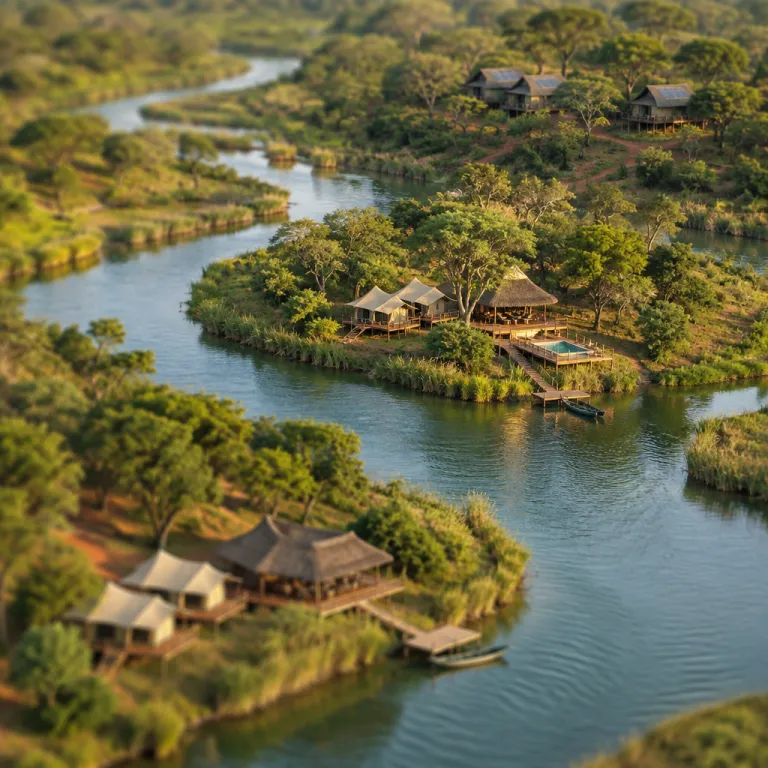
Why a zambia slow safari long stay executive itinerary works
For executives used to back to back meetings, a zambia slow safari long stay executive itinerary feels almost radical. Staying longer in each camp in Zambia shifts your trip from a checklist of parks to a layered safari experience where guides learn your pace, your interests and your threshold for risk on walking safaris. Over several days and nights in one national park, game viewing improves as your guide tracks the same lion pride, reads the Luangwa River sand for fresh leopard prints and times each game drive to your preferences.
Short stays promise variety, yet one night in each camp often delivers only repeated safety briefings, rushed game drives and shallow impressions of Africa. By contrast, three nights or more in a South Luangwa camp or a Lower Zambezi lodge allow you to explore different habitats each day, from ebony groves to open floodplains, without repacking your bags after every night. This slower style of Zambia safari travel also reduces the carbon and time cost of frequent bush flights, which matters when your holiday window is tight and your work calendar unforgiving.
On myzambiastay.com we see a clear pattern among business leisure guests who extend a work trip in Zambia or even Kenya and Malawi. Those who choose a zambia slow safari long stay executive itinerary in one or two national parks consistently report better game viewing, calmer travel days and a deeper connection with the Luangwa National Valley or the Zambezi River corridor. They still enjoy the drama of Victoria Falls or a lake retreat in the Zambia Malawi region, but they anchor their holiday around long stays in a few carefully chosen camps rather than chasing every park on the map.
From five camps to three: how ten nights change on safari
Consider two executives with ten nights in Zambia and the same budget for a premium safari experience. The first books a hyperactive itinerary with five camps in three national parks, flying almost every day between South Luangwa, Lower Zambezi and the Victoria Falls area, while the second chooses a zambia slow safari long stay executive itinerary with just three camps and longer stays. Both guests enjoy Africa, yet their trips feel dramatically different by the final night.
In the five camp version, each one or two night stop means another orientation, another unpacking, another rushed game drive squeezed between transfers and check in formalities. Game viewing becomes opportunistic rather than intentional, because guides have only a single day to understand what excites you, whether that is a technical birding walk along the Luangwa River or a late return night drive in search of hunting hyena. By contrast, the three camp, ten night model might look like three nights at Flatdogs Camp in South Luangwa, four nights in a more remote Luangwa National bush camp and three nights in Lower Zambezi on the Zambezi River, with full board hospitality throughout.
Across those longer stays, your guide can plan a progression of activities, from gentle game drives on the first day to more adventurous walking safaris once your comfort level is clear. You gain time for unhurried breakfasts in an executive room overlooking the river, for a quiet hour between afternoon tea and the evening game drive and for a final holiday drink under the stars without packing anxiety. For readers wanting more detail on how different lodges structure these extended stays, our overview of Zambia safari lodge experiences for discerning travellers breaks down which properties shine with three nights or more.
Where longer stays pay off: South Luangwa, Lower Zambezi and lake retreats
Some landscapes reward patience more than others, and Zambia’s hidden gems are built for a zambia slow safari long stay executive itinerary. South Luangwa, often called the home of walking safaris, reveals its character over several days as you move between vehicle based game drives, morning walks and quiet afternoons watching elephants cross the Luangwa River from your camp deck. Staying three nights or more in one South Luangwa camp, whether that is Flatdogs Camp near the main gate or a smaller Luangwa National bush camp upstream, allows you to explore different sectors of the park without losing time to transfers.
Lower Zambezi works the same way, but with water as the main stage for your safari experience. A single night barely introduces the rhythm of canoe trips, boat based game viewing and sandbank sundowners along the Zambezi River, while four or five nights let you alternate game drives with catch and release fishing or gentle walking safaris on the islands. Executives often pair this with a final stay near Victoria Falls, where a property such as the wellness focused lodge highlighted in our feature on why a wellness first lodge challenges Livingstone’s day trip identity offers a restorative end to a high focus work and travel schedule.
For those drawn to water beyond rivers, the Zambia Malawi corridor opens up lake based stays that complement a core Zambia safari. After a week of intense game viewing in a national park, flying to Lake Malawi for three nights at an island retreat such as Blue Zebra Island Lodge shifts the mood from game drive urgency to barefoot holiday ease. Here, the executive room concept becomes a lake facing suite with full board service, where your only decision each day might be whether to snorkel before or after a long lunch, while still reflecting on the lions and leopards of your earlier trip through South Luangwa and Lower Zambezi.
How guide relationships deepen over days and nights
What transforms a good Zambia safari into a great one is rarely the thread count of the sheets in your executive room. It is the relationship with your guide, and that relationship only matures when your zambia slow safari long stay executive itinerary gives you several days together in the same camp and the same national park. On the first day, your guide is reading you as carefully as they read the tracks along the Luangwa River or the sandbanks of the Lower Zambezi.
By the second or third night, they know whether you prefer long, quiet game drives focused on behaviour or shorter outings with a strong photographic brief. They learn if you are comfortable stepping out on walking safaris in big game country or if you would rather explore from the safety of the vehicle, and they adjust each game drive accordingly. Over multiple nights in South Luangwa or Lower Zambezi, this shared understanding means you waste less time on generic routes and more time following specific leopards, wild dog packs or seasonal birding hotspots that match your interests.
Longer stays also allow you to experience the full daily rhythm of a camp, from pre dawn coffee around the fire to late night stories at the bar after dinner on full board. You notice how the team handles a sudden storm over the Luangwa National floodplain or a last minute request for a private family safari vehicle, and that builds trust in a way a one night stop never can. When you then move to a river lodge near Victoria Falls such as Tongabezi Lodge on the Zambezi River, you carry that same appreciation for guide led nuance into a different style of Africa travel, where sunset cruises replace game drives but the value of continuity remains.
Balancing variety and depth for business leisure travellers
There are moments when a broader sweep across Africa makes sense, especially if your work already brings you through Kenya, Zambia and Malawi on the same trip. In that case, you might structure a zambia slow safari long stay executive itinerary within each country, choosing one core national park per region rather than stacking multiple parks in every destination. For example, you could spend three nights in a Kenyan conservancy, then fly to Zambia for four or five nights split between South Luangwa and Lower Zambezi, before ending with three nights on Lake Malawi at Blue Zebra or another island lodge.
This approach still delivers variety in landscapes, from the Luangwa National woodlands to the open Zambezi River channels and the clear waters of Malawi, yet it respects the diminishing returns of constant movement. Each segment of the holiday becomes its own mini long stay, with enough days and nights for meaningful game viewing, unhurried game drives and at least one walking safari or boat based safari experience. You avoid the fatigue of daily flights and transfers, which matters when you return to an intense work schedule immediately after your Africa travel.
For families, a similar logic applies, because children settle better when a family safari offers several nights in each camp rather than a new bed every day. Parents appreciate the predictability of full board dining and the comfort of a familiar executive room or family suite, while guides tailor activities over time to different ages and energy levels. Whether you are planning a solo executive escape, a couple’s holiday or a multi generational family safari, the core principle holds : fewer camps, longer stays and a clear focus on one or two standout parks in Zambia will almost always beat a frantic race through every lodge on the map.
FAQ
Is ten nights enough for a Zambia safari focused on long stays ?
Ten nights is an excellent duration for a Zambia safari built around a zambia slow safari long stay executive itinerary. It allows you to split time between South Luangwa and Lower Zambezi, with at least three nights in each camp for strong game viewing and a mix of game drives and walking safaris. If you add Victoria Falls or Lake Malawi, consider extending by two or three nights to avoid rushing transfers.
How many camps should I book for a ten night executive trip ?
For most business leisure travellers, three camps over ten nights in Zambia strike the best balance between variety and depth. A typical pattern is three nights at a gateway camp such as Flatdogs Camp in South Luangwa, four nights at a more remote Luangwa National or Lower Zambezi property and three nights near Victoria Falls or on Lake Malawi. This structure reduces travel fatigue while still offering diverse safari experience options.
Does staying longer in one park really improve game viewing ?
Staying longer in a single national park almost always improves game viewing, because guides can track specific animals over several days. In South Luangwa, for example, your guide might follow the same leopard along the Luangwa River across multiple game drives, increasing your chances of a memorable sighting. The same applies in Lower Zambezi, where extended stays allow you to explore different Zambezi River channels and floodplains at varied times of day and night.
Can I combine Zambia with Malawi or Kenya without rushing ?
It is possible to combine Zambia with Malawi or Kenya while still honouring a slow safari philosophy, as long as you limit the number of parks. Many travellers choose one key area in Kenya, then focus on South Luangwa and Lower Zambezi in Zambia before ending with three nights on Lake Malawi at a lodge such as Blue Zebra. The goal is to keep at least three nights in each camp so that every segment of the trip feels like a complete holiday rather than a brief stopover.
What room type suits an executive traveller on safari ?
Executives often prefer an executive room or suite that offers a quiet workspace, reliable connectivity where possible and strong sound insulation for rest between game drives. In Zambia’s premium camps, these rooms usually come with full board service, private decks overlooking the Luangwa River or Zambezi River and easy access to vehicles for early morning departures. When booking through a specialist platform such as myzambiastay.com, specify your work needs so the team can match you with properties that balance safari immersion and professional comfort.