Why Lolelunga private reserve matters for Zambia luxury safaris
Lolelunga private reserve sits 30 kilometres northwest of Kafue National Park, a self contained 30,000 hectare experiment in zambia rewilding lolelunga black rhino reintroduction. This fenced reserve in zambia is not a sideshow to the national parks but a deliberate conservation laboratory, where every animal release and every patrol is designed to rebuild a complete african ecosystem. For travellers used to open boundaries and endless horizons, the idea of a protected and fully enclosed habitat can feel counterintuitive at first.
The owners position this private reserve as a Big Five photographic destination, but the deeper story is the long term conservation project that underpins every game drive. Lolelunga private teams have already brought in disease free buffalo, roan antelope, sable antelope and sitatunga, while a carefully managed cheetah population now hunts across former cattle land that once echoed with gunshots rather than bird calls. When you book a luxury lodge here, you are not just paying for polished service and a curated lodge collection ; you are underwriting a protected area where 54 game scouts patrol a 2.4 kilometre fence line day and night.
For a solo explorer planning a zambia luxury itinerary, the question is simple yet nuanced. How does a stay inside a fenced reserve compare with time in classic national parks such as Kafue or South Luangwa, where human wildlife encounters unfold across open landscapes shaped by the Kafue river and the Luangwa river floodplains ? The answer lies in understanding how this reserve reintroduces key species, how it manages wildlife conflict with nearby local communities, and how your tourism spend flows back into the community that lives beyond the fence.
Fenced rewilding versus open national parks: what changes for guests
Traditional Zambian safaris lean on open national parks, where lions and other animals move freely between unfenced concessions and neighbouring community land. In Lolelunga private reserve, the philosophy is different ; the entire habitat is enclosed, creating a controlled landscape where conservation teams can manage every rewilding step, from the first release of a captive bred antelope to the tracking of a newly arrived predator. For guests, that means a higher probability of seeing certain species, but also a more explicit conversation about why fences sometimes protect rather than fragment.
On a morning drive here, your guide might explain how the reserve reintroduces lions in phases, using bomas and soft release techniques to reduce human wildlife conflict once the cats start ranging near the boundary. This lions groundbreaking work is not about theatrics ; it is about building a stable pride structure before the reserve reintroduces them fully into the wider system, and that process is monitored with collars, aerial surveys and on the ground spoor checks. The same careful choreography applies to the cheetah population, whose movements are tracked to ensure they adapt to the new terrain and do not over pressure recovering prey species.
Compare that with a stay in Kafue’s unfenced heart, perhaps at a camp accessed via the Kafue river or the Lunga river, where lions may vanish for days and sightings depend on patience rather than probability. If you are weighing a classic Kafue camp such as those featured in this guide to whole camp safaris in Kafue, against time in Lolelunga, think of it as choosing between two complementary conservation models rather than rival products. One offers the raw unpredictability of open national parks, while the other offers a concentrated, groundbreaking rewilding project where every sighting carries the weight of a species comeback story.
Inside the zambia rewilding lolelunga black rhino reintroduction plan
The headline that draws many conservation minded travellers is simple ; zambia rewilding lolelunga black rhino reintroduction is on the horizon, aiming to restore a subspecies lost from this landscape for decades. Bringing back Diceros bicornis minor is not a symbolic gesture but a complex, multi year project that touches every part of the reserve, from fence integrity to water points along seasonal channels that eventually feed the Lunga river. For guests, understanding that complexity turns a standard game drive into a masterclass in how modern african conservation actually works.
Veterinary teams will oversee the capture of black rhinos from secure populations, manage sedation, and coordinate air and road transport into this protected reserve, where quarantine bomas allow close monitoring before any release into the wider habitat. Anti poaching units, already patrolling the fence to protect existing wildlife, will scale up operations, integrating canine units, aerial surveillance and intelligence networks with local communities to reduce poaching risk beyond the boundary. When the first rhino steps out under the spotlight of a thermal camera, the moment will represent not just a species return but a statement about what long term, privately funded conservation can achieve in zambia.
For travellers choosing between different corners of the country, this is where Lolelunga diverges from classic South Luangwa or Lower Zambezi experiences. You might spend a week walking with top guides in South Luangwa, using resources like this overview of refined lodges and wild experiences, then add three nights at a Lolelunga luxury lodge to witness a reserve that is actively preparing for rhino reintroduction. The combination gives you both the open, guide led drama of national parks and the focused intensity of a private reserve where every hoofprint is part of a carefully scripted comeback.
Guest experience: from cheetah cubs to lions and beyond
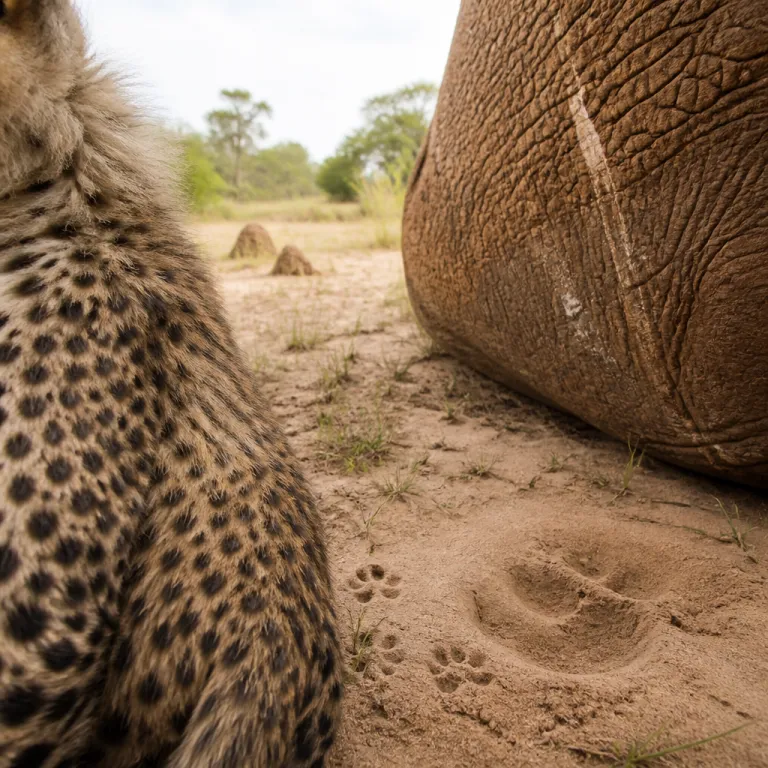
On the ground, the guest experience at Lolelunga private reserve feels different from a classic valley based safari in South Luangwa or the floodplains of the Lower Zambezi. Game drives here often start with a briefing on the latest data from collared cheetahs, updates on the cheetah population’s hunting success, and notes on how newly released animals are integrating with established residents. When your guide turns off the engine near a thicket and you watch cheetah cubs tumbling over each other, you are not just ticking a sighting ; you are witnessing the frontline of a groundbreaking rewilding experiment.
As lions return, the reserve reintroduces them in carefully managed stages, and guests may be invited to observe from a distance as a pride tests the boundaries of its new territory. These lions groundbreaking movements are tracked in real time, and your guide can show you how their range overlaps with that of other species, from buffalo to smaller antelope, creating a layered picture of predator prey dynamics inside a protected habitat. Night drives add another dimension, revealing how nocturnal animals adapt to a landscape where human wildlife interactions are tightly controlled inside the fence but still influenced by the rhythms of nearby community land.
Accommodation wise, expect a compact lodge collection rather than a crowded strip of camps, with each luxury lodge designed to keep guest numbers low and impact minimal. Service is polished but not fussy, and the focus stays firmly on wildlife, whether you are watching elephants at a waterhole or listening to lions calling beyond the floodlit perimeter. If you want to balance this intensity with a more classic safari circuit, consider pairing Lolelunga with a stay in South Luangwa, using resources like this guide to exclusive valley safaris to shape your route.
Community impact, ethics and the future of fenced conservation in Zambia
No serious conversation about zambia rewilding lolelunga black rhino reintroduction can ignore the people who live beyond the fence. Lolelunga sits within a wider mosaic of local communities, former cattle land and other protected areas, and the reserve’s long term success depends on whether tourism revenue and conservation jobs translate into tangible benefits for those neighbours. When a private reserve invests in schools, healthcare and employment, it turns local communities into partners rather than bystanders in the conservation project.
Fenced models inevitably raise ethical questions, especially around captive bred animals and the risk of creating wildlife islands disconnected from broader ecosystems. The team here argues that in a landscape where poaching pressure and human wildlife conflict remain high, a fully fenced reserve can act as a secure nucleus for species recovery, eventually feeding animals into larger national parks once numbers stabilise. For guests, the key is to ask direct questions about governance, transparency and how the reserve works with each surrounding community, rather than accepting glossy marketing at face value.
Looking ahead, Lolelunga is unlikely to replace open national parks such as Kafue or South Luangwa ; instead, it offers a parallel track where intensive management accelerates species recovery that might otherwise take generations. If the cheetah population continues to thrive, if the reserve reintroduces lions successfully, and if black rhinos establish a breeding nucleus here, Lolelunga could become a template for other private conservation projects in zambia. For the luxury traveller, that means your choice of where to sleep and which lodge collection to support is not just a matter of comfort but a quiet vote on what the future of african wildlife protection should look like.
FAQ
Is Lolelunga private reserve suitable for a first time safari in Zambia ?
Lolelunga private reserve works well for first time visitors who want high wildlife densities and a strong conservation focus, but it feels more controlled than open national parks. You are likely to see key species such as cheetahs, lions and buffalo within a few days, thanks to intensive monitoring and the fenced habitat. Many travellers pair Lolelunga with a more traditional park like South Luangwa or Lower Zambezi to experience both models of Zambian safari.
How does staying at Lolelunga support local communities and conservation ?
Revenue from each luxury lodge stay contributes to funding game scouts, veterinary work and fence maintenance, all of which underpin the zambia rewilding lolelunga black rhino reintroduction project. The reserve also creates jobs for local communities in guiding, hospitality and anti poaching support, and many staff come from nearby villages. When booking, ask your operator for specific examples of community projects and long term commitments so you can choose properties that align with your values.
Will I definitely see black rhinos during a visit to Lolelunga ?
Black rhino reintroduction at Lolelunga is a carefully staged process, and sightings will depend on when you travel and how the animals adapt after release. Even once rhinos are established, the reserve will prioritise their safety, which may mean limited viewing or strict protocols around vehicle numbers. If rhino viewing is a priority, discuss timing and expectations with your travel planner, and consider combining Lolelunga with other destinations where rhinos are already well established.
How does Lolelunga compare with South Luangwa for solo travellers ?
South Luangwa offers open landscapes, walking safaris and a wider choice of camps, which can be ideal for solo travellers who enjoy social campfires and varied activities. Lolelunga, by contrast, offers a more focused conservation experience inside a single fenced reserve, with fewer properties and a strong emphasis on rewilding narratives. Many solo guests choose to start in South Luangwa for its classic safari feel, then end at Lolelunga for a deep dive into species recovery and conservation science.
Is a fenced reserve less authentic than an open national park safari ?
Authenticity depends on what you value most ; open national parks offer unbounded landscapes and more unpredictable sightings, while fenced reserves like Lolelunga provide concentrated wildlife and a clear conservation mission. At Lolelunga, every lion track and cheetah sighting is tied to a measurable rewilding outcome, which many travellers find deeply meaningful. The most balanced itineraries treat both models as complementary, using each to understand a different facet of modern african conservation.