Why zambia traditional ceremony travel belongs on a luxury safari map
Zambia traditional ceremony travel asks you to rethink the classic safari arc. Instead of flying in for lions then out again, you time your journey so a major traditional ceremony anchors the itinerary. The reward is a rare alignment of wildlife, culture and place that feels genuinely privileged.
Across the country more than four thousand registered cultural heritage elements sit in rural areas, and many are expressed through traditional ceremonies that still shape how people live. Kuomboka in Western Province, Nc'wala in Eastern Province and Likumbi Lya Mize in North Western Province are not staged shows but working rituals, each ceremony rooted in a specific tribe, king or chief and a particular landscape. Building a trip around them means accepting that dates shift with rains and harvests, yet that flexibility is exactly what filters out the tour bus crowd.
The Kuomboka ceremony takes place near Mongu in Western Province when the Lozi people move their king from the Barotse floodplain to higher ground. Nc'wala is held by the Ngoni people near Chipata in Eastern Province as a first fruits traditional ceremony, while Likumbi Lya Mize animates the Zambezi district in the north western reaches with masked dancers and initiation rites for boys. Together these ceremonies turn Zambia’s ritual calendar into a country wide thread, linking western, eastern and northern province regions that most safari guests only ever fly over.
Kuomboka: floodplain drama and where to stay in western province
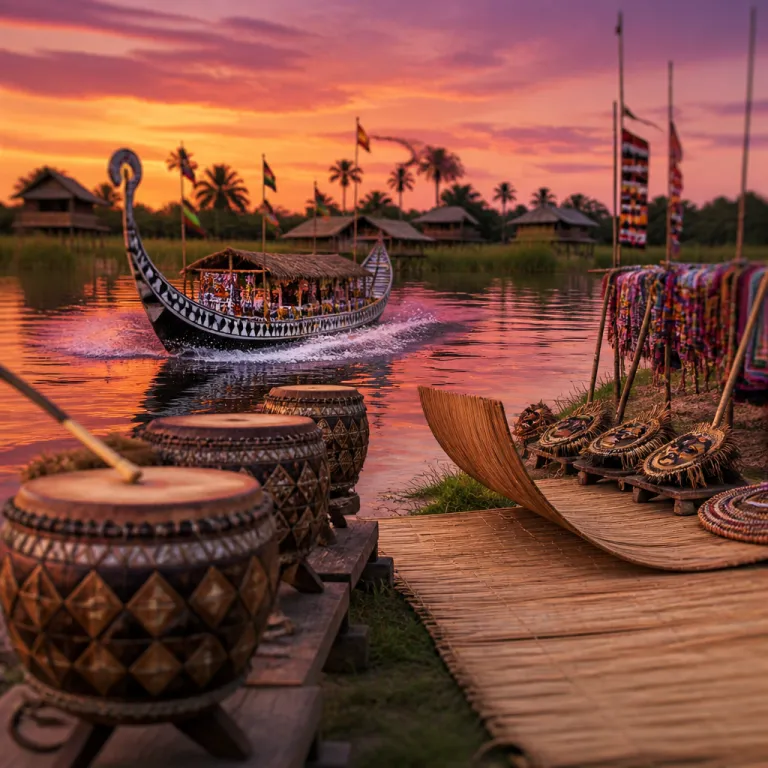
Kuomboka is the ceremony that most clearly shows how water still dictates power in Zambia. The Lozi people wait for the Zambezi to swell, then the king boards a black and white royal barge and the whole procession crosses the floodplain toward Lealui in Western Province. Official guidance from the National Heritage Conservation Commission and the Zambia Tourism Agency frames it simply by asking, "What is the Kuomboka ceremony?" and answering, "A Lozi people's annual event marking the king's move to higher ground during floods," with dates and protocols confirmed locally by the Barotse Royal Establishment.
For luxury travelers, the logistics of cultural ceremony travel here start in Lusaka, with a scheduled flight to Mongu or a charter that continues toward Liuwa Plain or the upper Zambezi. The smart move is to pair a flood season stay at a high end camp on the western floodplains with a night or two in or near Mongu town, using a trusted local operator who understands how the ceremony takes place and can secure access to safe viewing areas. Expect crowds of several thousand people, intense drumming, traditional attire and a long day in the sun, so your hotel choice matters more than usual.
Properties in Western Province are still limited at the premium end, but a handful of lodges along the river now quietly market ceremony-focused itineraries as a seasonal highlight. Ask whether they can arrange a private vehicle, a bilingual guide who knows Lozi protocol and a shaded base near the main place where the royal barge lands. If you are combining Kuomboka with a longer safari, consider timing it with early dry season openings in Kafue or Liuwa and use a specialist planner who understands which camps are worth booking for the coming dry season, drawing on recent field reports and up to date opening schedules. In most years you will also need a simple local permit, organised through your operator with the Barotse Royal Establishment or district council, plus 4x4 transfers or a light aircraft charter if water levels are high.
Nc'wala and Likumbi Lya Mize: eastern and north western routes that reward effort
Nc'wala, held by the Ngoni people near Chipata, is the most accessible of the three ceremonies for travelers already planning South Luangwa. The traditional ceremony takes place in a rural village setting in Eastern Province, where the paramount chief tastes the first harvest and warriors in traditional dress perform spear dances. Official material from the Nc'wala organising committee and the Zambia Tourism Agency frames it clearly by asking, "What does the Nc'wala ceremony celebrate?" with the answer, "The Ngoni people's thanksgiving for the first harvest," and notes that exact dates are confirmed annually by the committee.
Luxury travelers usually overnight in Chipata or at an upscale lodge on the road toward South Luangwa, then drive to the ceremony grounds early with a vetted guide. This is where Zambia’s cultural travel scene intersects neatly with classic safari, because you can spend several days in a high end camp inside the park, then step out for Nc'wala as a focused cultural day trip. Compared with the choreographed cultural village visits that many lodges offer, Nc'wala is louder, less predictable and far more demanding of respectful behaviour, especially around photography and nyau style masked dancers who may appear among the crowds.
Likumbi Lya Mize in the Zambezi district of North Western Province is harder to reach but arguably the most visually arresting. Official guidance from the Likumbi Lya Mize Traditional Ceremony Committee answers the question, "When is the Likumbi Lya Mize held?" with, "Annually in August by the Luvale people," and stresses that final dates are confirmed locally each year. The ceremony takes place near the Mize royal place, where Luvale boys emerge from initiation camps and masked figures known as makishi dance through the village. There are no true luxury hotels in the district yet, so serious travelers either charter in and use the best available guesthouses or work with operators who can combine a visit with fly in safaris to Liuwa, Kafue or even the southern province reaches of the Zambezi. In practice that means booking a light aircraft through a local charter company, confirming ceremony dates with the district administration or chiefdom office, and allowing buffer days in case the schedule shifts.
Designing an itinerary around traditional ceremonies and hidden hotel gems
To turn a series of traditional ceremonies into a coherent journey, you need to think in provinces rather than parks. One elegant arc runs from Livingstone in Southern Province up through central province and on to Eastern Province, linking Victoria Falls, cultural experiences with Chief Mukuni and his people, and finally Nc'wala near Chipata. Another traces the Zambezi northward, starting with lower river lodges, then Kuomboka in Western Province, and finally Likumbi Lya Mize in the north western corridor.
Livingstone is positioning itself as a cultural tourism hub, and several premium hotels now offer curated visits to nearby villages where a different kind of traditional ceremony takes place on a smaller scale. Here you can meet Leya people, learn how a local chief manages land and attend performances that echo nyau and other regional styles without the intensity of the big national ceremonies. When you stay at a high calibre property, ask specifically whether they can arrange time with Chief Mukuni's community rather than a generic cultural village show, and pair that with slower activities like photographic hides and night drives, using guides who understand how to balance wildlife viewing with cultural immersion.
From Lusaka, you can fan out toward Luapula Province, Northern Province or Central Province if you want to add lesser known traditional ceremonies to your map, though infrastructure is thinner and luxury hotels are fewer. This is where immersive cultural travel intersects with the rise of Zambian owned lodges, which increasingly act as cultural anchors as much as safari bases. When choosing where to stay, look for properties whose owners are present on site and whose teams can speak about their own tribe, their own village and the ceremonies that shaped their childhoods, a trend often cited by Zambia’s tourism planners as a marker of authenticity and long term community benefit.
Etiquette, photography and why operators rarely market these ceremonies
Attending a major traditional ceremony in Zambia is not like dropping into a staged dance show at a lodge. You are stepping into a living ritual where people are not performers but participants, and where the chief or king presiding over events commands real authority. That means any ceremony-led itinerary comes with a clear etiquette brief that your hotel or operator should walk you through in detail.
Photography is the most sensitive point, especially around initiation elements and nyau or makishi masks at Likumbi Lya Mize. In some areas you may be told not to photograph certain dancers, in others you will be asked to keep cameras down during prayers or when boys emerge from seclusion, and in all cases you should ask your guide before raising a lens. Dress codes lean conservative: shoulders covered, hemlines near the knee, neutral colours that do not compete with traditional attire, and a general avoidance of flashy jewellery that might distract from the ceremony itself.
Many international operators still hesitate to market Zambia’s traditional ceremonies because dates shift with rainfall and harvests, and because managing behaviour in crowds of tens of thousands of people is more complex than a controlled game drive. Yet Zambia's tourism bodies are increasingly clear that traditional ceremonies are central to the country's cultural identity and to its long term tourism strategy. As cultural tourism gains prominence at trade events and in national planning, expect more lodges in Western Province, Eastern Province and North Western Province to quietly integrate ceremony visits into bespoke itineraries rather than mass market packages. For travelers, the practical step is to raise the subject early, ask your planner which ceremonies they have actually attended, and request written confirmation of any permits, local contacts and official approvals arranged on your behalf.
From chewa kulamba to cross border culture: beyond the big three
Once you have anchored a trip around Kuomboka, Nc'wala or Likumbi Lya Mize, it becomes easier to see how wide the field of Zambia’s traditional ceremony travel really is. The Chewa people, whose homeland spans Mozambique, Zambia and Malawi, hold their own Kulamba ceremony that honours the Chewa king and draws chiefs from all three countries. This cross border traditional ceremony takes place near the frontier and shows how tribe, province and modern state boundaries intersect in complex ways.
Travelers sometimes confuse Kulamba Kubwalo, Chewa Kulamba and other regional ceremonies, so work with a planner who understands which event takes place where and how it fits into your route. If you are already moving between Eastern Province and neighbouring countries, you can sometimes align dates to witness both Nc'wala and a Kulamba traditional gathering in a single extended journey. That kind of itinerary demands patience, because ceremonies may fall in February, July or August and are confirmed late, but it also yields the deepest sense of how people in village communities still orient their year around ritual rather than safari seasons.
For now, luxury level accommodation near many Chewa ceremonies remains limited, so you may base yourself in a premium lodge in Eastern Province or even Southern Province and then fly or drive in for the day. As Zambia continues to catalogue thousands of cultural heritage elements, expect more small, high quality properties in Luapula Province, Northern Province and Central Province to position themselves as gateways to local ceremonies rather than just stopovers. When that happens, culturally focused journeys will no longer be a niche pursuit but a central thread in how discerning travelers experience the country.
FAQ
What is the Kuomboka ceremony and how do I attend it?
Kuomboka is a Lozi traditional ceremony in Western Province where the king moves from the flooded Barotse floodplain to higher ground by royal barge. It usually takes place between March and April, but exact dates depend on water levels and are confirmed locally by the Barotse Royal Establishment in consultation with provincial authorities. To attend, base yourself in Mongu or at an upper Zambezi lodge, work with a reputable operator for permits and transport, and expect a full day in large crowds with limited shade.
When is Likumbi Lya Mize held and where can I stay nearby?
Likumbi Lya Mize is held annually in August by the Luvale people near Zambezi town in North Western Province, with specific dates announced each year by the Likumbi Lya Mize Traditional Ceremony Committee. Accommodation in the district is simple, so most high end travelers either charter in for the day or combine basic local stays with time at luxury camps in Liuwa Plain or Kafue. Booking early and using a specialist familiar with the ceremony logistics is essential, because demand from domestic visitors is high and small guesthouses fill quickly.
What does the Nc'wala ceremony celebrate and is it suitable for solo travelers?
Nc'wala is a Ngoni thanksgiving ceremony for the first harvest, held near Chipata in Eastern Province and overseen by the Nc'wala organising committee. Solo travelers can attend safely if they join a guided trip arranged through a reputable lodge or tour operator, as crowds are dense and local protocol matters. Many South Luangwa camps can organise a day excursion that includes transport, a cultural briefing and a structured viewing area.
How do traditional ceremonies compare with lodge based cultural village visits?
Lodge based cultural village visits are usually short, curated experiences with a small group, clear choreography and easy photography rules. Major traditional ceremonies like Kuomboka, Nc'wala and Likumbi Lya Mize are large scale community events where rituals are not adjusted for visitors, and where chiefs, kings and elders lead proceedings. They offer deeper cultural insight but demand more preparation, flexibility and respect from travelers.
Do any luxury lodges in Zambia include ceremonies in their packages?
A few lodges in Western Province, Eastern Province and around Livingstone quietly build ceremony visits into bespoke itineraries for repeat guests. These are rarely advertised widely, because dates can shift and capacity at the ceremony grounds is limited. If experiencing Zambia’s traditional ceremonies is a priority, raise it early with your planner or lodge and be prepared to adjust your safari dates around the event calendar.