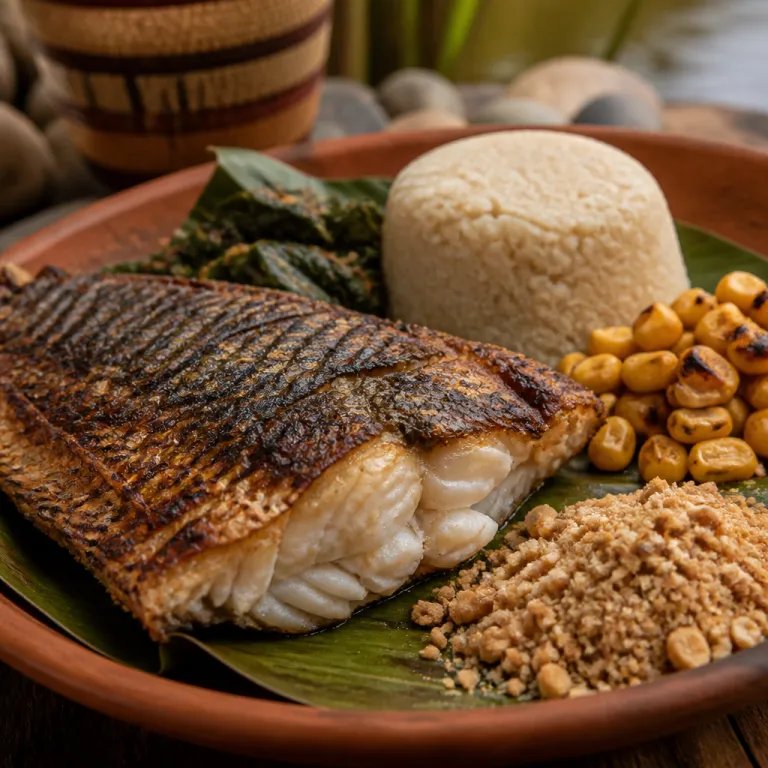
Why zambia safari food local cuisine lodge experiences matter now
On a serious Zambia safari, food is no longer an afterthought. Luxury camps and every high end safari lodge now treat the dining experience as part of the wildlife narrative, not a separate hotel function. For solo travelers comparing lodges across different regions of Zambia, the question is increasingly which property tells the most compelling story on the plate.
The shift is clear from South Luangwa to Lower Zambezi, where chefs are moving away from anonymous buffets toward menus rooted in traditional Zambian cuisine and seasonal ingredients. This evolution in safari food culture mirrors a broader African trend, but Zambia’s walking safaris and intimate camp scale give chefs unusual freedom to experiment. You feel it when a guide pauses a game drive in a national park clearing and your coffee is paired with warm maize fritters rather than imported biscuits, or when a brunch table appears beside the river with smoky bream, tomato relish and still warm bread.
For a solo explorer, this culinary focus changes how you choose a safari lodge or river lodge in Zambia. Instead of asking only about the nearest national park or game reserve, you now weigh which lodges champion regional Zambian food and which still lean on generic international menus. That is where understanding the new generation of food focused lodge programmes becomes as important as knowing which park offers the best leopard sightings, especially if you want meals that reflect the landscape you are travelling through.
From imported templates to zambian cuisine on the plate
For years, many safari lodges in Africa followed a European template, offering safe, familiar food after long days in the park. The new wave of safari properties in Zambia is different, building menus around local ingredients, traditional techniques and the specific river or national park landscape that surrounds each camp. This is where the phrase zambia safari food local cuisine lodge stops being a search term and starts becoming a real standard, with guests actively asking how often menus change and which dishes are genuinely Zambian.
Kaingu Safari Lodge on the Kafue River is a strong example, serving fresh, creative menus that rely heavily on locally sourced ingredients rather than flown in produce. Chundukwa River Lodge near Livingstone takes a more homestead approach, with home cooked meals that weave in Zambian food elements like seasonal greens, groundnut sauces and freshwater fish from the river. Chaminuka Luxury Lodge outside Lusaka closes the triangle, blending global recipes with ingredients grown or raised on its own estate to create a softer entry point into traditional Zambian flavours, from chilli spiked relishes to slow cooked village style stews.
For solo guests, these kitchens offer both comfort and education, especially when you sit at a shared table and the chef walks you through each dish. As one Chundukwa chef explains, “We start with what the river and garden give us, then build the menu around that, not the other way round.” In a 2023 internal guest feedback summary shared by the lodge, more than two thirds of respondents highlighted “local flavours” as a trip highlight, placing food alongside wildlife sightings. If you are curious about what a private chef can do with traditional Zambian ingredients beside the Zambezi River, read this detailed guide to a private chef dinner on the Zambezi from sundowners to dessert. Across these properties, the unifying thread is respect for Zambian cuisine and a willingness to let the surrounding park, river and village define what appears on your plate.
The bush gourmet movement: farm, river and village to table
Across Zambia’s national parks, a quiet bush gourmet movement is reshaping how safari food is sourced and served. Lodges are planting kitchen gardens, baking bread in wood fired ovens and designing menus around what the river and nearby communities can supply that week. This is not about rustic hardship; it is about elevating the dining experience so it feels as specific as a South Luangwa walking safari or a canoe glide along the Zambezi River, with each course linked to a farmer, fisher or forager you can name.
Royal Chundu on the upper Zambezi has become a reference point, positioning its Riverstead Experience as a way to connect farm, garden and village life with each guest’s meal. Green Safaris, which operates Tongabezi near Victoria Falls, Ila in Kafue and Sausage Tree in Lower Zambezi, shows how a multi camp portfolio can share a sourcing philosophy while keeping each restaurant distinct. One lodge might lean into river fish and wild greens, while another focuses on estate grown vegetables and slow cooked meat, yet all three treat local producers as partners rather than suppliers, often signing multi year agreements that give small growers predictable income.
For travelers planning a Zambia safari, this means the idea of local cuisine at a safari lodge now signals more than a token traditional dish on the final night. It often indicates real collaboration with farmers, community cooperatives and sometimes culinary schools, with chefs trained in both fine dining and traditional Zambian methods. The Zambia Tourism Agency’s 2022 Tourism Trends Update, for example, notes that over half of surveyed upmarket lodges reported “increased use of local food suppliers” as a strategic priority. To understand how seasons shape these menus, look at this analysis of how bush kitchens reset for the dry season’s best eating window, which explains why June plates in many camps feel especially focused and precise.
Where to eat: lodges and restaurants leading Zambia’s culinary identity
Choosing the best lodge for food in Zambia now requires the same care you give to selecting a park or guide. In Livingstone, the restaurant scene has grown beyond simple pre Victoria Falls stopovers, with several properties offering tasting menus that highlight indigenous ingredients in a fine dining format. This is where solo travelers can comfortably alternate between communal lodge dinners and evenings in the best restaurants in town, using taxis or lodge transfers to move between river and city, and comparing how each kitchen interprets the same core ingredients.
Within the parks, Kaingu Safari Lodge, Chundukwa River Lodge and Chaminuka Luxury Lodge consistently appear in conversations about authentic Zambian cuisine. They are joined by newer safari lodge operations in South Luangwa and Lower Zambezi that treat every meal as a curated dining experience, not just refueling between game drives. Some camps even reference regional influences from South Africa or Tanzania, but the strongest kitchens keep Zambian food at the centre of the plate, often listing the origin of key ingredients on the menu so guests can trace flavours back to specific communities.
Data from the Zambia Tourism Agency and Ministry of Tourism reports indicates that a growing majority of lodges now incorporate local ingredients into their menus, and internal guest surveys at several leading camps show a notable increase in satisfaction linked specifically to dining. Exact percentages vary by source and year, but the direction of travel is clear: a 2021 Ministry briefing on tourism product development, for instance, highlighted food and culture as “key differentiators” for high value visitors. That aligns with what we see on the ground when a camp chef explains why a certain relish only appears when a particular leaf is in season near the national park boundary. For a deeper look at how cultural visits and food intersect, this piece on when a lodge cultural visit becomes more than a tour stop shows how village kitchens and lodge menus increasingly speak to each other.
Solo at the table: how communal dining really works on safari
Many solo travelers worry less about the game reserve and more about the dinner table. Communal dining is still the norm at many safari lodges, with long tables set under the stars or beside the river, but the best properties now handle solo guests with far more nuance. You can usually request a separate table without feeling like you are breaking camp rules, especially at higher end river lodge and safari lodge operations, and some camps will proactively ask your preference on arrival.
Dietary needs are another key filter when choosing any food forward safari lodge in Zambia, particularly if you are vegetarian, halal or kosher. Serious camps now ask detailed questions before arrival, then adapt traditional Zambian dishes and broader Zambian cuisine to match your requirements without stripping away flavour. Some properties in South Luangwa and Lower Zambezi have built reputations for handling complex restrictions with the same care they give to game drive logistics, keeping separate preparation areas or sourcing certified products where necessary.
One practical tip: when you enquire, ask specifically how the chef handles Zambian food for guests with your dietary profile, and whether they can reference dishes like nshima, bream or vegetable relishes in that context. The official guidance from several leading lodges is clear on this point: "Which Zambian lodges offer authentic local cuisine?" and "How are Zambian lodges supporting local communities through their culinary offerings?" sit alongside "What traditional Zambian dishes can I expect at these lodges?" as core questions they now expect from informed guests. If a camp cannot answer with the same confidence they bring to talking about safari routes in a national park, it may not be the right fit for a food focused Zambia safari, especially if you are travelling alone and relying on the lodge for most of your meals.
FAQ
Which lodges in Zambia are best for authentic local cuisine?
Kaingu Safari Lodge, Chundukwa River Lodge and Chaminuka Luxury Lodge are consistently recognised for serving authentic Zambian food using local ingredients. Each lodge integrates traditional Zambian recipes into its menus while maintaining the comfort level expected from a premium safari lodge. When comparing options, ask how often their menus change with the seasons and what proportion of ingredients come from nearby farms, rivers or community suppliers, and request recent sample menus if possible.
How are Zambian lodges supporting local communities through food?
Many lodges now source vegetables, grains and meat from nearby farmers and community cooperatives rather than distant wholesalers. This approach keeps more of the Zambia safari spend within the local economy and encourages sustainable practices around each national park. Some properties also run training programmes that teach young chefs both fine dining techniques and traditional Zambian methods, strengthening the long term culinary workforce and creating pathways into stable hospitality careers.
What traditional Zambian dishes can I expect on safari?
Classic dishes include nshima, a maize staple served with various relishes, grilled or fried bream from rivers such as the Zambezi River and seasonal vegetable sides cooked with groundnuts or tomatoes. Many chefs now reinterpret these elements in lighter or more contemporary formats suitable for multi course dining. You might see a small portion of nshima alongside slow cooked beef one night, then a refined version of a village relish as part of a tasting menu the next, or a dessert that nods to local fruits and honey.
Is communal dining mandatory for solo travelers at Zambian lodges?
Communal tables remain common, especially in smaller camps inside or near a national park, but they are rarely mandatory. Most high end lodges will happily arrange a private table for solo guests, either slightly apart from the main group or in a different corner of the deck. When you book, simply state your preference and confirm whether the lodge can alternate between shared and private meals during your stay, so you can choose company or solitude from night to night.
How do lodges handle dietary restrictions such as vegetarian, halal or kosher?
Leading properties now treat dietary requirements as a core part of the dining experience rather than a last minute adjustment. They usually request detailed information before arrival and then adapt both international dishes and traditional Zambian recipes to suit, while still using local ingredients. If your needs are complex, choose a lodge with a strong culinary reputation and ask for sample menus that show how they have handled similar requests for past guests, including how they avoid cross contamination and which specialist products they can reliably source.