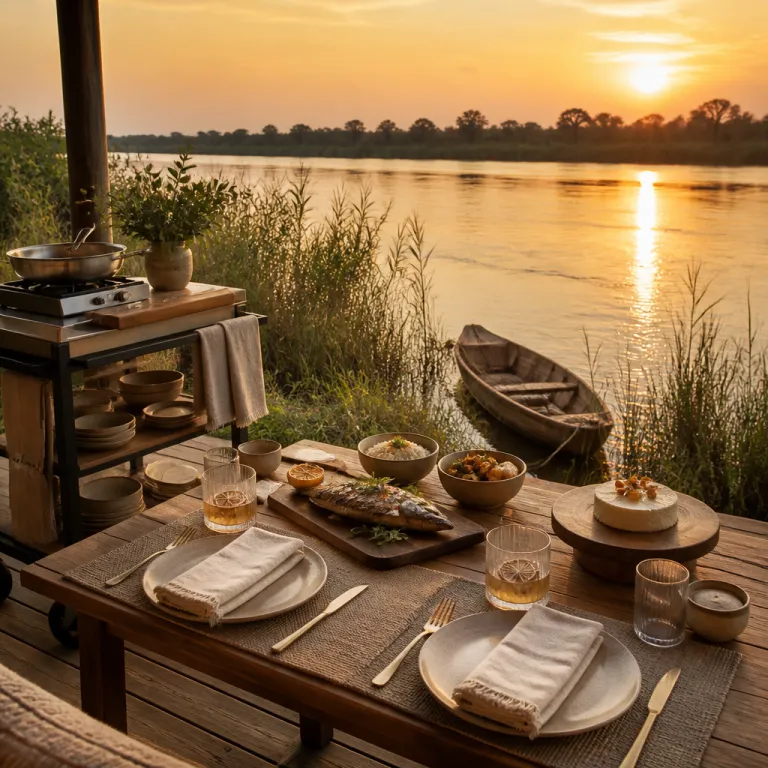
From boardroom to riverbank: setting up a private dinner safari on the Zambezi
Your private dinner safari on the Zambezi begins long before the first sundowner is poured. For business-leisure travelers flying into Lusaka or Livingstone after meetings, the logistics between airport transfers, a refined river lodge check-in, and the evening’s schedule will define how relaxed the night actually feels. A well-run Zambezi lodge will coordinate flights, road transfers, and river cruises so that guests arrive at the river with enough time to change, breathe, and absorb the first soft river views.
Most luxury properties along the Zambezi River treat a private chef dinner as a separate, pre-booked experience rather than a casual add-on. Expect your consultant or reservations team to ask about the size of your family or group, preferred timing for safaris and game drives, and whether you want the dinner to follow an afternoon on the water or a drive in a nearby national park. The more detail you share about your work schedule and desired pace, the better they can weave a bespoke riverside dinner into a wider pattern of activities that might include walking safaris, fishing or canoeing, or a quick helicopter flip over Victoria Falls.
On the ground, the river lodge food and beverage manager usually leads the planning, not a faceless central office. They will map out whether your table sits on a private deck at the main lodge, on a sandbank facing the Zambezi, or on a secluded island reached by boat, always balancing romance with safety and proximity to wildlife. As one Lower Zambezi manager puts it, “we start with the guest’s rhythm, then build the evening around that.” For executives traveling with family, many lodges offer family suites with separate sleeping areas and sometimes private plunge pools, allowing children to dine early at the pool while adults linger later at the riverside fire.
Behind the scenes: sourcing, chefs and what “local” really means
Once your date is locked, the quiet choreography behind a private dinner safari on the Zambezi begins in the kitchen and in the villages upstream. In Zambia’s Lower Zambezi region, properties such as Royal Zambezi Lodge and Chiawa Camp publicly describe working with farmers in the Chiawa Game Management Area to source vegetables, herbs, and free-range poultry, reducing cold chain stress on the river and keeping the experience genuinely rooted in place. When a lodge offers a “locally sourced” menu, it usually means a mix of produce from these small farms, line-caught river fish, and pantry staples brought in from Lusaka or Livingstone on scheduled supply runs, as outlined in typical lodge sustainability briefs and regional tourism board reports.
The chef leading your private Zambezi dinner is rarely a visiting showpiece; it is typically the same head chef who runs the main lodge kitchen, supported by a tight bush équipe. For special events, some properties bring in a private chef partner such as Miombo Gourmet, whose culinary expert prepares and serves gourmet meals using portable kitchen equipment and elegant tableware right on the riverbank. A typical outline from sample lodge fact sheets describes “a three-course meal, transfers, and personalized service” as the core inclusions, with optional upgrades such as premium wine pairings or extended sunset cruises.
Because the Zambezi national parks and surrounding conservation areas are remote, menu planning has to respect what travels well over rough roads and river crossings. Rich, slow-cooked meats, seasonal greens, and grilled bream from the Zambezi River handle the journey better than delicate pastries, while frozen desserts rely on carefully managed generators and freezers at the lodge. If you are staying near Victoria Falls or in Livingstone, supply chains are easier, but serious properties still lean on regional producers rather than flying in everything, which keeps the experience aligned with Zambia’s low-impact safari ethos and the seasonal shifts described in guides to how camps transform between June and September on resources such as dry season camp transformations.
The hour by hour flow: from sundowners to plated courses
On the evening itself, your private dinner safari on the Zambezi usually starts with a gentle transition from wildlife to wine. Many river lodge teams time the last hour of your afternoon game drives or river cruises so that you reach a sandbank or quiet channel just as the sky softens and the first lanterns flicker to life. The iconic Victoria glow on the horizon, if you are near Victoria Falls, or the silhouettes of distant escarpments in Lower Zambezi National Park, become the backdrop rather than the main act.
At around 18:00, you step off the vehicle or boat and walk to a perfectly laid table, often with a private deck feel even when it is on open sand. Staff greet guests by name, offer chilled towels, and place the first drink in your hand while the private chef checks final temperatures on grills and portable ovens. For executives extending a work trip, this is the moment the laptop finally closes; the only notifications will be the grunt of hippo in the river and the soft call of nightjars in the surrounding wildlife corridors.
Starters arrive around 19:00, often a refined take on local flavors such as smoked Zambezi River bream, pumpkin fritters, or grilled halloumi with garden herbs, plated with the same care you would expect in a city fine-dining restaurant. Over the next two hours, mains and dessert follow at an unhurried pace, with staff adjusting timing if your family wants to pause to watch elephants crossing or if a sudden gust of wind forces a quick lantern reshuffle. For travelers weighing whether a private riverside dinner justifies the extra cost over standard lodge dining, it helps to think in the same terms as the slow safari model explained in analyses of the business case for a three-night stay on platforms like Zambia’s slow safari model; the value lies in time, space, and attention, not only in the menu.
Wine, dietary needs and the real cost of going private
Wine service on a private dinner safari along the Zambezi has to respect both climate and logistics. Full-bodied reds and robust Rhône-style blends travel better in the heat than fragile old vintages, while crisp South African Chenin Blancs and Méthode Cap Classique bubbles handle ice-bucket life on the river with ease. Serious properties, including new openings with comprehensive wine cellars, curate lists that pair well with grilled meats, fresh river fish, and vegetarian dishes without trying to replicate a European grand cru line-up.
Dietary restrictions are handled with more care than many guests expect, but communication is everything. When you book your Zambezi lodge stay and request a private dinner safari, share detailed information about allergies, religious requirements, and preferences, and repeat it at check-in so the chef and service team can plan separate prep areas and alternative dishes. In remote settings such as Chobe National Park or the fringes of the Okavango system, substitutions rely on what is already in the pantry, so gluten-free or vegan menus work best when planned days rather than hours in advance, as most lodge pre-arrival forms and booking conditions quietly emphasize.
Cost is where expectations often need recalibrating, especially for business travelers used to corporate rates in city hotels with large pools and suites. A private riverside dinner with a dedicated team, transfers, and a three-course menu typically carries a per-person supplement on top of your lodge’s nightly rate, broadly in line with the average four-hour riverside experiences priced around high-end urban tasting menus. Recent sample tariffs from Zambezi lodges, rate cards, and tour operator brochures indicate supplements in the region of about US$80–US$150 per person depending on location and inclusions, and when you factor in the extra staff, boat fuel, portable kitchen equipment, and the opportunity cost of pulling the chef away from the main dining room, the premium becomes easier to understand, and many guests choose to schedule one such evening during a three- or four-night safari rather than every night.
Weather, wildlife and where to book it: Livingstone to Lower Zambezi
No private dinner safari on the Zambezi is complete without a plan for the elements and the animals that define this river. Thunderstorms can roll in fast, especially early and late in the season, so professional lodges always prepare a backup table under a thatched roof or on a covered private deck with wide river views. Wind can scatter petals and ash, so candles are often replaced by hurricane lamps, and staff keep a close eye on the Zambezi’s shifting channels to avoid sandbanks that might flood mid-service.
Wildlife proximity is part of the thrill, but it is tightly managed. Hippos and crocodiles own the Zambezi River shallows, so reputable river lodge teams position tables a safe distance from the waterline and always keep a guide on watch, especially when children or multi-generational family groups are present. In areas bordering Chobe National Park or near the confluence with the broader Zambezi–Chobe–Okavango corridor, elephants may wander past, and your guide will sometimes pause service to move guests closer to the vehicle or boat until the animals drift away.
For travelers choosing where to book, Livingstone and Victoria Falls offer easier access and dramatic views of the iconic Victoria spray, with properties such as Tongabezi running private island dinners that feel both royal and relaxed. Further upstream and into Lower Zambezi National Park, lodges like Royal Zambezi Lodge and Chiawa Camp specialise in immersive safaris that combine game drives, walking safaris, fishing, canoeing, and private riverbank dinners, while places previewed in reports such as private island lodge previews show how this style of dining is spreading across Zambia’s river systems. Wherever you choose, the most memorable private Zambezi dinner evenings are those where logistics, safety, and gastronomy align so seamlessly that you remember only the glow of lanterns, the taste of perfectly grilled bream, and the low rumble of the river in the dark.
FAQ
What is typically included in a private chef dinner on the Zambezi ?
Most private chef dinners on the Zambezi River include a three-course menu, return transfers by vehicle or boat from your Zambezi lodge or river lodge, and a dedicated service team at the riverside site. Some properties add extras such as a short sunset cruise, a private plunge-style firepit area, or a welcome drink on arrival. Beverages beyond the first drink are often charged separately, so confirm inclusions when you book and check the latest lodge fact sheet or rate card.
How far in advance should I book a private dinner safari on the Zambezi ?
For peak safari periods, it is wise to request your private dinner safari on the Zambezi at the same time you confirm your lodge booking. Lodges need time to schedule staff, secure the best river-view location, and plan menus around supply runs from Livingstone or Lusaka. Last-minute requests can sometimes be accommodated, but you will have less flexibility on dates and dietary requirements.
How many guests can attend a private riverside dinner ?
Capacity varies by property, but most Zambezi lodges can comfortably host intimate dinners for two as well as corporate or multi-family groups. For larger parties, the team may suggest using a broader sandbank or a lawn near the pool to maintain safety margins from the river while still preserving a wild safari atmosphere. Always share your final guest numbers early so the lodge can allocate enough guides and service staff.
Are private riverbank dinners suitable for children and families ?
Many lodges welcome families and can adapt a private dinner safari on the Zambezi to suit younger guests with earlier seating times, simpler menus, and nearby family suites for quick bedtimes. Safety briefings are stricter for children, with clear rules about staying close to adults and not approaching the water’s edge. If your children are very young, you may prefer a private deck dinner at the main lodge, where a pool fence and lighting make supervision easier.
What happens if the weather turns bad during the dinner ?
Professional safari lodges always prepare a weather contingency for private dinners on the Zambezi River. If storms threaten before departure, the team may move the setup to a covered terrace or indoor area with strong river views, keeping the same menu and private service. When a sudden change hits mid-meal, staff will calmly relocate guests and courses to the backup site, ensuring safety without rushing the overall experience.