Why October is often the best time for a Zambia safari
By October in Zambia, the bush has thinned and the last weeks of the dry season sharpen every sighting. This is the moment when shrinking water sources compress wildlife into narrow bands along rivers and lagoons, creating some of the best game viewing of the year for travellers who can handle the heat. For many repeat guests, this late dry season window quietly eclipses the cooler winter months and becomes their preferred time for a Zambia safari.
Across much of southern Africa, the dry season runs from about June to the first meaningful storms, and Zambia follows the same broad rhythm. From June to October, the land steadily loses water, but it is October when the remaining pools in South Luangwa and the Lower Zambezi become magnets for wildlife. If you visit Zambia in this period, every time a safari vehicle passes a pan can feel like a private documentary, with elephants, antelope and predators sharing the same narrow fringe of shade.
Predators work the edges of these water sources, and the lack of cover makes sightings clean and prolonged. Wild dogs, which can be elusive earlier in the year, often patrol the dusty tracks between the last pools, and small group vehicles can sit with them for long, unhurried sessions. In South Luangwa, for example, guides from camps such as Kaingo, Chinzombo or Tafika often focus drives around these remaining lagoons, which is why many professionals quietly call October the best time for serious safaris in Zambia.
There is a trade off, and you should be honest with yourselves about it. Daytime temperatures in the Luangwa Valley and the Lower Zambezi can push beyond 40 degrees Celsius, especially in the early afternoon, according to long term climate data from the Zambia Meteorological Department and regional weather services. If you want the most rewarding safari experience in this season, you will rise early, rest hard at midday, and lean into the long golden evenings when the heat finally bleeds away and animals return to the water.
Heat, rhythm and the lodges that handle October beautifully
The October heat is not a footnote in Zambia; it is the central fact that defines how you travel, rest and watch wildlife. In South Luangwa, bush camps along the Luangwa River often start drives before first light, when the air is still soft and lions are finishing the night’s work at the water. By late morning, guests are back in camp, and the focus shifts from game viewing to shade, ceiling fans and cold water within arm’s reach, with many properties offering light brunches and siestas until the afternoon activity.
Luxury properties that truly understand this time of year invest in the details that matter. Deep verandas, thatched main areas and well placed plunge pools mean you can watch elephants drift to the river without leaving the cool, and the best camps quietly refill your water bottle every time you set it down. Well regarded lodges such as Chiawa Camp and Sausage Tree Camp in the Lower Zambezi, or Time + Tide Chinzombo in South Luangwa, are known for this kind of thoughtful October hosting, and when you compare rates with July and August, you will often find that late dry season offers more competitive pricing for the same suites, even though the wildlife density is at its peak.
Some of the most atmospheric bush camps in South Luangwa close by the end of October, just ahead of the first storms that signal the rainy season. Seasonal properties like Luwi, Nsolo or Kuyenda typically operate from about May or June through late October, while others, especially in the central areas and along the main river, stay open into November, giving you a slightly longer window to enjoy this dry season finale. If a sleep out under the stars appeals, read this detailed look at a night on the ground under Zambia’s dry season sky before you book, because October’s warm nights make it one of the most comfortable times of the year for such an experience.
In the Lower Zambezi, high end lodges along the riverbank use the water itself as a cooling element. Morning canoe trips weave between hippo pods while the air is still relatively gentle, and afternoons might be spent on shaded boats, drifting past elephants that wade chest deep to reach the last green islands. For couples, this blend of river breeze, flexible activity timing and attentive service is what makes the late October safari period feel indulgent rather than punishing, even when temperatures rise.
October’s landscapes, water levels and cross border combinations
By October, Zambia’s landscapes are stripped back to their essentials, and the contrast with the green months that follow is dramatic. The earth in South Luangwa runs from pale dust to deep terracotta, and every remaining ribbon of water becomes a stage where wildlife, guides and guests share the same narrow band of shade. Within weeks, the first storms of the rainy season will turn these same plains into a fresh, green canvas, with new grazing and a very different photographic mood.
Water levels in the Zambezi are typically low at this time, which changes how you experience both the river and Victoria Falls. On the Zambian side of the falls, the flow can be reduced in October, but that often means clearer rock formations, more visible geology and, on the right guided excursions, access to vantage points that are inaccessible when the water is roaring. If you plan your visit carefully, you can pair intense late dry season game viewing with a quieter, more contemplative Victoria Falls stay, including gentle walks along the edge of the gorge and sunset cruises on calmer stretches of river.
For travellers considering a wider southern Africa circuit, October is also a strategic month. Botswana, Zambia, Zimbabwe and South Africa are all in late dry season mode, which means excellent game viewing in their respective national park networks, but also rising heat and dust. A small group itinerary that links South Luangwa, the Lower Zambezi and a short stay near Victoria Falls can give you three distinct expressions of the same season without excessive travel time, and you can add extensions to Chobe or the Okavango Delta if you want to compare different river systems.
Birders should not overlook this time of year either. While the most famous carmine bee eater colonies in Zambia peak slightly earlier, October still offers strong birding along rivers and in national park wetlands, and this month sits neatly within any serious Zambia birding calendar. For couples who enjoy both wildlife and photography, the pared back palette of the dry season and the long, clear evenings can be one of the best times to work with light and shadow, especially around riverbanks and open plains.
Planning your October stay: properties, pricing and practical details
Choosing where to stay in October is about more than just a beautiful room. In South Luangwa, look for camps that combine strong guiding with thoughtful heat management, such as deep shade, efficient fans and flexible mealtimes that respect the hottest hours of the day. Properties that offer walking safaris early and late, with vehicle support in the middle, make the most of this late dry season peak, and many couples find that alternating walks and drives keeps the pace varied and sustainable.
Along the Lower Zambezi, lodges that blend river based activities with classic drives give you options when the heat builds. A morning might start with a guided walk on a cool island, followed by a boat transfer back to camp and an afternoon spent on the water, where the breeze takes the edge off the temperature. For many couples, this variety keeps a week long stay feeling fresh, even when the mercury climbs and the landscape is at its most stark.
Pricing in October often sits just below the highest peak of July and August, while still firmly in the premium bracket. You are paying for access to some of Africa’s most concentrated wildlife, but you are also benefiting from slightly lower demand as some travellers avoid the heat and wait for the first storms of the rainy season. If you are flexible with dates, ask your preferred lodge or agent which specific week offers the best balance between availability, rates and expected wildlife density, as school holidays and local events can nudge prices up or down.
Many travellers pair their safari with a few nights near Victoria Falls on either the Zambian or Zimbabwean side, and this is where property choice matters again. For refined stays overlooking the spray and the river, our guide to Mosi oa Tunya’s most polished hotels is a useful starting point. Whether you end your journey in a river facing suite or a quiet garden room, think of October as the last, intense chapter of the dry season story before the first thunderheads roll in and the bush begins to transform.
FAQ
Is October really the best time of year to visit Zambia for safari
For many experienced travellers and guides, October is often the best time of year to visit Zambia for safari because wildlife is highly concentrated around the last remaining water sources. The dry season has stripped away most vegetation by this point, which improves visibility and extends the duration of sightings. The trade off is higher heat, so it suits guests who are comfortable with hot conditions and structured rest periods, and who prioritise exceptional game viewing over cooler daytime temperatures.
How hot does it get in South Luangwa and the Lower Zambezi in October
Daytime temperatures in South Luangwa and the Lower Zambezi in October can exceed 40 degrees Celsius, especially in the early afternoon, with average maximums typically in the mid to high 30s according to regional climate records. Nights are generally warm but more comfortable, which is why lodges focus activities in the early morning and late afternoon. If you are sensitive to heat, choose properties with strong shade, efficient fans or air conditioning, and plan to hydrate consistently throughout the day.
Are all camps and bush lodges open in October
Not all camps and bush lodges remain open through the entire month of October, because some seasonal properties close as soon as the first significant storms of the rainy season are expected. Many classic bush camps in South Luangwa, for example, shut down operations by late October, while more permanent lodges along main rivers may stay open into November. When you plan your travel, confirm specific opening and closing dates with each property rather than assuming the whole dry season is available.
What should I pack for an October safari in Zambia
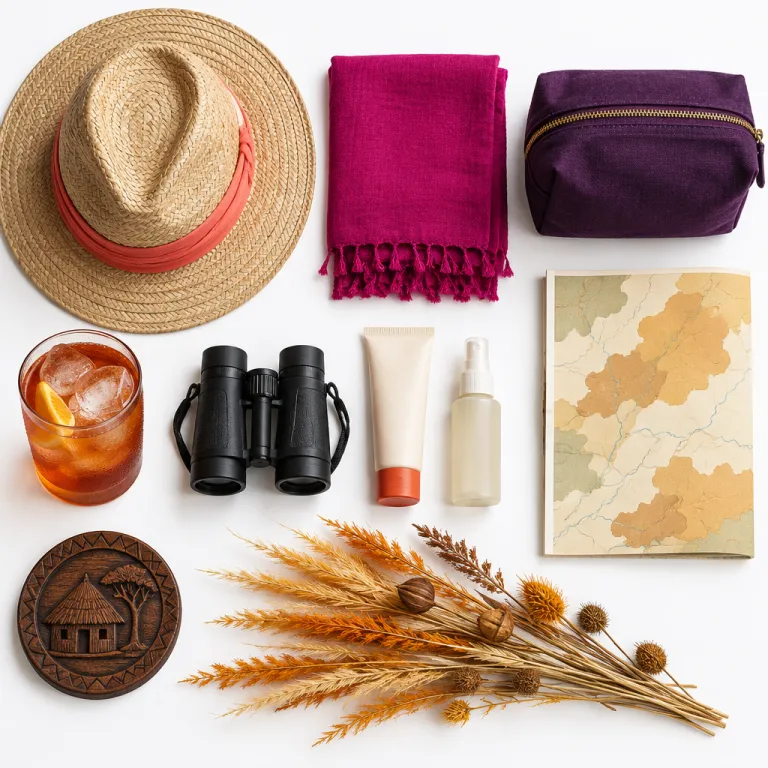
For an October safari in Zambia, pack lightweight, breathable clothing in neutral tones, a wide brimmed hat, high SPF sunscreen and a reusable water bottle. Closed shoes suitable for walking safaris are essential, as many of the best experiences in South Luangwa and the Lower Zambezi involve time on foot. A light layer for early mornings, good sunglasses and a small daypack for camera gear and personal items will round out a practical, comfortable kit.
How does October compare with April, June or December for a Zambia trip
April usually sits near the end of the rainy season, when landscapes are lush, some tracks may still be wet and wildlife is more dispersed, while June marks the start of the classic dry season with cooler temperatures and increasingly reliable game viewing. By December, the rainy season is typically underway again, bringing dramatic skies, fresh grazing and more challenging access in some national park areas. October stands apart as the late dry season peak, with intense heat but exceptional wildlife density, making it a strong choice for travellers who prioritise sightings over comfort and want to experience Zambia at its most concentrated and dramatic.