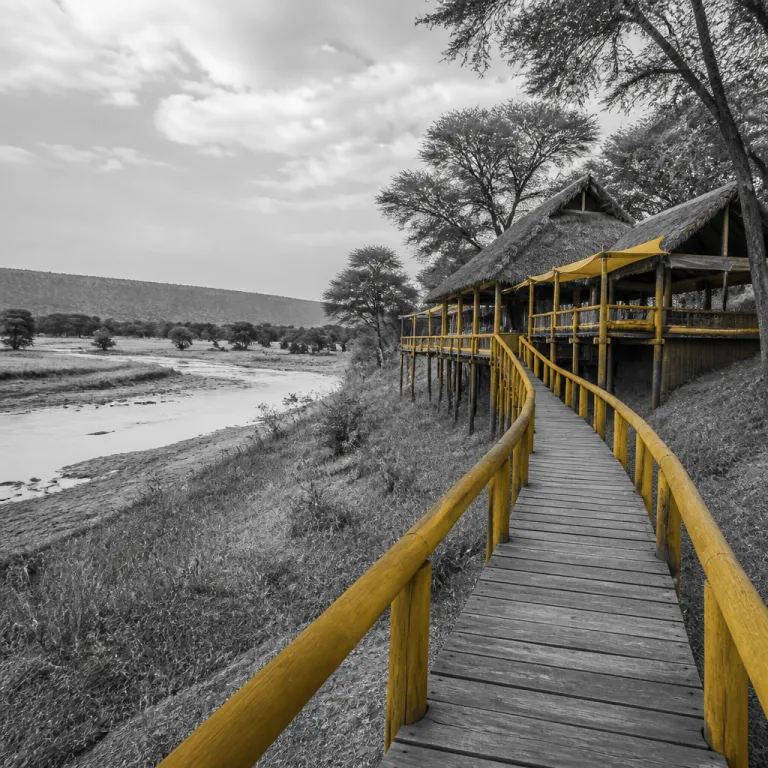
Why Zambia South Luangwa is the refined choice for safari south connoisseurs
Zambia South Luangwa lies in the remote Luangwa Valley, where the Luangwa River bends through a vast national park rich in wildlife. This part of southern Africa has become a reference point for travellers who want a luxury safari experience that still feels authentic and deeply connected to the bush. In Zambia South Luangwa, high-end lodges and intimate bush camp retreats share the same game-rich floodplains as elephants, lions, and more than 60 mammal species.
The park south of Mfuwe is managed by the Department of National Parks and Wildlife (DNPW, formerly the Zambia Wildlife Authority), which focuses on conservation of wildlife and the protection of natural habitats within South Luangwa National Park. Their work underpins every Luangwa safari, ensuring that luxury safaris and walking safaris support endangered species and local communities rather than overwhelming them. This balance between preservation and indulgence is what sets Zambia South Luangwa apart from many other national parks in Africa.
South Luangwa is recognised as the birthplace of the modern walking safari, and that heritage still shapes the type of experience you can book today. The area’s lodges and bush camp properties specialise in guided walking safaris that bring you safely within sight of big game while keeping a light footprint on the bush. As one long-time guide explains to guests at the start of a walk, “We are visitors in the animals’ home, so we move quietly and respectfully.” When you book a lodge or camp here, you are choosing a national park that has pioneered low-impact safaris and continues to refine the art of game viewing in a wild yet carefully protected setting.
Choosing the right lodge or bush camp in South Luangwa National Park
Selecting a lodge in South Luangwa National Park starts with understanding the different zones along the Luangwa River and deeper in the bush. Properties close to Mfuwe Gate offer easier access and a wider choice of camps, while more remote bush camp options in the central and northern Luangwa Valley provide a stronger sense of wilderness. Both types of stays can deliver exceptional game viewing, but the feel of your safari south will be very different.
Luxury lodges on the banks of the Luangwa River usually feature spacious suites, plunge pools, and refined dining, ideal for guests who want comfort between intense wildlife activities. Smaller bush camp properties, often open only in the dry season, focus on walking safaris and intimate encounters with species such as Thornicroft’s giraffe, leopards, and large herds of elephants. A typical day might begin with coffee around the campfire at dawn, followed by a three-hour walk tracking fresh lion prints along the riverine sand. When comparing a river-facing lodge with a remote bush camp, think about how much time you want to spend on a vehicle-based Luangwa safari versus a walking safari each day.
For travellers weighing a stay inside the national park against a nearby private area, it is worth reading a detailed guide on the difference between a national park and a private concession, where access rules can justify a premium rate for certain camps. In South Luangwa, most luxury properties operate inside or adjacent to the park south of the main river, giving you direct access to prime game viewing areas at the best time of day. Whatever lodge or camp you choose, confirm that guided walking safaris, night drives, and flexible activity times are included, as these are central to the character of Zambia South Luangwa.
Best time to visit Zambia South Luangwa for wildlife and comfort
The best time to plan a Zambia South Luangwa trip is usually the long dry season, when vegetation thins and wildlife concentrates along the Luangwa River. From roughly May to October, waterholes shrink and the bush opens up, creating ideal conditions for game viewing and walking safaris. During this dry season, many bush camp properties operate at full capacity, offering some of the most rewarding walking safari experiences in southern Africa.
Travelling outside the peak dry season can still be rewarding, especially for guests who value lush scenery and fewer vehicles in the national park. Early in the season, the park south of the main river is green and vibrant, bird species are especially active, and rates at some lodges may be more accessible. The trade-off is that game viewing can be more challenging, as the bush is thicker and animals have more water sources away from the Luangwa River.
Many guests combine Zambia South Luangwa with time on the lower Zambezi or a side trip to Victoria Falls from the Zambian side, creating a varied southern Africa itinerary. For travellers who appreciate river-based elegance, a specialist product such as a luxury river vessel on the Zambezi can complement the rustic sophistication of a bush camp in Luangwa National Park. When planning your overall time to visit, allow at least four nights in South Luangwa itself, so you can experience both vehicle-based safaris and walking safaris without feeling rushed.
Designing your safari south: walking safaris, game drives, and river moments
A hallmark of Zambia South Luangwa is the emphasis on walking, with many lodges structuring their days around guided walking safaris at first light. These walks, always led by an armed ranger and an expert guide, allow you to read tracks, study smaller species, and feel the Luangwa Valley bush in a way that vehicles cannot match. The Department of National Parks and Wildlife and its partners pioneered walking safaris here, and their experience shows in the calm, confident way guides manage close encounters.
Game drives remain central to any Luangwa safari, especially for guests focused on predators and nocturnal wildlife. Morning and afternoon drives along the Luangwa River and into the interior of the national park reveal lions, leopards, hippos, and large herds of plains game, while night drives highlight species such as civets and genets. Many lodges in South Luangwa National Park offer a flexible mix of walking safari activities and vehicle-based safaris, allowing you to tailor each day to your energy levels and interests.
Time on the river itself is more limited than in destinations such as the lower Zambezi, because the Luangwa River is wilder and less navigable. Instead, the river becomes a scenic backdrop for sundowners, with elephants crossing the channels and bird species gathering along the banks at the best time of day. Guests often recall their first evening in camp: a lantern-lit deck, the sound of hippos grunting below, and the sky turning crimson over the water. If you want to understand how access rules differ between a national park and a private concession, a specialist article on premium access in Zambia’s protected areas can help you choose the right type of camp for your style of safari.
Health, safety, and practical planning for luxury stays in Luangwa national park
Planning a luxury trip to Zambia South Luangwa requires attention to health and logistics, because this is a remote corner of Africa. Malaria is present in the Luangwa Valley, so travellers should consult a medical professional about prophylaxis and bring effective insect repellent for both walking safaris and evening game drives. Lodges and bush camp properties typically provide mosquito nets and screened rooms, but personal precautions remain essential.
Access to South Luangwa National Park is usually via domestic flights to Mfuwe, followed by a road transfer to your chosen lodge or camp. Flights from Lusaka to Mfuwe take about one hour, and the park area covers about 9 050 km², according to Department of National Parks and Wildlife figures and public park records, so transfer times can vary significantly depending on whether your property is near the park south entrance or in a more remote sector. Luxury operators often include these transfers in their packages, and many work closely with local communities and conservation organisations to ensure that tourism revenue supports both wildlife and people.
Guests sometimes ask whether walking safaris are safe in such a big national park, and the answer from experienced operators is reassuring. As one expert explanation puts it, “Are walking safaris safe? Yes, when conducted by experienced guides.” The Department of National Parks and Wildlife sets strict standards for guides and rangers, and reputable lodges in Zambia South Luangwa adhere to these rules carefully, making a walking safari here one of the safest and most educational ways to experience the African bush.
Combining Zambia South Luangwa with other national parks and regions
Many travellers pair Zambia South Luangwa with other national parks in Zambia and neighbouring parts of southern Africa to create a varied itinerary. A classic combination is South Luangwa National Park with the lower Zambezi, where the focus shifts from walking safaris and dry season game viewing to canoeing and boat-based wildlife encounters. This contrast between a bush camp in the Luangwa Valley and a riverfront lodge on the Zambezi River highlights the diversity of habitats and species within Zambia.
Another popular extension is a stay near Victoria Falls on the Zambian side, which adds a dramatic natural landmark to a wildlife-focused journey. A detailed planning guide to visiting Victoria Falls from Zambia can help you choose the best time and type of accommodation to match your South Luangwa stay. When you combine these regions thoughtfully, you experience both the intimate, track-filled plains of Luangwa National Park and the powerful waters that shape much of southern Africa.
For guests with more time to visit, adding other Zambian national parks such as Kafue can deepen your understanding of the country’s conservation story. Each park south or west of the Luangwa River offers a different mix of species, landscapes, and lodge styles, from classic tented camps to more contemporary riverfront properties. Throughout these journeys, the standards set in Zambia South Luangwa for guiding, walking safari safety, and low-impact bush camp design often serve as a benchmark for quality.
How luxury booking platforms elevate your Zambia South Luangwa experience
Using a specialised luxury and premium hotel booking website for Zambia South Luangwa helps you navigate the many lodge and bush camp options with confidence. These platforms curate properties that meet strict criteria for guiding quality, conservation commitment, and guest comfort, which is crucial in a remote national park where standards can vary. By comparing different types of lodges and camps side by side, you can match your preferred style of safari with the right level of exclusivity and access.
High-end booking services often maintain close relationships with lodge owners and the Department of National Parks and Wildlife, giving them up-to-date information on wildlife movements, seasonal changes, and any temporary park south closures. This insight allows them to advise on the best time to visit specific sectors of South Luangwa National Park, whether you are prioritising predator sightings, bird species, or the classic dry season concentration of game along the Luangwa River. They can also coordinate multi-stop itineraries that link Luangwa National Park with the lower Zambezi and Victoria Falls, ensuring smooth transfers and coherent pacing.
Another advantage of using a dedicated platform is transparent information about conservation levies, park fees, and community contributions that are built into your stay. In Zambia South Luangwa, many lodges and bush camp operators support local schools, anti-poaching patrols, and habitat restoration projects, so your choice of camp has real impact on the future of the Luangwa Valley. A trustworthy booking partner will highlight these initiatives clearly, helping you select a lodge or camp where your investment in luxury also strengthens the long-term protection of this remarkable corner of Africa.
Key figures that define South Luangwa National Park
- South Luangwa National Park covers about 9 050 km², making it one of Zambia’s largest protected areas and giving lodges and bush camp properties access to extensive, uncrowded game viewing zones (data from Department of National Parks and Wildlife records and official park documentation).
- The park hosts roughly 60 mammal species, including elephants, lions, leopards, hippos, and endemic Thornicroft’s giraffe, which underpins the region’s reputation for high-quality Luangwa safari experiences (figures reported by conservation organisations and long-term research projects in the Luangwa Valley).
- More than 400 bird species have been recorded in South Luangwa, making the park a leading destination in Africa for bird-focused walking safaris and specialist photographic trips (data compiled by ornithological surveys and birding associations active in the region).
- Tourism in South Luangwa operates year round, but the main dry season from about May to October is widely regarded as the best time for concentrated game viewing along the Luangwa River (guidance from the Department of National Parks and Wildlife and long-standing safari operators).
Frequently asked questions about Zambia South Luangwa
What animals can I see in South Luangwa?
Visitors to South Luangwa National Park can expect to see elephants, leopards, hippos, lions, and unique species like Thornicroft’s giraffe during game drives and walking safaris. The mix of riverine woodland and open plains in the Luangwa Valley supports around 60 mammal species and abundant birdlife. Predator sightings, especially of leopards, are a particular highlight of many Zambia South Luangwa safaris.
When is the best time to visit South Luangwa for a safari?
The best time to visit South Luangwa for reliable game viewing is the dry season, roughly from May to October, when animals concentrate along the Luangwa River. During this period, vegetation is thinner, water sources are limited, and both vehicle-based safaris and walking safaris are especially productive. Some travellers also enjoy the green season for its dramatic skies and bird species, accepting that wildlife can be harder to spot.
Are walking safaris safe in South Luangwa?
Walking safaris in South Luangwa are considered safe when conducted by experienced, licensed guides who follow Department of National Parks and Wildlife protocols. Guests are always accompanied by an armed ranger and a professional guide who read animal behaviour carefully and maintain safe distances. Reputable lodges and bush camp operators in Zambia South Luangwa place safety first, while still offering close, memorable encounters with the African bush.
How many days should I spend in Zambia South Luangwa?
A stay of at least four nights in Zambia South Luangwa is recommended to balance travel time with meaningful wildlife experiences. This duration allows you to combine game drives, walking safaris, and relaxed time at your lodge or bush camp without rushing. Guests who want to explore multiple sectors of the national park or combine South Luangwa with the lower Zambezi or Victoria Falls often plan for seven to ten nights in Zambia overall.
Do I need to worry about malaria and health issues in South Luangwa?
South Luangwa lies in a malaria area, so travellers should consult a healthcare professional about prophylaxis before their trip. Lodges provide mosquito nets and encourage the use of repellent, especially in the evenings and on early morning walking safaris. It is also wise to carry comprehensive travel insurance, as the park is remote and medical evacuations from Zambia South Luangwa can be costly without proper cover.