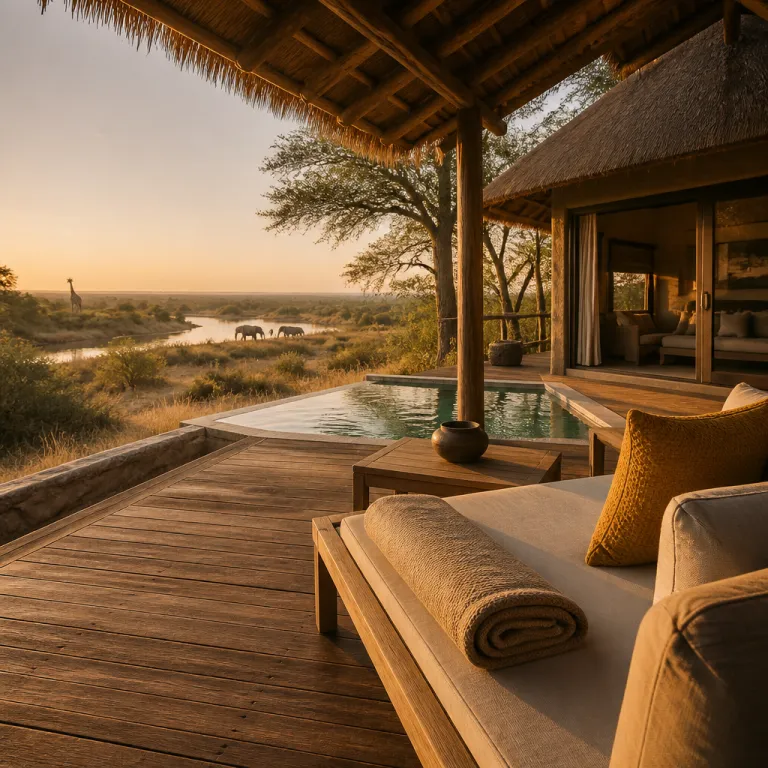
Choosing a Zambia safari lodge for a refined bush escape
A Zambia safari lodge stay suits travellers who want comfort with authentic bush immersion. In Zambia, luxury lodges and intimate camp retreats sit beside each major national park, giving you front row access to wildlife and sweeping river views. When you compare safari lodges, focus on how each lodge balances privacy, guiding quality, and proximity to key game viewing areas.
In Kafue National Park, Ila Safari Lodge and Mukambi Safari Lodge both overlook the Kafue River, yet they offer different styles of luxury and different access to game rich sectors of the park. Ila Safari Lodge features a small collection of contemporary tented suites facing the river, while Mukambi Safari Lodge acts as a gateway to the broader Kafue national wilderness with strong links to its own bush camp in the remote Busanga area. A well designed luxury lodge in this region often combines solar power, low impact construction, and carefully planned game drives that minimise disturbance to wildlife.
Along the Luangwa River, Thornicroft Lodge and Wildlife Camp provide more relaxed, great value options that still sit close to the action in South Luangwa. These lodges place you near the river’s oxbow lagoons, where game viewing is intense during the dry season and predators concentrate around shrinking water sources. When you book a Zambia safari in this valley, choose a safari lodge that offers both day and night game drives, because nocturnal safaris reveal leopard, hyena, and other elusive species.
South Luangwa and Luangwa national park lodges for serious wildlife lovers
South Luangwa is often described as the spiritual home of the walking safari, and the lodges here take that heritage seriously. Lion Camp Safari Lodge, for example, lies deep inside South Luangwa National Park, with elevated suites that look over a permanent lagoon where wildlife gathers all day. This kind of remote camp setting allows you to experience the bush with minimal vehicle traffic and a strong sense of exclusivity.
Many travellers pair a stay at a classic river lodge such as Thornicroft Lodge with a more secluded bush camp to maximise their Zambia safari. A typical itinerary might start near the main gate of Luangwa National Park, where access is easy and game drives cover the productive riverine loops, then move north to a camp closer to the Nsefu sector for quieter safaris. For a deeper planning overview, resources that focus on Luangwa National Park safaris and refined bush stays can help you compare lodge locations, transfer times, and seasonal wildlife movements.
When evaluating South Luangwa lodges, look closely at guiding standards, because an expert guide transforms every game drive and every walking safari. Ask whether your safari lodge offers small group safaris, ideally with no more than six guests per vehicle, and whether walks are led by fully licensed walking guides and armed scouts approved by Zambia’s national parks authority. If you see Chikunto Safari Lodge or similar specialist operators mentioned in itineraries, understand that these brands often collaborate with established lodges to deliver tailored luxury safari experiences across the Luangwa and other regions.
Lower Zambezi and the art of river lodge living
The Lower Zambezi region offers a different rhythm, where life revolves around the Zambezi River and its floodplains. Here, a Zambia safari lodge such as Royal Zambezi Lodge places you directly on the riverbank, facing the forested slopes of Zimbabwe’s Zambezi National Park across the water. This setting creates a natural amphitheatre for wildlife, with elephants, hippos, and buffalo frequently visible from your private deck.
Staying at a river lodge in Lower Zambezi National Park means your daily safaris can alternate between water and land based activities. Morning game drives explore inland channels and winterthorn forests, while afternoon boat trips and canoe excursions follow the Zambezi River itself, offering close yet carefully managed encounters with wildlife at the water’s edge. Many luxury lodge properties here also offer catch and release tiger fishing, which adds another dimension to a multi day luxury safari itinerary.
Travellers who enjoy the idea of extended time on the water sometimes combine a Lower Zambezi stay with a refined river cruise, using resources that explain sailing options on the Zambezi for an upscale safari. Whether you remain at a single safari lodge or move between lodges and boats, the key is to ensure that your chosen camp has strong links with local national parks authorities and employs an expert guide team. This collaboration supports conservation while giving guests safe, insightful access to the river, the floodplain, and the surrounding bush.
Kafue, Busanga and the appeal of wide open Africa
Kafue National Park is one of Africa’s largest protected areas, and its scale shapes every Zambia safari here. Lodges such as Ila Safari Lodge, Mukambi Safari Lodge, KaingU Safari Lodge, and Pinnon Safari Lodge are strung along the Kafue River, each using boat safaris and game drives to reach different habitats. This river corridor supports a mix of woodland, open plains, and islands, which in turn attract diverse wildlife from antelope to predators.
Far to the north, the Busanga Plains feel like a different world, and a stay at a Busanga camp places you in the heart of this seasonal wetland. During the dry months, Busanga Camp style properties sit on raised islands above the floodplain, with panoramic views of lechwe, puku, and sometimes cheetah moving across the grasslands. Because access is more complex than in other national parks, many travellers book packages that combine a central Kafue lodge with a few nights at a specialist Busanga camp to balance logistics and cost.
When comparing Kafue safari lodges, pay attention to transfer times from Lusaka or Livingstone, as road journeys can be long yet scenic. Some luxury lodge operators arrange charter flights directly into bush airstrips, which significantly reduces travel time and increases time on safari. Whether you choose a river lodge near the central Kafue or a more remote camp in Busanga, the reward is a sense of space that is increasingly rare in Africa’s more crowded parks.
Victoria Falls, Livingstone and safari extensions across Zambia
Many travellers start or end their Zambia safari near Victoria Falls, using Livingstone as a soft landing before heading into the bush. While the town itself offers a range of hotels, several river lodges upstream on the Zambezi River provide a quieter base with easy access to the falls. These properties often combine sunset cruises, cultural visits, and day trips to Mosi oa Tunya National Park, where you can see rhino on short game drives.
If you are planning a refined visit to the Zambian side of Victoria Falls, consult detailed guides that focus on planning an exceptional Victoria Falls trip from Zambia. Such resources help you time your stay around water levels, which change the character of the falls and the surrounding park trails. They also explain how to combine a few nights at a river lodge near Livingstone with longer safaris in South Luangwa, Kafue, or Lower Zambezi without wasting days on transfers.
From Livingstone, scheduled flights connect you to Lusaka, Mfuwe for Luangwa National Park, and Jeki or Royal airstrips for Lower Zambezi National Park. This network makes it realistic to link Victoria Falls, a classic Zambia safari lodge in the Luangwa valley, and a luxury lodge on the Zambezi River within a ten to twelve night itinerary. By structuring your journey around these hubs, you can experience different national parks, varied wildlife, and contrasting landscapes without backtracking.
How to book a luxury safari lodge in Zambia with confidence
Booking a luxury safari in Zambia is easiest when you start with clear priorities about wildlife, comfort level, and travel time. Decide whether you want an intense game viewing focus in South Luangwa, a river based experience in Lower Zambezi, or a wide ranging exploration of Kafue and its Busanga Plains. Once your priorities are set, you can compare safari lodges on factors such as guiding quality, room design, sustainability practices, and access to both game drives and walking safari activities.
For travellers who value flexibility, a combination of one main lodge and one smaller camp in a different part of the same national park often works well. In Luangwa National Park, for example, you might pair a comfortable river lodge with a more rustic bush camp that specialises in walking safaris, guided by an expert guide who knows the terrain intimately. In Kafue National Park, a similar pattern could involve a central Kafue river lodge followed by a stay at a Busanga camp to experience the open plains.
Practical details matter too, especially in a country as large as Zambia. Book in advance for peak season from May to October, when wildlife viewing is strongest and lodges in South Luangwa and Lower Zambezi fill quickly. Follow standard health advice such as ensuring vaccinations are current, packing neutral coloured clothing for the bush, and checking visa requirements, because most visitors require a visa to enter Zambia for tourism.
Key figures and trends shaping Zambia safari lodge travel
- Zambia currently protects around 20 national parks, according to the Zambia Tourism Board, giving safari lodges access to a wide range of ecosystems from the Luangwa valley to the Kafue and Lower Zambezi regions.
- Annual tourist arrivals in Zambia are estimated at about one million visitors, based on Zambia Tourism Board and UN World Tourism Organization data, and a growing share of these travellers choose luxury safari lodge stays that support conservation focused operations.
- Safari bookings are available year round, but peak demand for game drives and walking safaris runs from May to October during the dry season, when vegetation thins and wildlife concentrates around rivers and waterholes.
- Operators across Zambia report a clear rise in eco tourism and increased demand for luxury safari experiences, which has encouraged more lodges and camps to invest in solar power, low impact construction, and community partnerships.
- Many leading lodges in South Luangwa, Kafue, and Lower Zambezi now coordinate closely with national parks authorities and local guides, aligning guest activities such as walking safari outings and boat trips with broader conservation goals.
FAQ about booking a Zambia safari lodge
What is the best time to visit Zambia for a safari lodge stay ?
The best time to visit a Zambia safari lodge for wildlife viewing is the dry season from May to October. During these months, bush vegetation is thinner, rivers and lagoons draw animals into the open, and game drives are more productive. Many lodges in South Luangwa, Kafue, and Lower Zambezi operate at full capacity in this period, so advance booking is essential.
Are walking safaris safe in Zambia’s national parks ?
Walking safaris in Zambia’s national parks are considered safe when conducted by licensed, experienced guides and armed scouts. The official guidance from the Department of National Parks and Wildlife is clear that walking safaris should only be undertaken with trained professionals. Reputable safari lodges in South Luangwa, Kafue, and Lower Zambezi will brief guests thoroughly, limit group sizes, and follow strict protocols around wildlife encounters.
Do I need a visa to visit Zambia for a safari ?
Most international visitors require a visa to enter Zambia for a safari holiday. Always check the latest entry requirements with your nearest Zambian embassy or official government website before booking flights and lodge stays, as visa rules and eligible nationalities can change.
How far in advance should I book a luxury lodge in Zambia ?
For peak season stays between May and October, aim to book your luxury lodge at least six to nine months in advance. High demand properties in South Luangwa, Lower Zambezi, and near Victoria Falls often fill their river facing suites and specialist bush camps early. Shoulder season dates outside school holidays can sometimes be secured closer to travel, but choice will be more limited.
Which regions are best for a first time Zambia safari ?
First time visitors usually focus on South Luangwa for classic game drives and walking safaris, or Lower Zambezi for a mix of river activities and land based wildlife viewing. Kafue, including the Busanga Plains, suits travellers who appreciate remote parks and longer stays at a single camp or lodge. Many itineraries also include a few nights near Victoria Falls to combine iconic scenery with a broader Zambia safari experience.
References
- Zambia Tourism Board
- Department of National Parks and Wildlife, Zambia
- UN World Tourism Organization (UNWTO)