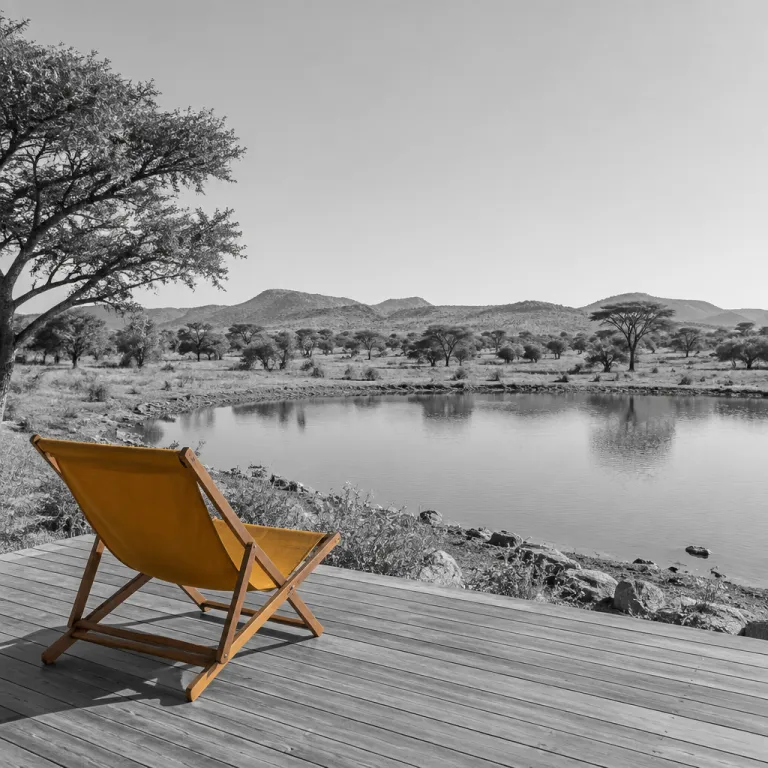
July’s dry season sweet spot for safari wellness in Zambia
July in Zambia sits in that quiet power band where the bush is cool, clear and calm. Long-term climate summaries from the Zambia Meteorological Department indicate average daytime temperatures of about 24 °C, mean monthly rainfall below 5 mm and roughly eight to nine hours of sunshine per day in many safari regions, which makes this period the best time for combining a Zambia safari with serious wellness time rather than squeezing in a token massage between drives. For families planning a July safari and wellness journey in Zambia, this season gives you crisp walking mornings, gentle afternoons by the pool and star filled nights that feel made for deep rest.
Across South Luangwa and the Lower Zambezi, the dry season concentrates wildlife along rivers and lagoons, so you see more while spending less time driving and more time unwinding. That efficiency matters for premium family travelers, because shorter game drives free space in the day for spa treatments, yoga sessions or simply letting children play safely near camp while adults reset. As one South Luangwa guide puts it, “In July the bush does the work for you – animals come to the water, so guests can slow down.” This article focuses on how to use July’s conditions to design luxury safaris that balance wildlife intensity with the health benefits of stillness, sleep and slow time in camp.
Safari operators and local lodges in Zambia have leaned into the rise in wellness tourism by integrating yoga platforms, river facing treatment salas and guided breathing sessions into traditional safaris. The most thoughtful camps treat wellness as a core experience rather than a side activity, which is where a July wellness-focused safari in Zambia really comes into its own for discerning families. When you combine an African safari in peak game viewing season with structured wellness experiences, you create a rhythm that keeps both adults and children energised instead of exhausted, turning a standard trip into a genuine Zambia family wellness safari in the heart of the dry season.
Where spa means more than a massage tent: camps that take wellness seriously
Not every camp in Africa that mentions wellness offers more than a canvas table and scented oil, so choosing the right Zambia safari base is critical. In the Lower Zambezi, Royal Zambezi Lodge’s Royal Bush Spa sits above the river with wide open views, and here the luxury is not just the treatment menu but the ability to watch elephants cross as you move from deep tissue work to a cool plunge. The spa has three treatment rooms, a small gym and a plunge pool, with at least two therapists on duty in July according to lodge information. In South Luangwa, Thornicroft Lodge has developed a wellness spa that blends relaxation with nature, giving families a calm zone away from the main camp hub where children can swim while parents rotate through therapies.
Green Safaris’ Ila Lodge in Kafue National Park adds another layer, with yoga platforms integrated into the bush so sunrise sessions become part of your African safari rather than an add on. Ila’s main deck hosts group classes, while a smaller platform in the trees is reserved for private sessions, typically led by one of two resident instructors during the dry season. These are the kinds of properties where a July wellness itinerary in Zambia feels intentional, with therapists on site all season, proper treatment rooms and schedules that respect game drive times. When you read any Africa travel brochure or an Africa read online, look for details about permanent spa facilities, bush camps with dedicated wellness staff and clear information on how many therapists are in camp during the dry season.
Families should ask direct questions before they book luxury safaris in Zambia, using a trusted travel advisor who knows which bush camps run full spa programs and which rely on visiting therapists. July is peak season, so the best experiences at the Royal Bush Spa, Thornicroft’s wellness area or Ila’s yoga decks can book out quickly if you wait until arrival. Many advisors now recommend confirming preferred spa slots at least 60 to 90 days before travel, especially for school holiday dates. For deeper context on how slowing down in camp transforms a trip, pair this article with a guide to photographic hides and night drives that reward slowing down, which shows how non driving activities can be the best part of safaris in Africa.
Designing a family friendly July wellness day around game drives
The most successful July wellness itineraries in Zambia treat one full day as a wellness day, not a rest day you feel guilty about. In South Luangwa National Park, where walking safaris were pioneered, you might start with a short Zambia walking trail at first light, return to camp for a long breakfast and then move into a sequence of spa treatments, pool time and quiet reading while the bush camp équipe keeps children busy with nature themed activities. One family described their favourite day as “a sunrise walk, pancakes by the river and then three hours of doing absolutely nothing but listening to hippos.” This approach respects that the best time for intense wildlife viewing is early and late, leaving the warm middle hours for health benefits that come from stretching, massage and unhurried family time.
Lower Zambezi National Park works beautifully for this rhythm, because canoe trips and gentle boat safaris can be shortened or skipped without any sense of missing out. Parents can book a mid morning couples treatment at a camp spa while children join a junior ranger walk with guides, then regroup for a relaxed lunch and an optional short afternoon game drive focused on one species rather than a checklist. Many lodges now publish sample daily schedules showing how spa sessions fit around drives, which helps families visualise a wellness-centred day. When you read an Africa travel article that talks about luxury without mentioning how families actually use the day, treat it as marketing rather than planning advice.
From an investment perspective, building a wellness day into your Zambia safari often pays back more than adding another rushed activity. A smart travel advisor will show how a three night stay in one camp, with one day dedicated to wellness, can deliver better ROI than hopping between multiple camps, a point explored in depth in analysis of the business case for a three night stay in Zambia’s slow safari model. Typical nightly rates for premium family-friendly lodges in July range from about US$650 to US$1,200 per person sharing, with individual spa treatments starting around US$40 to US$80 based on current lodge brochures. For premium families, the quiet power of July lies in using the dry season’s predictability to script days where walking, spa time and wildlife experiences support each other rather than compete.
Costs, booking tactics and the wellness case for July in Zambia
Because July is peak dry season across Zambia and much of southern Africa, wellness treatments at luxury camps need to be booked with the same seriousness as prime game drives. Many lodges in South Luangwa, Lower Zambezi and Kafue now publish spa menus with clear pricing, so ask your travel advisor to secure preferred times before you arrive, especially if you want back to back sessions while children are on guided activities. As a rule of thumb, families travelling in July should aim to finalise both safari and spa bookings three to six months in advance. For families, the key is to align spa bookings with kids’ club hours, pool proximity and the timing of walking safaris so no one feels rushed or left out.
Some camps bundle wellness into July safari packages in Zambia, combining a set number of treatments with guided game drives and at least one walking safari, which can offer better value than paying à la carte. When comparing options, look beyond headline rates to see whether bush camps include yoga sessions, meditation or stretching classes as part of the daily schedule, or whether these are charged separately. In a context where the average July day is dry, cool and clear, the health benefits of outdoor treatments, gentle movement and quality sleep can be as significant as the thrill of a close wildlife sighting.
Families sometimes ask whether yoga and safari combinations in Africa are genuine offerings or just marketing veneer, and the answer depends entirely on the camp. Properties like Ila Lodge, Thornicroft Lodge and Royal Zambezi Lodge have invested in permanent spaces and trained instructors, which signals that wellness is part of their core African safari identity rather than a seasonal add on. As one operator explains when asked, “What is a safari wellness retreat? A trip combining wildlife viewing with wellness activities like yoga.” For July travellers, that definition becomes very real when cool mornings, clear skies and quiet afternoons line up to support both adventure and recovery on a dry season safari spa escape.
FAQ
What makes July a strong month for safari wellness in Zambia ?
July sits in the heart of the dry season in Zambia, with average daytime temperatures around 24 °C, mean rainfall close to zero and long sunshine hours, which creates ideal conditions for both wildlife viewing and outdoor spa treatments. Rivers and waterholes in South Luangwa and Lower Zambezi draw wildlife closer, so you can often shorten game drives and free time for wellness activities without sacrificing sightings. For families, this balance means cooler walking safaris at dawn, comfortable midday massages and evenings around the fire that support deep, restorative sleep.
How should families structure a wellness focused safari day ?
A practical pattern is to keep an early morning game drive or short walking safari, then dedicate the late morning and early afternoon to wellness. Parents can book treatments or yoga while children join supervised nature walks, pool games or craft sessions near camp, regrouping later for a shorter afternoon drive. This structure respects the best time for wildlife activity while still giving everyone space to rest, reset and enjoy the health benefits of slower hours in camp.
Why choose Zambia for a wellness oriented African safari ?
Zambia combines some of Africa’s most authentic safari experiences with a growing focus on wellness, especially in regions like South Luangwa, Lower Zambezi and Kafue. Camps here are known for expert guiding, intimate bush camps and walking safaris, and many now add dedicated spas, yoga decks and river facing treatment rooms. As one clear answer puts it, “Why choose Zambia for a wellness safari? Zambia offers rich wildlife and serene environments ideal for relaxation.”
What should I pack for a July safari wellness trip in Zambia ?
For a July wellness itinerary in Zambia, pack light breathable clothing for warm days, a fleece or jacket for cool mornings, and comfortable walking shoes for short trails. Add insect repellent, a wide brimmed hat, sunscreen and a reusable water bottle to stay hydrated between activities. If you plan to join yoga or stretching sessions, bring flexible clothing and consider your own mat, although many camps now provide yoga mats as standard.
Are walking safaris suitable for families interested in wellness ?
Walking safaris in Zambia are usually guided by highly qualified professionals and can be tailored to different fitness levels, which makes them suitable for many families with older children. Shorter Zambia walking routes near camp focus on tracks, plants and smaller wildlife rather than close big game encounters, so they feel more like mindful nature walks than extreme adventures. These gentle walks, especially in the cool July mornings, offer significant health benefits by combining movement, fresh air and focused attention on the bush environment.
References
Royal Zambezi Lodge (Royal Bush Spa) ; Thornicroft Lodge, South Luangwa ; Green Safaris (Ila Lodge, Kafue National Park).
For cultural context that pairs well with wellness focused itineraries, see this guide to Zambian ceremonies that belong on a safari itinerary on myzambiastay.com.