Choosing an eco lodge Zambia safari without falling for greenwash
Eco credentials now headline almost every luxury lodge in Zambia. For a solo traveler planning an eco lodge Zambia safari, the challenge is separating serious conservation work from soft marketing language that sounds virtuous but changes little on the ground. The aim is to book safari lodges where your stay measurably improves wildlife protection and community livelihoods, not just the lodge’s brochure.
Start by looking beyond the word eco and into the lodge’s energy, water and waste systems. A genuinely eco friendly safari lodge will publish clear data on solar capacity, grey water treatment and single use plastic policies, while also explaining how these choices affect the guest experience during a Zambia safari. When you compare several eco lodges across Zambia’s national park network, you quickly see which properties treat sustainability as core infrastructure and which treat it as a decorative label.
Location matters as much as technology when you choose between lodges. Properties inside a national park such as Kafue National or South Luangwa carry a heavier responsibility, because their footprint sits directly inside critical wildlife corridors and along major rivers like the Luangwa River and Zambezi River. A serious eco lodge Zambia safari operator will show how its camp layout, river access and game drives schedule reduce pressure on sensitive habitats while still delivering a luxury African safari experience.
Electric game drives in Kafue National: silence, batteries and real trade offs
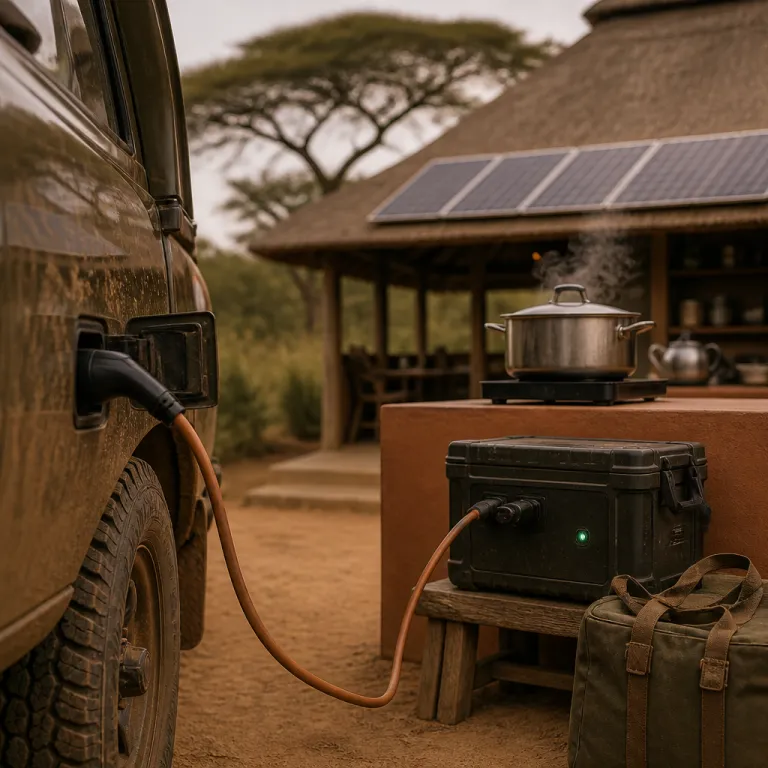
Kafue National Park is where Zambia’s electric safari story is being written in real time. Ila Safari Lodge, operated by Green Safaris on the banks of the Kafue River, runs the country’s first fully electric game drive vehicle and solar powered boats, making it a flagship for any eco lodge Zambia safari focused on technology. The lodge combines ten luxury tents with a quietly radical approach to energy, from solar arrays to eco friendly building materials sourced locally.
The difference between an electric and diesel vehicle is not only about carbon emissions during safaris. On an early morning drive across the Busanga Plains or along the river, the near silence of an electric vehicle changes the quality of wildlife encounters, because you hear hippos grunting, lechwe splashing and lions calling before you see them. Guides at this lodge report that skittish antelope and predators tolerate closer approaches, which subtly shifts the rhythm of game drives and can make your Zambia safari feel more intimate and less mechanical.
There are trade offs that every guest should understand before booking a safari lodge built around solar power. Overcast days can deplete batteries, and a genuinely eco lodge will be honest about what happens if power runs low during dinner service or while charging cameras between walking safaris and boat safaris. When a property like Ila Safari Lodge explains that it may prioritise fridges and freezers over decorative lighting on such nights, that transparency is a strong signal that sustainability decisions are real, not cosmetic, and it sets a benchmark for the best lodges across Zambia.
What activities are offered at Ila Safari Lodge? Electric game drives, walking safaris, boat safaris, bush meals, sunset cruises, and fishing.
Zambian owned lodges and credibility now intersect directly with sustainability, because local ownership often means longer term commitment to Kafue National and its surrounding communities. When you weigh different lodges in south, central and lower regions of Zambia, ask who owns the camp, who guides the safaris and who benefits from the conservation fees attached to your stay.
From Nalusanga fields to Luangwa River banks: testing community impact claims
Many safari lodges in Zambia now highlight community projects, but the depth of those partnerships varies widely. Green Safaris’ work near Kafue National through the Nalusanga community farming initiative offers a useful benchmark for an eco lodge Zambia safari, because the project has shifted from lodge led support to independent community management. That handover of control is what separates genuine empowerment from perpetual dependence dressed up as philanthropy.
When you evaluate lodges along the Luangwa River or in South Luangwa, ask how community projects are structured and who ultimately owns the outcomes. A strong model might mirror Nalusanga, where training, tools and initial funding come from the lodge, but long term decision making and profits sit with local farmers rather than with a distant safari company. During a Zambia safari that moves between Kafue National, South Luangwa and Lower Zambezi, you can compare how different camps talk about schools, clinics and farming schemes, and whether local leaders echo those narratives.
Cultural visits are another area where intent and impact can diverge sharply between lodges. Before joining a village walk from a safari lodge near a national park, read how the property frames the experience and how revenue is shared with hosts. Our guide to when a lodge cultural visit becomes more than a tour stop outlines questions to ask, from consent and scheduling to language use and representation, which are crucial if you want your eco lodge Zambia safari to respect cultural as well as ecological integrity.
Lower Zambezi, Victoria Falls and Luangwa: reading the rivers and the fine print
On the Lower Zambezi, sustainability is written into the waterline. Camps strung along the Zambezi River, from intimate eco lodges to larger safari lodges, must manage boat traffic, fishing pressure and bank erosion while still delivering the classic Zambia safari mix of canoe trips, game drives and walking safaris. A serious eco lodge Zambia safari operator here will cap boat departures, use four stroke or electric motors where possible and coordinate with neighbours to avoid crowding key wildlife channels.
One of the most respected properties on this stretch is Tongabezi Lodge, perched upstream from Victoria Falls on the Zambezi River. While Tongabezi Lodge is best known for romance and design, its waste management, water purification and community education programmes now matter just as much for discerning guests who care about eco friendly operations. When you combine a stay here with time in Lower Zambezi or South Luangwa, you can compare how different lodges balance luxury with low impact practices, from refillable glass water systems to solar powered kitchens.
Victoria Falls and the surrounding Zambezi National Park area present a different test for eco lodge Zambia safari claims. High visitor numbers, frequent transfers and adrenaline activities can strain both the river and the park, so lodges that limit helicopter flights, coordinate transfer vehicles and invest in local guiding capacity stand out as the best options. As you move between Victoria Falls, Lower Zambezi and Luangwa National areas, pay attention to whether lodges talk about carrying capacity, not just about views of the falls or proximity to the river, because that language reveals how seriously they take long term wildlife protection.
For a deeper sense of what river based safaris actually feel like in this region, read our field report on canoeing past hippos on the Lower Zambezi. That account shows how guide training, boat choice and timing can make a river safari both thrilling and low impact, which is exactly what you should expect from a well run eco lodge Zambia safari along the Zambezi River.
How to audit green claims on your next Zambia safari booking
Verifying sustainability starts long before you arrive at camp. When you enquire about an eco lodge Zambia safari, ask for specifics on energy sources, water treatment, waste handling and carbon offset schemes, and request recent data rather than broad promises. A lodge that takes its eco responsibilities seriously will respond with clear explanations, not vague assurances about being green or sustainable.
Energy is the first pillar to examine when comparing lodges across Kafue National, South Luangwa and Lower Zambezi. Ask what percentage of power comes from solar, how batteries are managed on cloudy days and whether diesel generators still run at night, especially during peak season safaris. In a truly eco friendly safari lodge, generators are a backup rather than the default, and staff can explain how the system copes when guests return from game drives, plug in multiple devices and expect hot showers before dinner.
Water and waste are the next filters for any serious eco lodge Zambia safari. Request details on grey water treatment, composting or low flush toilets and whether the lodge has eliminated single use plastic bottles by installing filtered water stations in tents and vehicles. When a property near the Luangwa River or Zambezi River still imports large volumes of bottled water, its eco claims deserve closer scrutiny, especially if neighbouring lodges in the same national park have already shifted to refillable systems.
Carbon offset programmes attached to guest stays require particular caution. Offsets can be meaningful when they fund verified reforestation or clean energy projects in Zambia, but they are performative when used to excuse high emissions from unnecessary flights, oversized generators or poorly maintained vehicles. The most credible safari lodges treat offsets as a final step after reducing emissions through electric vehicles, solar power and efficient logistics, not as a licence to continue business as usual.
Finally, use your own senses once you arrive at any camp or lodge. Listen for generator noise at night, look for plastic waste near staff areas, ask guides about wildlife monitoring and community projects, and notice whether staff from nearby villages hold senior roles or only entry level positions. On a well run eco lodge Zambia safari, the answers to those questions will align with the marketing, and the quiet hum you hear after dark will be insects and river frogs, not a diesel engine hidden behind the laundry.
FAQ
How does Ila Safari Lodge contribute to sustainability?
How does Ila Safari Lodge contribute to sustainability? By using solar power, electric vehicles, and locally sourced materials.
Is Ila Safari Lodge suitable for solo travelers as well as families?
Ila Safari Lodge is designed for a wide range of guests, including solo travelers who want a focused eco lodge Zambia safari and families seeking a comfortable base in Kafue National Park. The lodge offers guided game drives, walking safaris and boat activities that can be tailored to different fitness levels and interests. Its ten tent layout keeps the camp intimate while still providing enough space for both quiet time and social interaction around the fire.
What questions should I ask a lodge to verify its eco credentials?
Ask for precise information on energy sources, water treatment, waste management and single use plastic policies, and request recent examples rather than general statements. You can also enquire about community projects, staff training, wildlife monitoring and whether the lodge participates in any independent sustainability audits. If answers are vague or defensive, consider alternative lodges whose Zambia safari operations are more transparent.
Are electric game drives always better than diesel vehicles?
Electric vehicles significantly reduce noise and local emissions, which can improve wildlife sightings and make safaris feel more immersive. However, they require robust solar and battery systems, so lodges must plan carefully for cloudy periods and maintenance to avoid disruptions. A well managed mix of electric vehicles for most game drives and limited diesel backup for emergencies can be an effective compromise.
How can I ensure my Zambia safari benefits local communities?
Choose lodges that employ and promote staff from nearby villages, support independently run community projects and share clear revenue arrangements for cultural visits or conservancy fees. During your stay, join activities that are locally guided, buy crafts directly from artisans and tip fairly through lodge systems that distribute funds transparently. These choices help align your eco lodge Zambia safari with long term social as well as environmental benefits.