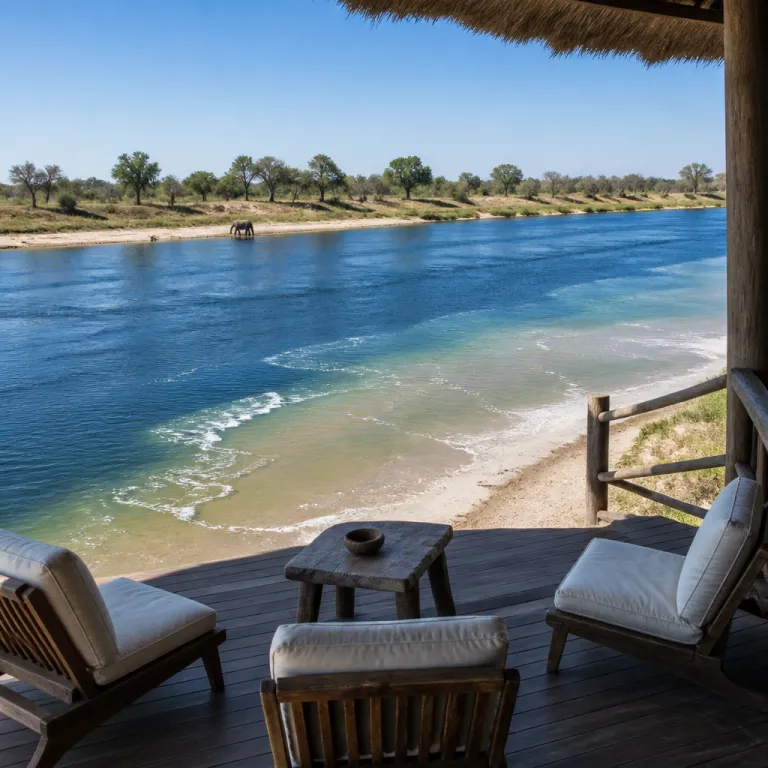
Why two nights in Zambia is not enough for a serious safari
Ask any seasoned guide in Zambia how many nights you should stay, and the answer rarely stops at two. A short zambia safari of just two nights delivers a hit of adrenaline, but it barely scratches the surface of how the bush actually works and how wildlife settles around a vehicle or a walking party. If you care about the return on your travel investment, the third night is where the experience and the value curve both bend sharply in your favour.
Across Africa, the average daily safari cost in a luxury camp sits around 1 100 USD, and typical safari duration is three nights, which already hints at where the sweet spot lies for meaningful game viewing and real rest. In Zambia specifically, where resident game rather than migrating herds defines the rhythm, staying three or more nights in one national park allows animals to relax around you, so each game drive and each walking safari becomes less about chasing sightings and more about reading behaviour. That is when a pride of lions on the luangwa river stops staring at the vehicle and starts ignoring it, and when your guide can narrate the story of that pride over several days rather than one rushed encounter.
Safari operators and hoteliers in the south and lower regions of Zambia quietly agree on this point, because they see the pattern play out across hundreds of guests and multiple safaris each season. On day one, travellers arrive from Lusaka or Johannesburg, slightly wired, and the first afternoon game drives in south luangwa or lower zambezi national parks feel like a highlight reel rather than a narrative. By night three, the same guests are noticing the shift in birdsong at dawn, the different tempo of the zambezi river at midday, and the way the bush camp staff anticipate their preferences before they ask.
The ROI of the third night: cost per meaningful sighting in Zambia
Think of your zambia safari as a portfolio of experiences, and the question of zambia safari how many nights becomes a question of cost per meaningful sighting rather than cost per night. The first 24 hours in any national park are dominated by logistics and novelty, from the transfer into camp south of Mfuwe to the safety briefing before your first walking safaris. Only once you have slept in the bush, heard the luangwa river hippos through the canvas and understood the camp routine does each subsequent day start to generate a higher yield of calm, unhurried wildlife encounters.
Guides across south luangwa national park and the lower zambezi region report a consistent pattern in animal behaviour that directly affects your return on investment. During the first day or two of game drives, vehicles are new objects in the landscape, so game viewing often involves animals in alert postures, watching you as closely as you watch them. After repeated, non intrusive game drive approaches from the same camp, those same animals in luangwa national areas and along the zambezi river resume natural behaviour, which means you see hunting sequences, parental care and subtle social dynamics that simply do not unfold on a rushed two night stay.
From a business traveller’s perspective, the numbers are compelling when you spread the fixed travel cost over three or four nights instead of two. Your flights into Zambia, your transfers to a bush camp in the region south of the main gate, and your park fees for south luangwa or kafue national parks remain largely constant, while each extra night adds two more major activities, typically a morning walking safari and an afternoon game drive. The result is that the cost per high quality sighting, per guided walk and per hour of decompression in camp drops significantly once you cross that third night threshold.
For readers who want to go deeper into this slow approach to safaris, the detailed guide on planning the best time to visit Zambia for luxury safaris helps align your extra nights with the right season and the right national park. When you combine smart timing with a three night minimum in one area, the payoff in both wildlife density and overall serenity is markedly higher. That is the real business case for staying put in one camp rather than hopping between multiple parks too quickly.
The executive rhythm: structuring three to four nights around work and wilderness
For business leisure travellers, the real question is not only zambia safari how many nights, but how to weave those nights around meetings, deadlines and the need for reliable connectivity. Zambia’s leading camps in south luangwa, lower zambezi and kafue national parks have quietly adapted to this executive rhythm, offering Starlink or comparable satellite connections, proper desks in suites and enough power capacity for laptops and phones. That means a three or four night stay can follow a disciplined pattern that respects both your calendar and the cadence of the bush.
A typical day in a high end bush camp might start with a dawn walking safari along the luangwa river or a gentle game drive through the mopane woodland, returning to camp south of the main channel by late morning. After brunch, the camp team will usually carve out a quiet block of time when Wi Fi is strongest, allowing you to clear email, join a video call or review documents while still hearing the distant grunts of wildlife from the riverine forest. By mid afternoon, you are back in a vehicle or on foot, heading out for more game viewing as the light softens and the zambezi river or busanga plains catch the last sun.
Over three or four nights, this rhythm becomes almost meditative, and the so called decompression curve steepens in your favour. On night one, your mind is still in the boardroom, and the first game drives feel like a vivid but slightly surreal interlude between flights and spreadsheets. By night three, the combination of walking safaris, unhurried time in camp and the predictable pattern of day and night in the bush has reset your internal clock in a way that a city hotel simply cannot match, especially when you understand how camps transform between early and late dry season as explained in the guide on how Zambia’s camps change when the dry season hits.
Why Zambia rewards longer stays more than other African safari regions
Across Africa, different safari regions reward time in different ways, and Zambia sits firmly in the slow burn category rather than the instant spectacle model. East Africa’s migration circuits can deliver dramatic scenes in a single day, but they are often driven by moving herds rather than the resident game that defines south luangwa, lower zambezi and kafue national parks. In Zambia, the question of zambia safari how many nights is really a question of how deeply you want to engage with a landscape where walking, tracking and patient observation are the core experiences.
Norman Carr’s original vision for the walking safari in the luangwa national valley placed camps roughly a day’s walk apart, so that guests could move along the luangwa river on foot, sleeping in simple bush camps and letting the park reveal itself at human pace. That DNA still shapes how modern operators in south luangwa national park and along the lower zambezi river design their safaris, from multi night walking safaris between camp south of the main river channel to canoe based itineraries that treat the zambezi national corridor as a continuous wildlife highway. Time plus repetition equals familiarity, and familiarity is what allows both animals and guests to relax into more authentic behaviour.
When you stay three or four nights in one area, you start to notice the micro patterns that define a truly great safari. You recognise individual elephants on the busanga plains, you learn which bend in the river is favoured by a particular pod of hippos, and you see how victoria falls, though physically distant from the luangwa and zambezi valleys, still shapes regional weather and water levels that influence wildlife movements. This is the essence of the slow safari model, which one operator neatly defines in their own materials as follows : “What is a slow-safari? An extended, immersive wildlife experience emphasizing quality over quantity.”
For a deeper exploration of why Zambia, in particular, is the right country to stop tick listing and start paying attention, the editorial on the case for slow safaris sets out the broader context. Once you understand that context, committing to at least three nights in one park stops feeling like an indulgence and starts looking like the only rational way to experience this part of Africa. The extra nights are not a luxury add on ; they are the mechanism that unlocks the full value of Zambia’s national parks.
Choosing the right camps and regions for a three-night Zambia stay
Once you accept that the answer to zambia safari how many nights should rarely be fewer than three, the next decision is where to spend those nights and which camps align with your working style. In south luangwa national park, look for properties along the central luangwa river that combine strong guiding with reliable connectivity, so you can move seamlessly between walking safaris, game drives and short work sessions in your suite. Camps in the region south of the main gate often offer a mix of bush camp intimacy and lodge level infrastructure, which suits executives who want both character and comfort.
Along the lower zambezi river, high end camps inside the lower zambezi national park tend to emphasise water based activities, from canoe trips that weave between hippo pods to boat based game viewing at sunset. Here, a three or four night stay allows you to balance walking safari mornings with afternoons on the water, building a layered understanding of how the river shapes wildlife behaviour. If you add a few nights in kafue national park, especially near the busanga plains, you gain a contrasting landscape of open floodplains and tree islands where game drives reveal different species and a different quality of light.
For travellers who want to pair safari with iconic scenery, a stop at victoria falls before or after your time in the bush can work well, but it should not cannibalise your core nights in the parks. Remember that every transfer day eats into your effective time on safari, so three nights in one camp will usually deliver more value than one night each in three different locations. Safari operators and conservation focused partners across Zambia are increasingly steering guests toward extended stays, because they know from experience that “Why choose a three-night safari? Allows deeper engagement with wildlife and supports conservation efforts.”
From a sustainability perspective, longer safaris in fewer camps also channel more predictable revenue into local communities and conservation organisations, which strengthens the long term health of the parks you have come to enjoy. That alignment between guest satisfaction, wildlife protection and economic stability is the quiet but powerful argument behind the three night minimum. In Zambia’s best camps, the extra nights are not just about more game viewing ; they are about becoming, briefly, part of a living ecosystem rather than a passing spectator.
FAQ
How many nights should I plan for a Zambia safari if I am on a tight schedule ?
If your schedule is constrained, aim for at least three nights in a single national park rather than splitting time between multiple areas. Those three nights give you two full days of activities, which is the minimum needed for animals to relax around your vehicle and for you to adjust to the bush rhythm. Anything shorter tends to feel rushed and offers poor value relative to the fixed travel costs.
What activities are typically included in a three-night Zambia safari stay ?
A well designed three night stay in Zambia usually includes a mix of morning and afternoon game drives, at least one or two walking safaris and, in river based parks like lower zambezi, canoe or boat outings. Many camps also offer night drives for nocturnal wildlife viewing, subject to park regulations. The exact balance of activities will depend on the camp’s location along the luangwa river, zambezi river or within kafue national park.
What is meant by a slow safari in the Zambian context ?
In Zambia, a slow safari refers to extended, immersive stays in one area, often with a strong emphasis on walking and guide led interpretation rather than constant driving between sightings. This model prioritises quality over quantity, allowing you to follow the same pride of lions or herd of elephants over several days and to notice subtle changes in the landscape. It also supports conservation and local economies by concentrating spending in fewer, longer bookings.
Why do guides recommend at least three nights instead of two ?
Guides recommend three nights because they see a clear shift in both guest experience and animal behaviour after the second day. By night three, guests are more relaxed, more observant and less focused on ticking off species, while wildlife in areas like south luangwa national park and lower zambezi national park is more accustomed to the vehicle or walking party. This combination leads to more natural behaviour, richer storytelling from the guide and a better overall return on your safari investment.
How should business travellers balance work and safari time during a three-night stay ?
Business travellers should structure their days around early morning and late afternoon activities, using the late morning and early afternoon for focused work in camp when connectivity is strongest. Many premium camps in Zambia now offer reliable satellite internet, dedicated workspaces and ample charging points, making it realistic to combine meetings with a full safari programme. Over three or four nights, this routine allows you to meet professional obligations while still benefiting from the decompression and perspective that only the bush can provide.