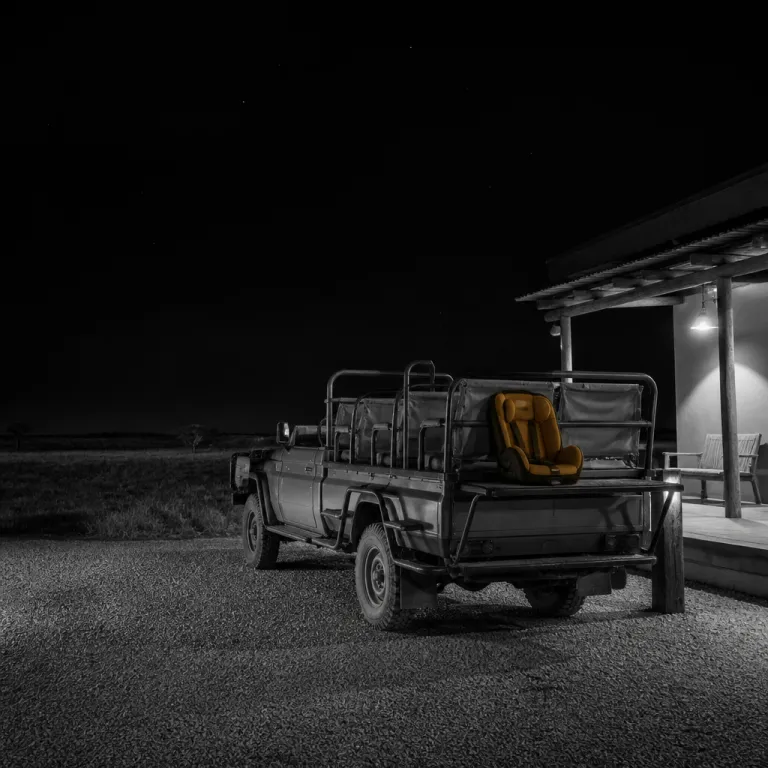
How night drives fit into zambia family safari activities
Night drives sit at the heart of many zambia family safari activities, yet they are also the most misunderstood element of a family safari. In Zambia, where south Luangwa pioneered after dark game drives and where lower Zambezi refined them on private concessions along the Zambezi river, parents quickly learn that lodge policies for children are as varied as the wildlife. For families booking luxury camps lodges through a premium platform, understanding how these activities work in different national parks is the difference between a seamless adventure and nightly negotiations at the camp vehicle.
Across Zambia’s main safari regions, roughly three quarters of high end camps now offer structured night drives as part of their zambia family safari activities, but the fine print matters for every family. A Zambia Tourism Board figure notes that the percentage of lodges offering night drives sits around 75 %, while the Zambia Safari Association puts the average duration of night drives at about 2,5 hours, which is a long time for young children if expectations are not managed. Those numbers shape how you should plan safari holidays, from what time your house or family suite sits down to an early dinner to how you layer clothing for cool air on open vehicles beside the river.
Parents are often drawn to Zambia because this is still one of Africa’s most authentic wildlife destinations, with south Luangwa, lower Zambezi and Kafue National Park all known for strong game viewing and serious guiding. That reputation extends into the night, when game drives switch to spotlights and the focus moves from daytime wildlife to nocturnal safaris that reveal a different side of the bush. For a family safari, the question is not whether night drives are worthwhile, but which camps and national parks will allow your children on the vehicle, at what age, and with what level of guided walking or other activities as alternatives.
South Luangwa and Luangwa National Park: birthplace of the night drive
South Luangwa and the wider Luangwa National Park are where Zambia’s night drives began, and that heritage still shapes how many zambia family safari activities are structured here. Most classic camps in south Luangwa offer afternoon game drives that roll naturally into night drives after sunset, but age limits for children vary from 6 to 12 years depending on the operator and insurance. This is big predator country with intense wildlife, so policies are deliberately conservative to protect both young children and the integrity of game viewing.
Time and Tide Chinzombo, one of the most luxurious camps lodges on the Luangwa river, accepts children of all ages in camp but requires a private vehicle for families with children under 8 on game drives, especially at night. That private vehicle workaround is common in Luangwa National Park and is often the most practical way for a family safari to include younger children on drives without disturbing other guests or compromising safety. Chichele Presidential Lodge, set on a hill with sweeping views over the south, also welcomes children of all ages and adds babysitting and tailored children’s activities, which allows parents to join longer night safaris while little ones stay safely at the lodge house with staff.
Because south Luangwa is also the home of walking safaris, many lodges here balance night drives with guided walking by day for older children and teenagers, while keeping young children to vehicle based activities. When you compare zambia safari options, remember that Luangwa’s focus on serious wildlife and walking safaris means some camps will simply not take children on night drives below a certain age. For families booking through myzambiastay.com and weighing conservation focused travel, it is worth reading how Zambia’s conservation model shapes guest activities in detail in this analysis of what Zambia’s conservation model actually asks of luxury travellers.
Lower Zambezi and the Zambezi river: flexible rules, layered activities
On the opposite side of the country, lower Zambezi offers a different rhythm of zambia family safari activities, shaped by the Zambezi river and more flexible concession rules. Here, many camps sit in private or semi private areas beside the zambezi river, which allows lodges to set their own policies for children on night drives rather than follow stricter national park regulations. That often translates into more accommodating rules for young children, especially when families book a private vehicle or a private guide for evening game drives.
Anabezi Camp, in the lower Zambezi, accommodates children from 2 years in camp but does not allow those under 12 on walking safaris or canoe trips, which is a sensible balance between family safaris and river safety. Night drives from Anabezi Camp typically follow afternoon game viewing along the river floodplains, then continue after dark with spotlights scanning for leopard, hyena and smaller nocturnal wildlife. Because the camp operates in a concession rather than a tightly regulated national park core, it can often tailor activities for a family safari, such as shorter night drives for young children or earlier returns to camp for dinner at the house or family suite.
Along the chongwe river, a tributary of the Zambezi, several camps lodges also offer flexible zambia safari options for families, mixing boat safaris, fishing and gentle game drives with limited night time activities for young children. Parents should ask directly how long typical drives last, whether blankets and hot water bottles are provided, and whether alternative evening activities such as early bush dinners or star talks are available. For families trying to balance spa time, pool hours and children’s bedtimes with night drives, it is worth reading this guide to spa logistics for safari families, then mapping those insights onto lower Zambezi’s more relaxed evening schedules.
Kafue National Park, Mukambi Safari Lodge and beyond: policies in a vast wilderness
Kafue National Park is Zambia’s largest protected area, a huge wilderness where zambia family safari activities feel wilder and more remote than in the more concentrated south Luangwa or lower Zambezi. Because Kafue’s lodges are scattered across different habitats, from riverine forest to the Busanga Plains, policies for children on night drives vary sharply between camps. Some properties in the kafue national area allow children of all ages on night drives if a private vehicle is booked, while others maintain a strict 12 plus rule to minimise disturbance to wildlife and other guests.
Mukambi Safari Lodge, on the Kafue river, welcomes children of all ages and makes it clear that parents assume risk during activities, including night drives and boat safaris. For many families, this openness makes Mukambi Safari Lodge an appealing base for a first Zambia safari, especially when combined with a more exclusive camp deeper in Kafue National Park where game viewing is more intense. The key is to speak frankly with lodge managers about your children’s ages, attention spans and previous experience with wildlife, then decide whether shared or private game drives will suit your family safari best.
Further west, the remote Liuwa Plain region offers some of the most ethereal safaris in Africa, but its remoteness and conservation focus mean that many camps there are better suited to older children and teenagers. Night drives on the liuwa plain are often long and cold, with a strong emphasis on conservation rather than constant big game action, so families should be realistic about what young children will tolerate. When planning zambia family safari activities that include Kafue or Liuwa Plain, think of these national parks as the wilder chapter of your safari holidays, best combined with more structured family safaris in south Luangwa or lower Zambezi where camps lodges have deeper experience with young children.
What children really see on night drives: expectations, safety and lodge workarounds
Marketing images of zambia family safari activities often show a leopard perfectly framed in the spotlight, but the reality of night drives with children is more subtle. Much of the time, game viewing after dark means scanning for eyeshine in the bush, listening to the calls of hyena and lion, and learning how Africa’s nocturnal wildlife moves through the landscape. Dramatic predator sightings do happen, especially in south Luangwa and lower Zambezi, yet parents should frame night drives as an atmospheric adventure rather than a guaranteed big cat show.
Lodges and national parks set age limits for night drives based on three factors, namely safety, insurance and disturbance to wildlife. Open vehicles at night feel more exposed, and sudden movements or loud voices from young children can unsettle both predators and skittish antelope during close range game drives. This is why many camps insist on private vehicles for families with young children, which allows guides to adapt the pace of the safari, shorten drives if needed and quietly explain torch etiquette, whisper rules and how to stay still when wildlife approaches the vehicle.
Parents should also prepare children for the physical reality of night safaris, which can be cold, windy and occasionally bumpy, especially in open 4x4 vehicles used across Zambia’s national parks. Warm layers, beanies and gloves make a big difference, as does a clear pre drive briefing about not shining torches into animals’ eyes and keeping voices low during close encounters. For families interested in the cultural side of zambia family safari activities, and how local communities shape the experience beyond pure wildlife, it is worth reading this piece on when a lodge cultural visit becomes more than a tour stop, then asking your lodge how evening storytelling or music might complement night drives for children.
Alternative evening activities for young children and lodge specific examples
Not every child needs to be on a vehicle at 21.00 for zambia family safari activities to feel complete, and the best lodges know this. In Victoria Falls and along the upper Zambezi near Livingstone, properties such as Chundukwa River Lodge welcome children aged 10 and above in the main lodge, with younger children allowed in the separate Chundu Cottage house, then build flexible evening routines around early dinners and gentle river activities. Here, the focus often shifts from full night drives to sunset cruises on the river, fireside marshmallows and short spotlight drives back to camp that still count as a first taste of a Zambia safari after dark.
In and around Victoria Falls, many luxury camps lodges position themselves as a soft landing for a family safari, combining daytime visits to the falls with light game viewing in nearby national parks and limited night drives. Families can expect more structured children’s activities here, from junior ranger programmes to guided walking around camp, while serious walking safaris and long game drives are usually reserved for older children in south Luangwa or lower Zambezi. Chichele Presidential Lodge, for example, uses its babysitting services and children’s activities to let parents join full length night safaris, while younger children enjoy storytelling sessions and early bedtimes back at the lodge.
Some lodges across Zambia now design child specific night experiences that do not require full game drives, such as star gazing sessions with guides, sleep out decks within secure camp areas and short guided walking loops around the lodge perimeter at dusk. These activities keep young children engaged with Africa’s night sounds and skies without the intensity of full night safaris in big game areas. When you compare zambia family safari activities on a booking platform, look for explicit mentions of junior ranger programmes, child friendly night time activities and flexible dinner times, because those details often matter more to a family than whether a camp sits directly inside a national park boundary.
Practical booking guidance: using luxury platforms to match lodges and family profiles
For families using a luxury and premium hotel booking website to plan zambia family safari activities, the most valuable tool is precise filtering and direct communication with each lodge. Before you fall in love with a camp’s design or its views of the zambezi river, check the stated minimum age for night drives, walking safaris and canoe activities, then ask whether private vehicles are available and at what cost. A good platform will present these policies clearly for each property in south Luangwa, lower Zambezi, Kafue National Park, Victoria Falls and beyond, so you can align them with your children’s ages and your appetite for adventure.
When comparing camps lodges, look beyond generic labels such as “family friendly” and focus on specifics, including whether young children can join early portion game drives, whether there are alternative evening activities and whether babysitting is offered by trained staff. Time and Tide Chinzombo’s requirement for a private vehicle for families with children under 8 is a model of transparent policy, as is Anabezi Camp’s clear stance on no walks or canoe trips for under 12s, and Mukambi Safari Lodge’s open welcome for children of all ages with parents assuming risk. These details allow you to build a layered itinerary, perhaps starting with Victoria Falls and the river, then moving to south Luangwa for serious wildlife and finally to Kafue or Liuwa Plain for wilder safaris with older children.
Parents often ask whether night drives are safe for children and what animals can realistically be seen, and the most honest answer comes from the industry itself. “Are night drives safe for children? Yes, when conducted by experienced guides following safety protocols. What animals can be seen during night drives? Leopards, hyenas, bush babies, and other nocturnal species. Do all lodges offer night drives? Not all; it's best to confirm with individual lodges.” Those three statements, drawn from Zambia’s own safari bodies, align with what we see on the ground and should guide how you use any booking platform to interrogate lodge policies before you commit.
Key figures on night drives and family safaris in Zambia
- The percentage of Zambian lodges offering structured night drives is around 75 %, according to the Zambia Tourism Board, which means one in four properties will not include this activity in standard zambia family safari activities.
- The average duration of a night drive in Zambia is about 2,5 hours, as reported by the Zambia Safari Association, so families with young children should plan for early dinners and flexible bedtimes on nights when game drives extend after dark.
- Most luxury camps in south Luangwa and lower Zambezi set minimum ages between 6 and 12 years for shared night drives, with private vehicle bookings often allowing younger children to join the early part of the safari before returning to camp.
- In regions such as Kafue National Park and Liuwa Plain, several camps maintain a 12 plus policy for night drives, reflecting the remoteness of these national parks and the emphasis on low impact wildlife viewing.
- Peak dry season months typically deliver the strongest night drive game viewing, because thinner vegetation allows spotlights to reach further and cooler evening temperatures keep predators more active along river systems and open plains.
FAQ: night drives with children in Zambia
Are night drives safe for children on a Zambia safari
Night drives are considered safe for children when operated by experienced guides following strict safety protocols and lodge specific age policies. Open vehicles, clear safety briefings and sensible seating arrangements help manage risk, especially in areas with high densities of big game. Parents should always follow guide instructions and choose lodges with strong reputations for safety and training.
What will my children actually see on a night drive
Children are likely to see a mix of nocturnal wildlife, including eyeshine from antelope, smaller predators and sometimes big cats such as leopard or hyena. The experience is as much about sound and atmosphere as about constant sightings, with owls calling, hippos grazing and the Milky Way overhead. Setting realistic expectations helps children appreciate the subtler side of night safaris rather than waiting only for dramatic hunts.
Do all Zambian lodges allow children on night drives
Not all lodges in Zambia allow children on night drives, and policies vary between regions and individual camps. Some properties in south Luangwa, lower Zambezi and Kafue National Park welcome children of all ages on private vehicles, while others enforce strict minimum ages on shared game drives. Always confirm the exact age rules and any private vehicle requirements before booking.
How should we prepare young children for their first night drive
Prepare young children by explaining torch etiquette, whisper rules and the need to stay seated and calm when wildlife approaches the vehicle. Pack warm layers, hats and gloves, because temperatures can drop quickly after sunset on open vehicles in Africa’s national parks. A short rest before the afternoon activity and an early, hearty snack also help children stay comfortable and engaged.
What alternatives exist if my children are too young for night drives
If your children are too young for full night drives, many lodges offer alternative evening activities such as early sunset drives, river cruises, star gazing sessions, storytelling with local staff or supervised play back at camp. Some properties provide babysitting so parents can still join a later game drive while children sleep safely in the room or house. Choosing camps with clear family programmes ensures that everyone enjoys the safari holidays, regardless of age.