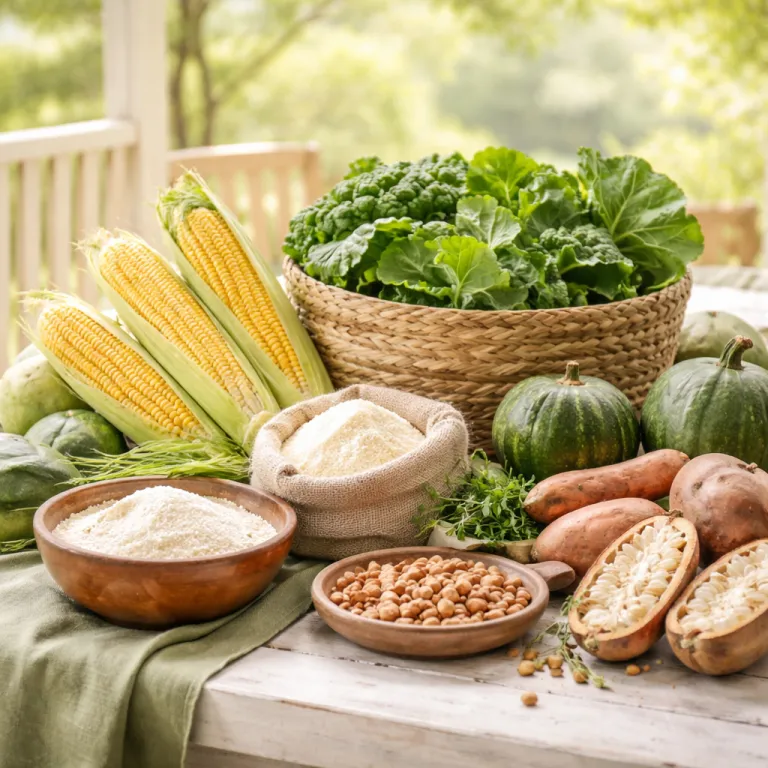
Why June is the quiet revolution in bush dining in Zambia
June is when bush dining in Zambia quietly shifts from survival mode to something close to culinary theatre. By the time you arrive, supply chains that were tentative in April are running smoothly, lodge gardens are producing confidently and chefs finally have the freedom to design a bush dining Zambia June menu rather than just keep guests fed. For a couple planning a romantic luxury safari, that difference in the African bush is the line between a pleasant camp dinner and a dining experience that feels worth crossing Africa for.
Across Zambia, from the Luangwa River to the Zambezi River, many a bush camp only fully settles into its stride once the early dry season is established. In June the best time for produce begins, with leafy greens, herbs and citrus thriving in cooler nights, while river fish from the Lower Zambezi and the Luangwa are still plentiful before water levels drop further. Camps that take food seriously treat this month as their seasonal menu launch, mirroring how leading restaurants use June to showcase farm to table dining and sustainable sourcing when local gardens and partner farms are at their peak.
The contrast with late season is marked in every national park, whether you are in South Luangwa or Lower Zambezi. In October, the focus leans towards game drives and game viewing intensity, while June allows a more balanced rhythm between wildlife and the plate, with walking safaris and canoe safaris dovetailing into slower, more considered dinners. For couples, that means you can plan a day where a morning game drive, an afternoon sunset cruise and an unhurried bush dining experience all feel equally central to the trip rather than rushed add ons.
What actually lands on a June plate in the African bush
At the better luxury lodge kitchens, June is when menus are rewritten around what the African bush and nearby communities can genuinely supply. You see it in the salads built from early dry season rocket, spinach and herbs grown in Mfuwe community gardens near South Luangwa, such as the Mfuwe Day Secondary School garden project supported by local lodges, and in citrus driven dressings that rely on lemons and oranges that simply will not be as bright by the time the hottest safaris of the year arrive. River fish such as bream and tigerfish, still abundant in sections of the Zambezi River and Luangwa River, appear grilled over charcoal or baked whole with white wine and garden fennel.
Chefs talk about this month as their reset, the moment when last season’s menus finally give way to dishes that match the light and temperature of June evenings. In practice, that means lighter sauces, more fresh vegetables and a willingness to stage dinner outside the main lodge, turning a simple meal into bush dining under a white tablecloth and a sky full of stars. For couples, this is the best time to request a private dining experience, because kitchens are not yet stretched by peak season numbers and can still tailor a game friendly menu around your preferences.
Luxury safari operators that take food seriously behave much like high end seasonal restaurants in other parts of Africa or even South Africa, where menu planning in May leads to a June launch that runs through the core of the dry season. Their chefs use methods that echo leading seasonal kitchens worldwide, incorporating seasonal produce, updating menu offerings and using customer feedback to refine dishes, exactly as a city restaurant might do when it introduces new dishes featuring seasonal ingredients. If you want to go deeper into how these properties think about gastronomy, read our guide to gourmet dining experiences on luxury booking platforms in Zambia before you choose your camp.
The June rhythm: from game drive to sundowner to bush dinner
June light in Zambia lingers just long enough to stretch the golden hour, which changes the entire cadence of a safari day. Morning game drives leave in the chill, track wildlife as the African bush warms and return in time for a late breakfast that feels more like brunch, while walking safaris in South Luangwa or Lower Zambezi fill the late morning with slower, more sensory encounters. Because the heat is still manageable, couples can afford a lighter lunch, a plunge pool session back at the lodge and a proper reset before the evening game drive.
That evening sequence is where bush dining Zambia June really earns its reputation among repeat travelers. You head out on a game drive or even a short walking safari, pause for a Zambezi River or Luangwa River sundowner, then roll straight into a lantern lit bush dining setup that has been staged while you were watching elephants cross the river. The best camps time this so that the last of the sunset cruise boats on the Zambezi are heading home just as your first course arrives, leaving you with the sounds of wildlife and the crackle of the fire as the only soundtrack.
In this window, dinner is not rushed because the nights are cool but not yet cold, and staff are not under the same pressure as in peak season when every table is full. Couples celebrating an anniversary or honeymoon can ask for a special occasion dinner that is genuinely bespoke, rather than the photographed but quick version that sometimes appears when a camp is at full capacity. For a clear sense of what to expect on the plate and how lodges handle preferences, our detailed guide on what is actually served at a Zambia bush dinner is essential reading before you book.
Where to book for June: valleys, rivers and hotel style lodges
For couples who want bush dining Zambia June to be the anchor of their trip, the choice of region matters as much as the choice of room. South Luangwa and the Luangwa River system excel at walking safaris and intimate bush camp setups, which naturally lend themselves to fireside dinners and flexible menus that can be adjusted after a long day on foot. Lower Zambezi, by contrast, leans into the Zambezi River and its channels, where canoe safaris, catch and release game fishing and sunset cruises feed directly into riverfront dining experiences heavy on fresh fish and citrus.
Closer to Victoria Falls, the Royal Livingstone and neighbouring luxury lodge properties operate more like classic hotels, but June still shapes their outdoor dining. The spray from the falls is lower, evenings are clearer and riverside lawns become prime territory for white linen dinners that feel more formal than a bush camp but still deeply African. Couples who want a mix of wildlife and waterfall drama can split their stay between a national park camp and a Zambezi side lodge, using the hotel nights for spa time and perhaps a bush spa treatment that genuinely earns its place in the itinerary.
One practical note: the camps and lodges with the strongest June dining reputation tend to book out first for that month, especially those with only a handful of rooms and a single, highly regarded chef. If bush dining and a carefully staged dining experience are central to your safari, treat June as a limited edition season and secure your dates at least six to nine months ahead, as you would for a top restaurant reservation. Visit during weekdays to avoid crowds, try the seasonal specials and always check for promotional offers, because even in the luxury safari world, thoughtful timing can free up budget for an extra night or a private sunset cruise.
FAQ
What foods are typically in season for bush dining in Zambia in June ?
June bush dining in Zambia usually features leafy greens, herbs and citrus from lodge gardens, alongside river fish such as bream and tigerfish from the Zambezi River and Luangwa River. These ingredients are at their best time in the early dry season, before heat and water levels change availability. Chefs build menus around this window, so expect fresher, lighter dishes than later in the year.
How long does the early dry season dining window usually last ?
The most distinctive early dry season dining experience generally runs from June through August, mirroring how seasonal restaurants structure their menus around a defined period. Camps often plan menus in May, then serve their core seasonal dishes through the heart of the dry months. By September and October, heat and supply conditions shift, and menus adapt accordingly.
Are vegetarian or plant forward options easy to arrange on safari ?
Most luxury safari camps and lodges in Zambia can provide vegetarian and plant forward menus if told in advance. The strength of June is that gardens and local farms are productive, so chefs have more vegetables, grains and pulses to work with. You should always share your preferences before arrival, then confirm them with the chef or camp manager on the first day.
How do lodges source ingredients for bush kitchens in remote areas ?
Remote bush camp kitchens rely on a mix of lodge gardens, regional farmers and scheduled supply runs from larger towns. Many properties now work with local supplier partnerships and farmer networks, echoing the farm to table approach used by leading seasonal restaurants. This model supports local agriculture and helps keep menus fresh even far from cities.
What can I expect from service and consistency at seasonal bush kitchens ?
Well run bush kitchens track guest feedback and adjust menus during the season, much like serious restaurants do. Instead of quoting a single statistic, operators such as Time + Tide, Chiawa Safaris and The Bushcamp Company publicly highlight repeat guest rates and positive reviews as evidence that a focus on seasonal menu rotations and sustainable sourcing improves satisfaction. That kind of data informed approach is increasingly common at top end safari lodges in Zambia.