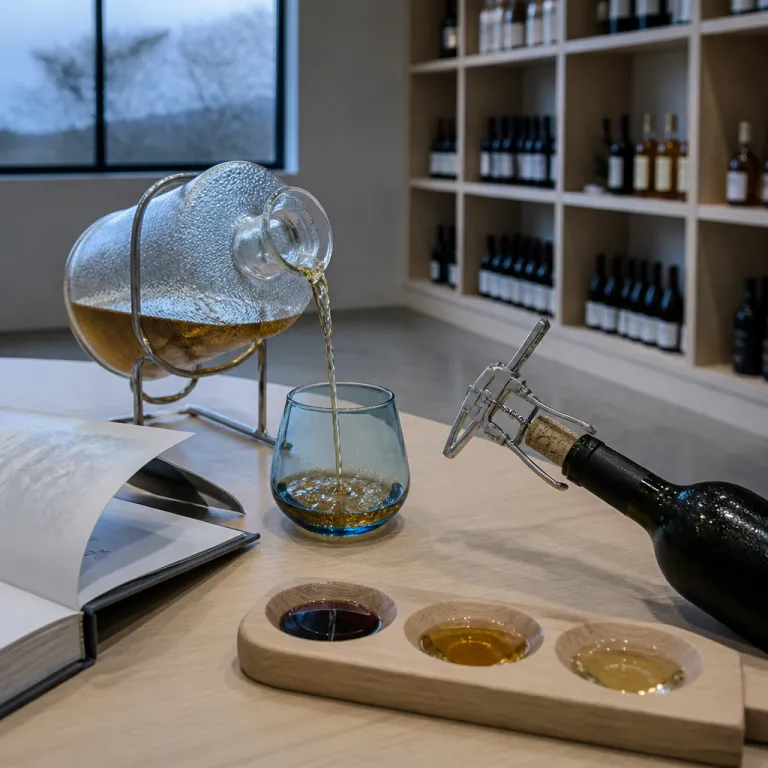
How luxury safari dining in Zambia finally took its cellars seriously
Luxury safari dining in Zambia has shifted from pleasant to genuinely ambitious. In the space of a few seasons, the wine and whisky programmes at leading safari lodges have begun to match the drama of the Zambezi River, the Luangwa River and the vast national parks. For Business Leisure travellers used to polished hotels in South Africa or Europe, this change means you can now plan a Zambia safari around both game drives and what is poured into your glass.
The catalyst has been a new generation of owners and suppliers who treat the cellar as seriously as the tented camp design or the safari lodge guiding team. Properties along the Lower Zambezi and in South Luangwa have moved beyond a token South African Cabernet to curated lists that speak fluently about Swartland Syrah, Hemel en Aarde Pinot Noir and Cape Bordeaux blends. In parallel, whisky and after dinner spirits have become a quiet arms race, with remote bush camps now offering single malts and small batch bourbons where once there was only blended Scotch.
This evolution is not happening in isolation from the rest of Africa. Zambia luxury travellers are benefitting from the maturity of the South African wine industry, better cold chain logistics up to Lusaka and Livingstone, and specialist retailers such as Bush Cellars Zambia who understand the demands of safari lodges. The result is that luxury safari dining in Zambia can now credibly compete with the best safari experiences in neighbouring countries, while still feeling rooted in Zambia’s rivers, parks and bush camps rather than imported hotel culture.
Reading a lodge wine list in ten seconds flat
When you sit down to dinner at a luxury lodge after a long day of game drives, you do not want to decode a confusing wine list. A quick scan can tell you whether the property treats wine as a serious part of luxury safari dining in Zambia or as a perfunctory add on. Start by looking for depth from a handful of producers rather than a scatter of marquee labels from across Africa and Europe.
If you see several vintages from one respected South African estate, that usually signals a cellar with intent rather than a hotel buying whatever is on promotion. Check whether the list offers Cape Bordeaux blends, Swartland Syrah and Hemel en Aarde Pinot Noir by the glass, because this shows confidence in both storage and turnover. A thoughtful Zambia safari lodge will also list at least one textured white for bush dinners, such as a wooded Chenin, alongside lighter styles for hot afternoons on the Zambezi River or Luangwa River.
Temperature is the next quick test, especially in south Luangwa, Lower Zambezi and Kafue National Park where days run hot and camps sit far from major towns. Ask which reds are kept in a cool room and whether whites are chilled but not frozen, then notice how quickly the team adjusts if you send a glass back. For a deeper dive into how lodges handle food itself, including picky eaters at bush camp dinners, read this guide to what is actually on the plate at a Zambia bush dinner, then use that context to judge whether the wine list is supporting the kitchen or simply decorating it.
The South African backbone and where it shows up in the bush
South African wine is the quiet backbone of most serious cellars supporting luxury safari dining in Zambia. From Lusaka hotels to remote safari lodges on the Zambezi River, the best safari properties now lean on Cape producers for consistency, value and a style that suits African safari food. You will see this most clearly in the way Royal Zambezi Lodge, Lolebezi and Sausage Tree Camp build their lists around a core of Cape Bordeaux blends, Swartland Syrah and cool climate Chardonnay.
On the Lower Zambezi, a well run safari lodge will pour a structured red with slow cooked game at a private riverbank dinner, then switch to a bright Chenin for grilled bream at lunch. In south Luangwa and Luangwa National Park, camps with ambition are starting to hold back vintages, offering mature bottles that show how seriously they treat storage in the heat of Zambia. This is where the partnership between lodges and specialist suppliers such as Bush Cellars Zambia matters, because curated selections and proper logistics allow a tented camp to serve wines at the correct temperature even when it sits hours from the nearest town.
For Business Leisure travellers planning zambia safaris around both wildlife and wine, it is worth asking reservations for a current list before you book. Some luxury lodges will happily email their cellar highlights, including which wines are available by the glass and which are reserved for special occasions. To understand how these choices fit into the broader landscape of gourmet hotel dining, explore this overview of gourmet dining experiences on Zambia’s luxury hotel booking platforms and then shortlist the properties whose wine language matches your own.
Whisky, Cognac and the art of the after dinner pour
In the past, whisky at a Zambia safari lodge meant a single blended Scotch perched next to the gin on a sideboard. That era is fading fast as luxury safari dining in Zambia extends beyond the plate into serious after dinner spirits. Today, the most ambitious lodges treat whisky and Cognac as part of their identity, not just a marketing flourish on a website.
Look for a bar that carries a spread of single malts from different regions, a few well chosen Japanese or Irish bottles and at least one small batch bourbon. When a camp in South Luangwa or Lower Zambezi lists age statements and specific cask finishes, you know someone has thought about how those flavours will work after a rich bush dinner. The same applies to Cognac and Armagnac, where a choice of houses and ages signals a cellar that deserves its name.
This is where Bush Cellars Zambia has quietly changed the game for both lodges and travellers. As they put it, “A diverse selection including reds, whites, and rosés.” and “Yes, regular whisky tasting events are held.” and “Yes, available on their official website.” — that combination of breadth, education and access has helped raise expectations across Zambia. For Business Leisure guests, the practical move is to email reservations before arrival and ask whether the lodge can source a particular bottle through partners in Lusaka, then treat anything extra on the shelf as a pleasant surprise rather than a guarantee.
Pairing reality, special bottles and the cellars worth planning around
Wine pairing at a bush camp dinner is often more approximate than the marketing suggests. In many Zambia safari lodges, the same red and white will be poured for every course, which is perfectly fine if the wines are well chosen and served at the right temperature. The key is to understand when to lean into the pairing and when to simply drink what you enjoy while the hippos call from the river.
When a lodge talks about pairing menus, ask who actually selects the wines and whether there is a trained sommelier on site. In properties such as Royal Zambezi Lodge, Lolebezi and Sausage Tree Camp, there is usually at least one team member who can explain why a particular Swartland Syrah works with grilled kudu or why a Cape Bordeaux blend suits slow cooked oxtail. In other camps across South Luangwa, Kafue National Park and around Victoria Falls, the approach is more relaxed, with staff recommending a reliable house red or white for most meals.
For Business Leisure travellers, the “special bottle” question matters when you are hosting clients or celebrating a deal at a private dinner on the Zambezi River or near Victoria Falls. If the occasion is critical, pre arrange a specific bottle through reservations and confirm storage conditions, especially in remote national parks far from Lusaka or Livingstone. When you want to build an itinerary around cellars as well as wildlife, focus on Lower Zambezi, South Luangwa and selected properties near Livingstone, then use this guide to refined riverfront stays near Victoria Falls to anchor the start or end of your trip with a hotel whose wine and whisky lists genuinely match the best safari experiences in Africa.
FAQ
How serious are wine programmes at Zambia’s luxury safari lodges now ?
Top end safari lodges in Zambia now treat wine as a core part of the guest experience rather than an afterthought. You will find structured lists built around South African producers, with multiple vintages and several options by the glass. The most ambitious properties in Lower Zambezi, South Luangwa and around Livingstone now hold back bottles and manage temperature carefully, which was rare in the past.
Can I arrange a specific wine or whisky before my Zambia safari trip ?
Yes, many luxury lodges will work with suppliers in Lusaka to source particular wines or whiskies if you request them in advance. The best approach is to email reservations with your wish list at least a few weeks before arrival, then ask how they handle storage and serving temperature. Expect a surcharge for rare bottles and remember that logistics into remote national parks can limit what is realistically possible.
What should I look for on a lodge wine list to judge quality quickly ?
Scan for depth from a few respected producers, multiple vintages and serious South African categories such as Cape Bordeaux blends, Swartland Syrah and Hemel en Aarde Pinot Noir. Check how many wines are available by the glass, because this reveals confidence in turnover and storage. Finally, ask how reds and whites are stored in the heat, since correct temperature is often the difference between a good and a great glass on safari.
Are whisky and Cognac selections really better in remote bush camps now ?
In leading camps the answer is yes, especially in Lower Zambezi and South Luangwa where owners have invested in proper bars. You will increasingly see single malts with age statements, small batch bourbons and a choice of Cognac houses rather than a single generic bottle. That said, selection still varies widely, so Business Leisure travellers should ask for a current list if after dinner spirits are a priority.
Where can I taste wines and whiskies in Zambia outside the lodges ?
Lusaka has become the main hub for tasting, with specialist retailers such as Bush Cellars Zambia hosting regular events. These tastings are useful if you want to understand the South African and international wines that later appear on lodge lists. Checking an online catalogue before you travel can also help you recognise labels and styles once you are on safari.