From green season to game country: how Zambia’s valleys reset
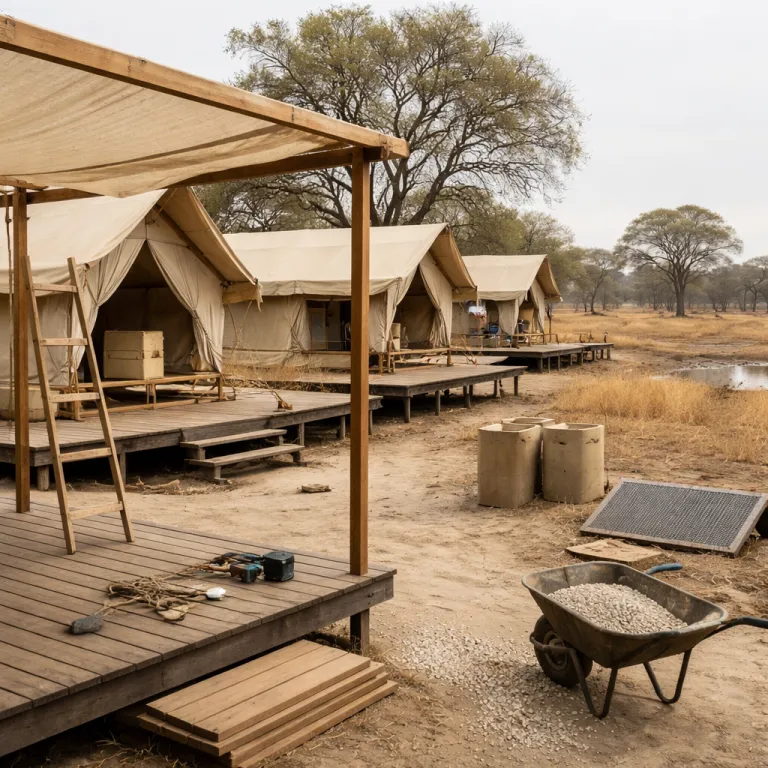
By June, Zambia has quietly shifted from lush to lean, and the first serious Zambia dry season safari camps reopen their riverfront decks. As daytime temperatures hover in the mid‑20s Celsius and rainfall drops to negligible levels, the bush in each national park begins a different kind of retreat, pulling wildlife towards water and reshaping every safari route you will drive. This is the time when a Zambia safari stops being about scenery and becomes about concentrated wildlife viewing.
In South Luangwa, the main river pulls back into a single muscular channel, and the oxbow lagoons shrink into polished mirrors of water that trap game in plain sight. Guides in these safari camps talk about this season as “reading the valley” because every track in the dust, every alarm call, turns the landscape into a book you can actually read. The same logic plays out in North Luangwa and in the wide floodplains of Kafue National Park, but the tempo of the dry season is different in each valley.
Lower Zambezi takes longer to dry, because the Zambezi River keeps feeding side channels that still carry boat traffic when Luangwa national areas are already fully land based. By late July, many camps along the Zambezi National Park stretch pivot from boat safaris to a blend of canoeing and game drives, following elephants that now cross exposed sandbanks. Across Africa, few places show this seasonal choreography as clearly as safari Zambia does between June and September.
For luxury travelers choosing the right time to visit, this shift is not abstract ecology but a concrete comfort question. Night temperatures in South Luangwa can drop close to single digits Celsius, so high end camp teams quietly add hot water bottles to beds and turn fire pits into genuine social hubs instead of decorative features. Many of the most sought after safari camps in Zambia also bring in extra specialist guides for walking safaris during this dry season window, expanding their guiding roster to match the intensity of game viewing.
How routes, rates and rituals change between June and August
Once the dry season settles, the physical map of every camp’s activities changes, and that is where the price jump between June and August starts to make sense. In South Luangwa National Park, floodplains that were off limits in the rains harden into new game drive loops, so your guide can track lions across country that simply did not exist as a road a few weeks earlier. The same 4x4 vehicles now run longer routes, with night drives added as standard, using safety equipment and spotlights to extend your wildlife viewing deep into the dark.
In Kafue national areas, the drying happens faster than in Lower Zambezi, so June already feels like classic dry season, with game concentrated along the main rivers and remaining waterholes. Camps there often open photographic hides near water, turning a single pool into an all day theatre of elephants, antelope and predators, while staff rotations bring in guides who specialise in walking safaris and birding. By August, the game viewing pressure around each remaining patch of water is intense, and that density is exactly what couples are paying a noticeable premium for compared with early season.
Rates also reflect the extra logistics that guests rarely see. Camps in remote corners of North Luangwa and along the Zambezi River in Lower Zambezi National Park must fly in more provisions as road access shrinks, while maintaining eco friendly practices that keep their footprint light. Behind the scenes, teams adjust camp operations daily, from generator schedules to laundry cycles, to match cooler nights and hotter, dustier afternoons.
For couples planning a first safari Zambia journey, this is where a curated booking platform such as myzambiastay.com earns its keep. Our reviews of elegant properties in and around South Luangwa, including an in depth guide to luxury stays and safaris in South Luangwa National Park, explain which camps justify peak rates with serious guiding and which simply ride the season. We are affiliated with the camps we feature, but we cross‑check operating dates and seasonal patterns against park authority information and long term climate data so you can see how time, park location and camp philosophy combine to create very different experiences between June and September.
From boats to boots: activity pivots along the Zambezi and Luangwa
The most dramatic operational shift in Zambia dry season safari camps happens on the water, especially along the Zambezi River and in the lagoons of Luangwa national areas. Early in the season, Lower Zambezi camps lean heavily on boat safaris and canoe trips, skimming past pods of hippo and crocodiles that line the channels. As the dry season deepens and water levels fall, those same camps gradually pivot towards land based game drives and more intensive walking safaris, because some channels become too shallow or fragmented to navigate safely.
South Luangwa is the spiritual home of walking safaris in Africa, and the dry season is when that heritage really shows. Many camps run dedicated walking safaris out of simple fly camps, using the main camp as a base and then stepping out for one or two nights under canvas, following game on foot between shrinking lagoons. The experience is not about a camp plunge pool but about the hippo pod your guide skirts at first light, reading wind direction and animal behaviour with a precision that justifies the premium.
In Zambezi National Park and around Victoria Falls, the pattern is different again, because the falls themselves remain a major draw even when the surrounding bush is dry. Couples often split time between a Victoria Falls lodge and a Lower Zambezi or South Luangwa camp, using the falls for soft adventure before moving into serious wildlife viewing territory. That combination works especially well in late July and August, when game viewing is at its peak and the spray from Victoria Falls offers a cool contrast to dusty afternoons in camp.
Night drives become more important as the dry season progresses, particularly in South Luangwa and some parts of Kafue National Park where leopard densities are high. For a deeper sense of how these after dark activities fit into a wider safari Zambia itinerary, our feature on photographic hides and night drives in Zambia breaks down which camps execute them with real finesse. It is this layering of day and night activities, water and land safaris, that turns a simple Zambia safari into a nuanced, season aware journey.
Choosing your week: value, culture and the quieter edges of peak season
For couples using a premium booking site to plan Zambia dry season safari camps, the most useful question is not just which month to travel but which specific week between June and September. June often offers the best value to sighting ratio, because game is already concentrating around water while rates have not yet hit their August peak. You also see the landscape in transition, with a mix of green and gold that makes both game drives and walking safaris feel more textured.
By late August and early September, the bush is at its thinnest, and wildlife viewing is at its most predictable, but some guests find the light harsher and the air dustier. This is when national parks such as South Luangwa, Lower Zambezi and Kafue National Park can feel busier around key sightings, even if overall visitor numbers in Zambia remain modest compared with other parts of Africa. If you value a quieter campfire and more flexible game drive routing, the shoulder weeks at either end of the dry season can be a smarter time to visit.
There is also a cultural dimension that many luxury travelers now factor into their Zambia safari planning. Some of the most thoughtful safari camps partner with local guides and conservation organisations to offer village visits and community projects that respect local rhythms rather than staging performances for cameras, and our guide to where cultural visits in Zambia are done with respect helps you read these offers critically. When you align your chosen camp, your preferred week in the dry season and your appetite for cultural engagement, the result is a safari Zambia journey that feels both luxurious and grounded.
Practical preparation matters as much as timing. Pack light clothing for warm days, but include layers for cold mornings on the vehicle, bring good binoculars for long range game viewing and use insect repellent even though malaria risk is generally lower in the dry season. As one of our reference guides puts it succinctly, “Elephants, lions, leopards, and various antelope species” are all visible in this season, and “Many camps close during the wet season” so planning around the dry months is essential.
FAQ
What wildlife can I expect to see in Zambia’s dry season?
During the dry season in Zambia, wildlife viewing concentrates around remaining water sources in each national park. Guests commonly see elephants, lions, leopards and a wide range of antelope on game drives and walking safaris, especially in South Luangwa, North Luangwa, Lower Zambezi and Kafue national areas. Predator sightings generally increase from July onwards as vegetation thins and animals spend more time in the open.
Are Zambia’s safari camps open all year?
Many of the most sought after safari camps in Zambia are seasonal and close during the heavy rains, when access roads become difficult and some river crossings are unsafe. The core operating window for Zambia dry season safari camps typically runs from June to September, with a few properties opening slightly earlier or closing later depending on local conditions. If you are set on a specific camp or park, check its exact dates with the operator or park authority before fixing your international flights.
Is malaria a concern during the dry season?
Malaria risk is generally lower in the dry season because there is less standing water for mosquitoes, especially in areas around South Luangwa and Lower Zambezi. However, medical advisers still recommend standard precautions, including prophylactic medication, long sleeves in the evening and effective insect repellent. Luxury camps usually provide nets and sprays in every tent or suite, but you should still consult your doctor or travel clinic before travel.
How cold does it get on morning and night drives?
In valleys such as South Luangwa and Lower Zambezi, early morning and late evening temperatures can drop to around 5–8 °C even when daytime highs feel warm. Open vehicles used for game drives expose you to wind chill, so high end camps provide blankets and sometimes hot water bottles for added comfort. Packing a light down jacket, a beanie and gloves will make those prime wildlife viewing hours far more enjoyable.
When is the best balance between price and sightings?
For many couples, the sweet spot in a Zambia safari calendar is June or early July, when wildlife is already concentrating around water but peak season premiums have not fully kicked in. Game viewing is strong, landscapes retain some green and camps are slightly quieter than in August, which is the most expensive and most popular month. Using a specialist platform to compare camps across South Luangwa, Lower Zambezi and Kafue National Park helps you match your budget with the level of guiding and comfort you expect.