Why September is the quiet luxury moment for a Zambia safari
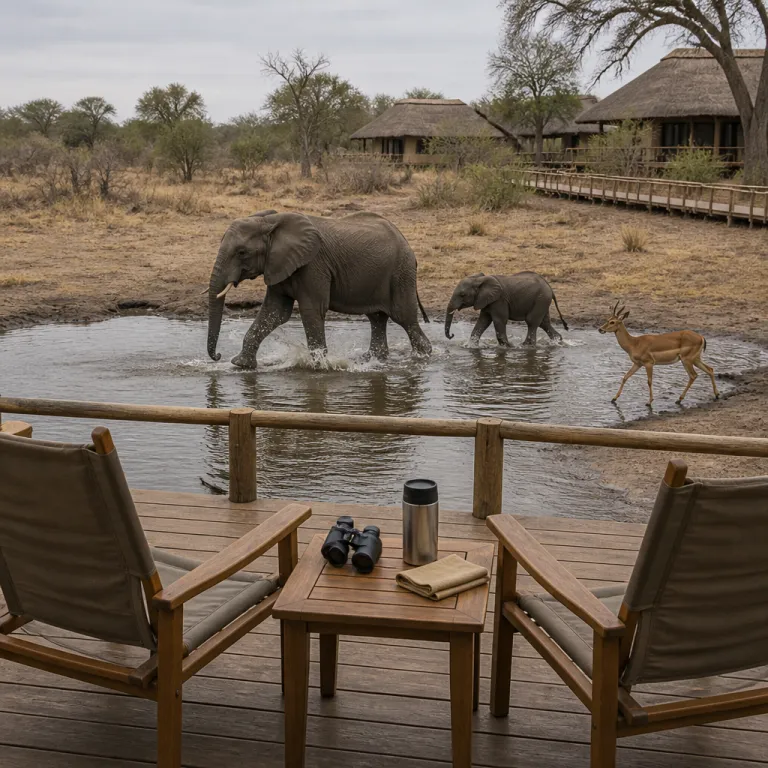
September in Zambia is the rare alignment of peak wildlife and softer pricing, the true late dry season sweet spot that seasoned travellers quietly favour. By this stage of the long dry season, water sources have shrunk to their bare essentials, and a very high proportion of local wildlife is drawn to remaining pools and river margins for intense game viewing. This is the best time for families to visit Zambia if they want serious safari without the full peak month crowds.
Across every major national park, from South Luangwa National Park to Lower Zambezi National Park and Kafue National Park, the landscape has faded to blond grass and exposed earth, which makes each safari drive feel like a live documentary. The dry air, minimal rain and average daytime temperature around 30 °C, as reported by the Zambia Meteorological Department for early spring, create clear light for photography, while the lack of humidity keeps most days surprisingly comfortable in the shade. Warmth builds through the month, so the best time for activities is early morning and late afternoon, when wildlife is active and the light over the Luangwa and Zambezi rivers turns copper.
For premium travellers, this shoulder period is about more than rates; it is about time and space. The July and August rush has eased, so you can visit a national park and often have a lion sighting shared with just one or two vehicles, which is rare in much of Africa now. Zambia’s annual international visitor arrivals, which passed one million in recent pre-pandemic years according to national tourism statistics, are still modest compared with neighbouring safari hubs, and in September that translates into quieter camps, more flexible days and a level of personalised guiding that is harder to secure in the earlier dry season peak.
South Luangwa and the Luangwa Valley: leopard country at its September best
South Luangwa is the park that turns the September safari window from a good idea into a compelling plan. By this stage of the dry season, the Luangwa River has pulled back into a sinuous channel, leaving oxbow lagoons as isolated water sources that concentrate wildlife with ruthless efficiency. This is the best time to visit South Luangwa for leopard, with sightings along the riverine woodland often stacking up across just a few days.
Luxury camps along the South Luangwa National Park boundary and inside the reserve lean into this season with extended night drives, long morning game viewing loops and serious walking safaris that start at first light. Carmine bee-eaters tunnel into the sandy banks, turning sections of the river into a moving red and turquoise curtain, while elephant herds file down to drink in the last cool time of day before the heat settles. If you want an insider view of elevated stays in the Luangwa Valley, the detailed guide on Africa’s wild heart lodges is a strong starting point for choosing the right camp for your family.
Birders will find that September bridges two worlds in this national park, sitting between the crisp early dry season and the first hints of the coming wet season. It is not classic rainy season birding, yet migrant arrivals and those carmine colonies make this month a standout for Zambia’s dry season birding, which is honestly assessed in the specialist piece on what you will and will not see between June and October. For families, the combination of short transfer times, compact territories and high density wildlife means less time in vehicles and more time actually watching the bush work.
Lower Zambezi and Kafue: rivers, floodplains and shoulder season value
Shift your gaze south and you reach Lower Zambezi National Park, where the Zambezi River becomes the main stage for late dry season safaris in Zambia. Here the dry season has pulled most grazing wildlife down from the escarpment to the river terraces, so game viewing happens not only from vehicles but also from boats and canoes that slide between pods of hippo and drinking elephant. This is the best time to visit if you want that classic image of a bull elephant half submerged, framed by the hazy line of Zimbabwe’s hills beyond.
Water levels in the main Zambezi channel remain high enough for relaxed boat cruises, yet side channels and lagoons have shrunk, sharpening predator–prey interactions at the remaining water sources. Camps in the Lower Zambezi often start to close later in the year, typically from late October or November when the first storms arrive, so September sits in a sweet spot where operations are in full swing but the crowds have thinned and shoulder season offers begin to appear. On the opposite side of the country, Kafue National Park and especially the Busanga Plains are drying out, turning from wet season marsh into a vast golden stage where roan, sable and lion share the same open views.
Premium families weighing up where to visit Zambia in this month should think in terms of contrast rather than competition between these national parks. Lower Zambezi is about water, canoe channels and that constant river energy, while Kafue National Park is about big skies, fewer vehicles and a sense of time stretching out. For a broader view of how these destinations fit into refined Zambia safari planning, the editorial overview on safaris for discerning travellers sets out which parks excel for which style of trip.
Designing a September itinerary: family friendly lodges, Victoria Falls and practical timing
When you design a Zambia September safari itinerary for a premium family, start with the rhythm of your days rather than a list of parks. Early mornings are non-negotiable in this month, with wake-up calls before sunrise, a quick coffee and then three to four hours of game viewing while temperatures are still gentle. Afternoons are for pool time, shaded decks and perhaps a short walking safari before an evening drive that runs into darkness.
Many luxury lodges in South Luangwa, Lower Zambezi and Kafue now offer dedicated family suites, flexible meal times and child-friendly guiding, which makes this season especially practical for those tied to school calendars. September often brings shoulder season offers such as stay-four-pay-three nights or reduced child rates, which can materially change the overall cost of a multi-park trip. Because this is still the dry season, internal flights run reliably and road transfers remain on firm ground, unlike in the later wet season when heavy rain can disrupt timings.
Victoria Falls deserves careful thought in this month, as water levels on the Zambezi above the falls are dropping after the earlier flood peak. On the Zambian side, this can mean clearer rock faces and more defined cascades, while the Zimbabwean side often holds more continuous water, so many travellers choose to visit both sides over one or two days. If you are tempted to combine gorilla trekking in another African country with a visit to Zambia, keep it as a separate trip rather than forcing everything into one month, because September here is simply too strong a shoulder season to rush.
FAQ
Is September a good time for a safari in Zambia?
Yes, September offers peak wildlife viewing with fewer crowds. This month sits deep in the dry season, so animals gather at limited water sources and are easier to see. For many travellers, it is the best time to visit Zambia for concentrated game viewing without peak season pressure.
What is the weather like in Zambia in September?
The conditions are warm and dry, with average daytime temperatures around 30 °C and very little rainfall. Heat builds through the month, so early and late activities are most comfortable, while midday is best spent resting in camp.
Are there many tourists in Zambia during September?
There are fewer tourists compared to the earlier peak months, which creates a more intimate experience in each national park. You still need to book premium lodges in advance, but sightings feel calmer and less crowded.
How many days should I plan for a September safari in Zambia?
For a first Zambia safari in this shoulder season, plan at least seven to ten days split between two national parks. That allows time to settle into camp life, enjoy both game drives and walking safaris, and possibly add Victoria Falls at the start or end. Families with school constraints can still achieve strong wildlife viewing with a focused five or six night trip.
Can I combine Victoria Falls with South Luangwa or Lower Zambezi in September?
Combining Victoria Falls with either South Luangwa or Lower Zambezi works very well in this month. Flight connections via Lusaka make it straightforward to visit the falls for one or two nights before heading into a national park. The contrast between the Zambezi River gorge and the dry season bush adds welcome variety to a single trip.