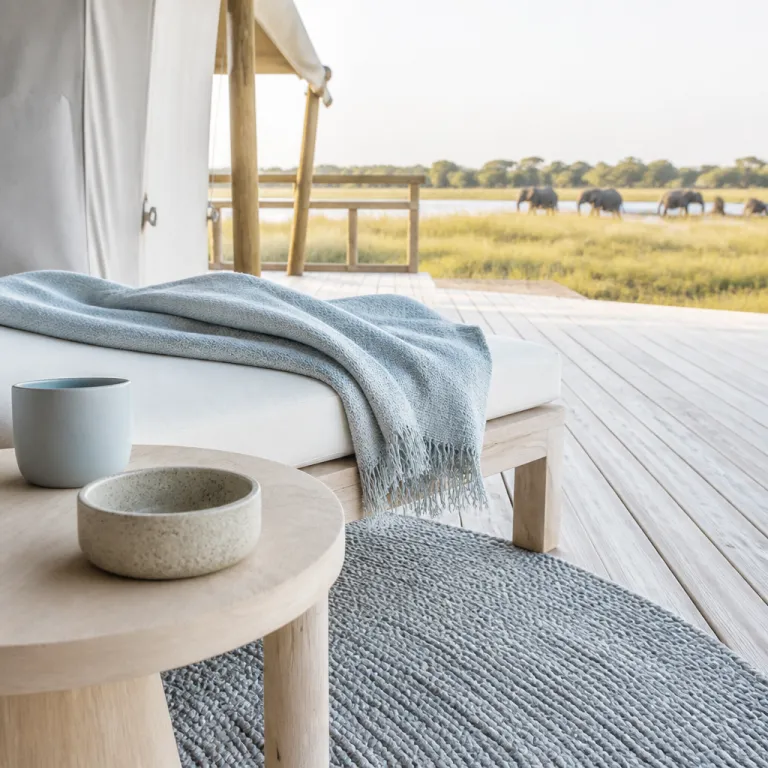
Why Zambia safaris suit luxury travellers seeking space, style and authenticity
Zambia sits at the quiet heart of southern Africa and rewards travellers who value privacy. High-end Zambia safaris focus on generous space, attentive service and access to wildlife that feels almost private, especially in the great national parks. For guests planning a luxury trip, the combination of refined accommodation and low visitor numbers creates a rare sense of exclusivity.
Across Zambia, each safari camp is typically set along a river or lagoon, with only a handful of suites or tents. This keeps game viewing uncrowded and allows guides to tailor activities such as walking, canoe excursions and game drives to your pace and interests. When you visit Zambia for a Zambia safari, you experience a style of hosting that feels personal rather than scripted, which many repeat guests rate as the best in the region; one couple recently described their stay in South Luangwa as “like being welcomed into a private home, but with elephants outside the window and a guide who knew every bend of the river by name”.
The Zambia Tourism Agency promotes this quieter approach to tourism and works closely with safari operators and bush camp owners. Their shared goal is to grow luxury safaris while protecting wildlife and supporting local communities in and around the national parks. As a result, Zambia safaris often combine five star comfort with a strong conservation ethos, which appeals to travellers who want their trip to have a positive impact and who appreciate transparent park fees and community levies that directly support conservation projects.
Choosing the right national parks for a luxury Zambia safari itinerary
Planning Zambia safaris starts with understanding how different national parks complement one another. South Luangwa, Lower Zambezi and Kafue National Park each offer distinct landscapes, wildlife densities and styles of camp, which is why many travellers combine them in a single trip. A carefully routed three park Zambia safari allows you to experience varied ecosystems without sacrificing comfort or time.
South Luangwa National Park in the east of Zambia is famous for walking safaris and leopard sightings. Here, the Luangwa River shapes a mosaic of oxbow lagoons and ebony groves, and many luxury lodges and bush camp properties sit right on the riverbank. For detailed routing ideas between South Luangwa, Lower Zambezi and Kafue National Park, you can consult this guide to a three park Zambia safari itinerary that balances transfers, game viewing and rest days.
Lower Zambezi National Park lies along the Zambezi River opposite Zimbabwe and offers a different style of Zambia safari. Here, luxury camps overlook the water, and activities include canoeing, boating and game drives on the floodplains, which are ideal for elephant and buffalo sightings. Kafue National Park, including the remote Busanga Plains, rewards guests who value wilderness and variety, with fewer vehicles and a strong sense of being far from the crowds of South Africa or other parts of Africa; light aircraft flights between these parks usually take under two hours, keeping travel days manageable and allowing you to link remote areas without long road transfers.
Inside South Luangwa and its legendary walking safaris and bush camps
South Luangwa is often described as the spiritual home of the walking safari in Africa. The region pioneered guided walking safaris, and today many luxury camps still place walking at the centre of their activities, supported by highly trained guides and armed scouts. When asked whether walking safaris are safe, experts consistently explain that they are considered low risk when led by experienced, licensed professionals who follow strict protocols and keep group sizes small.
Along the Luangwa River, intimate bush camp properties open seasonally to follow the best game viewing, often with only four to six rooms. Guests can spend a few nights at a main riverside lodge, then walk between smaller camps, enjoying a different section of the national park each day. This style of Zambia safari offers a deep connection to wildlife, as you read tracks, listen to bird calls and feel the changing light rather than simply driving between sightings; one guide in the Mfuwe sector describes it as “reading a living story written in footprints and alarm calls”.
Luxury accommodation in South Luangwa ranges from tented suites with plunge pools to elevated tree houses overlooking hippo filled lagoons. Many camps offer flexible activities, so you can choose a walking safari at dawn, a siesta through the heat of the day and an evening game drive that returns after dark for nocturnal wildlife. For travellers comparing options, an elevated tented camp experience such as those highlighted in this overview of elevated safari luxury for Zambia bound travellers shows how design and comfort can enhance the sense of immersion.
Lower Zambezi, Kafue and Liuwa Plain: contrasting luxury safari experiences
Lower Zambezi National Park delivers a water based counterpoint to South Luangwa safaris. Many luxury camps sit directly on the Zambezi River, where guests watch elephants feed on the banks and listen to grunting hippos from their suites. Game drives here focus on the inland floodplains, while boating and canoe activities reveal a different angle on the same wildlife.
Kafue National Park, one of the largest national parks in Africa at over 22,000 square kilometres, offers a sense of scale that appeals to travellers seeking solitude. In the north, the Busanga Plains flood seasonally, attracting large herds and excellent predator action once the waters recede, which makes this area a highlight for serious game viewing. Luxury camps in Kafue National Park often operate as small, owner run properties, with flexible schedules that allow private drives, walking safaris and even hot air ballooning in some seasons.
Liuwa Plain National Park in western Zambia remains one of the most remote parks in the region. Here, a handful of high end camps host guests who are willing to travel further for a unique combination of wildebeest migration, vast skies and cultural history linked to the Lozi people. For travellers mapping out a longer trip, studying a detailed map of Zambia helps you understand how Liuwa Plain, Kafue National Park and the other national parks align with flight routes and river systems, and why combining them requires careful planning of charter flights and road transfers.
Victoria Falls, Lake Kariba and riverside retreats between Zambia and Zimbabwe
Many luxury Zambia safaris begin or end at Victoria Falls, where the Zambezi River plunges into a narrow gorge on the border with Zimbabwe. High end hotels and lodges on the Zambian side offer easy access to the falls, helicopter flights and sunset cruises, which makes this area ideal for a gentle start or finish to a more active safari. The falls area also connects well with both South Luangwa and Lower Zambezi, allowing smooth logistics for multi park itineraries.
Lake Kariba, created by the damming of the Zambezi River, has evolved into a tranquil extension to traditional safaris. Luxury houseboats and lakefront lodges provide a slower rhythm of activities, from fishing and birding to relaxed game viewing along the shoreline. Travellers interested in refined lakefront stays and cross border safaris can explore curated options in this guide to refined lakefront stays and safaris between Zambia and Zimbabwe, which highlights how Kariba complements inland parks.
Combining Victoria Falls, Lake Kariba and one or two national parks creates a balanced trip that mixes spectacle, relaxation and immersive wildlife. This structure works especially well for couples or families who want both high energy activities and quieter days by the water. When you visit Zambia with this kind of itinerary, you experience the Zambezi River in several moods, from thundering falls to mirror calm bays and the gentle drift of sunset cruises.
Best time of year, practical planning and how to choose your camp
For most travellers, the best time for Zambia safaris is the long dry season. From roughly May to October, vegetation thins, wildlife concentrates around rivers and lagoons, and game viewing becomes more predictable across South Luangwa, Lower Zambezi and Kafue National Park. This is also the period when many bush camp properties operate at full capacity, offering the widest choice of luxury accommodation.
The green season, spanning the rains, brings dramatic skies, lush landscapes and excellent birding in several national parks. Some camps close, but those that remain open often offer attractive rates and a quieter atmosphere, which can suit photographers or repeat guests who have already experienced peak season. When planning your trip, consider how the time of year affects access to remote areas such as Liuwa Plain and certain sections of Kafue National Park, where roads may be impassable after heavy rain.
Practicalities matter for a smooth Zambia safari, especially at the luxury level. The Zambia Tourism Agency advises that the best time for a safari in Zambia is the dry season from May to October, that malaria precautions are recommended and that a visa is required for most travellers, so factor these into your planning. When choosing a camp, look beyond decor and focus on guide quality, access to key habitats, the balance between game drives and walking safaris, and whether the style of hosting matches how you like to travel; as a broad guide, premium camps often start from the mid hundreds of US dollars per person per night and rise from there depending on season and exclusivity.
Key figures and conservation focused growth in Zambia safaris
- Zambia currently protects more than a dozen national parks, according to the Zambia Tourism Agency and the Department of National Parks and Wildlife, which underpins the diversity of safari experiences available across the country.
- Birders benefit from several hundred recorded bird species in Zambia, placing the country among the richer birding destinations in Africa for both casual and specialist travellers; official checklists are periodically updated, so figures vary slightly by source.
- Walking safaris, pioneered in South Luangwa, have become a signature activity and are now offered in multiple parks, reflecting a shift towards low impact, high engagement wildlife experiences.
- Recent years have seen a marked increase in eco tourism and the growth of luxury safari lodges, which together support both wildlife conservation and local employment in remote regions.
- Guided safari tours in Zambia’s national parks are structured around wildlife viewing, nature exploration and cultural experiences, aligning guest expectations with conservation and community goals and helping to fund anti-poaching patrols and habitat restoration.
FAQ about luxury Zambia safaris and premium stays
What is the best time for a safari in Zambia ?
The dry season, roughly from May to October, is widely regarded as the best time for a Zambia safari. During these months, wildlife concentrates around rivers and waterholes, making game viewing in South Luangwa, Lower Zambezi and Kafue National Park especially rewarding. Road access to remote bush camp properties is also more reliable in this period.
Are walking safaris safe in Zambia’s national parks ?
Walking safaris in Zambia are considered safe when conducted by experienced, licensed guides and armed scouts. Operators in South Luangwa and other parks follow strict protocols on guest numbers, approach distances and briefings before each walk. This combination of training and regulation allows guests to enjoy close engagement with nature while managing risk responsibly.
Do I need a visa to visit Zambia for a safari trip ?
Most international travellers require a visa to enter Zambia for tourism, including safaris. Many nationalities can obtain visas on arrival at major airports or apply online in advance, but requirements vary, so you should check current regulations before booking flights. Your chosen safari operator or accommodation provider can often advise on the most efficient option for your itinerary.
How do Zambia safaris compare with safaris in South Africa ?
Zambia safaris typically feature fewer vehicles, smaller camps and a stronger emphasis on walking safaris than many areas of South Africa. This creates a more remote, wilderness oriented feel, especially in parks such as South Luangwa, Kafue and Liuwa Plain. Travellers who prioritise polished infrastructure and short internal transfers may prefer South Africa, while those seeking space and immersion often choose Zambia.
What types of luxury accommodation are available on Zambia safaris ?
Luxury accommodation on Zambia safaris ranges from riverfront lodges with suites and pools to intimate bush camp properties with only a few tented rooms. Many camps offer private decks, outdoor showers and fine dining, alongside personalised guiding and flexible activity schedules. When selecting where to stay, consider whether you prefer a permanent lodge with more facilities or a seasonal camp that moves closer to the best wildlife as conditions change.
References
- Zambia Tourism Agency
- Department of National Parks and Wildlife, Zambia
- African Parks