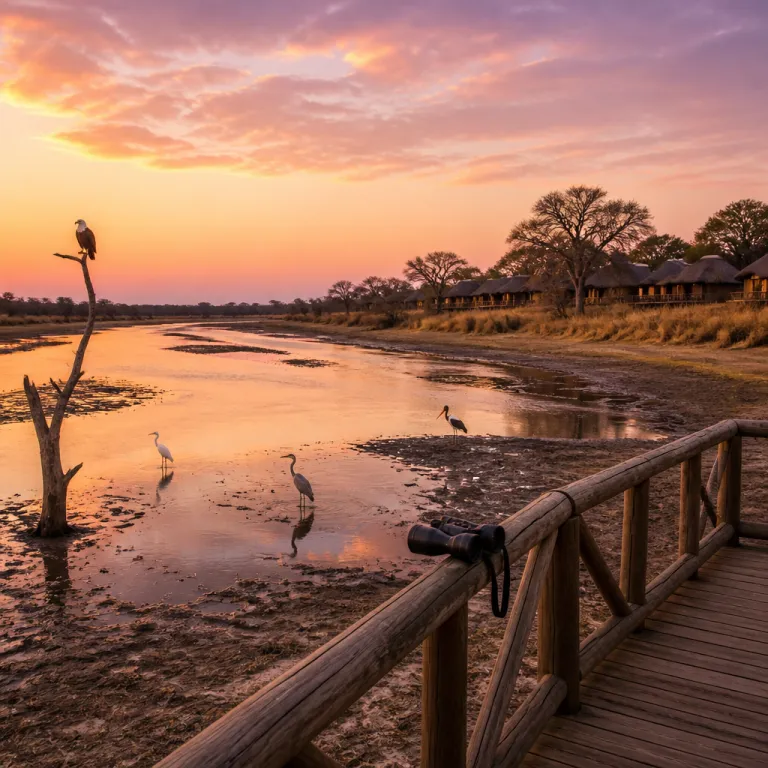
Why a Zambia dry season birding safari deserves a clear eyed look
A Zambia dry season birding safari sits in a different category from the lush emerald months many birders are sold. During this June to October window, the bush thins, water pulls wildlife and bird species into tight focus, and the experience becomes about precision rather than sheer abundance. If you arrive expecting breeding plumage frenzies and drenched wetlands, you will miss the quiet power of raptors circling a shrinking lagoon or a Pel’s fishing owl lifting off from a bare river branch.
Across Zambia, more than 750 bird species have been recorded by regional checklists and park authorities, yet the dry season edits that list to a core cast of residents and a few late migrants. The Zambia Tourism Agency and local birding guides frame this period as optimal for combining game viewing with targeted birdwatching safaris, and they are right when they say the conditions are clean, open and intensely photographic. Their own guidance is blunt and useful for planners: species like African fish eagles and carmine bee-eaters are reliable along major rivers, some migrants arrive late in the season, and October is hot but offers peak wildlife viewing, with visibility at waterholes often doubling compared with May.
For luxury travelers booking through a premium Zambia hotel platform, the key is matching expectations to place and season. A dry season birding itinerary works best when you choose a camp that treats birds as seriously as big game, not as an afterthought. That means asking about guide qualifications, hide infrastructure and how the camp structures time along each river or lagoon, not just how close it is to an airport or to Lusaka. A simple pre-trip checklist helps: confirm whether bird lists are available, ask how many hours per day are typically spent near water, and find out if private vehicles can be arranged for photographers.
South Luangwa’s riverbanks and hides during the dry months
South Luangwa is where a Zambia dry season birding safari truly comes into its own. As the Luangwa River retreats from May into October, sandbars emerge, oxbow lagoons shrink and both wildlife and bird species concentrate along the remaining channels. This is the time when African skimmers nest on exposed sandbanks, when a Pel’s fishing sequence plays out in front of your lens, and when a fishing owl may finally step out of the shadows at dusk.
The south bank of the Luangwa River hosts some of Africa’s most bird-focused camps, with Shenton Safaris’ Kaingo and Mwamba leading the photographic charge. Their hides are engineered for serious birdwatching safaris, from carmine bee-eater colonies in the riverbanks to low-level perspectives on yellow-billed stork gatherings and other waders. At peak, a single bee-eater colony can hold several hundred breeding pairs, and well-designed hides allow you to work at eye level without disturbing the birds. The River Song double-storey star bed, positioned right above the Luangwa, adds an overnight dimension to game viewing and nocturnal listening that suits solo photographers who want to stay with one bend of water all night.
When you book a camp in South Luangwa through a luxury Zambia platform, read the reviews with a birder’s eye rather than a generic safari lens. Look for mentions of bee-eaters, African skimmers and billed stork sightings, not just lions and leopards. If you are curious about how the new generation of river-focused properties is evolving, study a detailed analysis of the Lower Zambezi’s river safari scene on an insider review of a contemporary Zambezi camp and apply the same questions to Luangwa National Park lodges, especially around hide placement, boat access and guide-to-guest ratios.
Carmine bee eaters, skimmers and what the dry season really delivers
The headline act of any Zambia dry season birding safari is the carmine bee-eater colony, and South Luangwa is one of Africa’s most reliable stages. From late August, and especially through September and early October, carmine bee-eaters tunnel into the Luangwa River banks, creating a living wall of colour and sound. For photographers, this is the best time to work on flight shots, backlit silhouettes and intimate portraits of each bee-eater perched above the water, with daily activity peaking in the first two hours after sunrise and again before sunset.
Along the same stretches of river, African skimmers take advantage of exposed sandbars, turning the Luangwa and the Lower Zambezi into parallel theatres. On some islands, dozens of pairs may nest together, with skimmers, terns and plovers sharing the same sand. A well-positioned camp on either river can deliver skimmer nesting behaviour, low-angle Pel’s fishing sequences and mixed flocks of waders that include the occasional billed stork. The trick is to choose a camp that structures its game viewing around the river, not just the inland game drives, and to tell your guide that bird species are your priority from the first afternoon so boat time, hide sessions and walking routes are planned accordingly.
Luxury travelers often ask whether they should split time between Zambia and South Africa for birding, or focus on one national park system. If your heart is set on carmine bee-eaters, African skimmers and concentrated raptors, Zambia’s dry season is hard to beat, especially in South Luangwa and the Lower Zambezi. For those who like to pair serious birding with elevated design and service, it is worth reading how a high-end tented camp is evaluated in a review of elevated safari luxury for Zambia-bound travellers, then applying the same standards to Luangwa and Zambezi properties, from room orientation and hide proximity to how many guests each vehicle carries.
Lower Zambezi, Kafue and how to choose the right camp
On a Zambia dry season birding safari, the Lower Zambezi offers a different rhythm from South Luangwa, with canoe channels, sand islands and wooded escarpments shaping your days. Here, game viewing and birding blend on every outing, as you drift past bee-eaters on the banks, watch a fishing owl in the overhanging branches and scan for billed stork and other waterbirds on the shallows. The river itself becomes the main game drive, and the right camp will offer boat, canoe and walking options to keep your bird list and your images varied.
Further west, Kafue National Park stretches out as one of Africa’s great under-visited wildernesses, and it rewards patient birders in the dry season. The Busanga Plains, in the north of Kafue, hold vast flocks of waterbirds when the remaining pans contract, while the central and southern sectors offer raptors, woodland species and classic game viewing with far fewer vehicles than in South Luangwa. When you compare camps in Kafue National Park on a premium booking site, look for those that mention birdwatching safaris explicitly, not just generic game drives, and ask whether they can arrange specialist bird guides during your stay or provide recent bird checklists from the area.
Access logistics matter for solo travelers planning a Zambia dry season birding safari, especially when routing through Lusaka airport and connecting to remote airstrips. Many luxury camps in the Lower Zambezi and Kafue will handle transfers seamlessly, but you should still confirm flight times, luggage limits for camera gear and how many hours of daylight you will realistically have on arrival. Flights from Lusaka to Mfuwe or Jeki typically take under an hour on scheduled services, yet afternoon connections can still eat into your first game drive, so build in at least one buffer night in Lusaka if you are pairing these regions with a side trip to Victoria Falls or another national park in southern Africa. As a rule of thumb, allow a minimum of two hours between international and domestic flights and pack camera bodies, key lenses and binoculars in your carry-on.
What you will not see, and how to brief your lodge properly
Honesty is essential when planning a Zambia dry season birding safari, because some of the country’s most famous bird species are simply not on the menu between June and October. Shoebill stork in the Bangweulu wetlands is a wet season proposition, and most Palearctic migrants, weaver breeding displays and bishop finery belong to the emerald months. If your dream list is dominated by those birds, you either adjust your expectations or adjust your travel season.
What you do gain in the dry season is clarity, concentration and a powerful overlap between wildlife and birding priorities. This is the time when a Zambia national park such as South Luangwa or Kafue becomes a stage for predator action at the same waterholes where storks, herons and bee-eaters are feeding, and when a single hide session can deliver both big game and subtle bird behaviour. Guides from operators such as Robin Pope Safaris understand this dual focus well, and a good camp manager will happily pair you with a guide whose bird knowledge matches your ambition, especially if you flag your interests clearly before arrival.
When you book through a luxury Zambia platform, use the enquiry form as your first birding briefing. State clearly that you are planning a Zambia dry season birding safari, list key bird species such as carmine bee-eaters, African skimmers and fishing owl, and ask how the camp structures time around the river or remaining lagoons. For a deeper sense of how culture, wildlife and seasonality intersect in Zambia’s national parks, it is worth reading this piece on Zambian ceremonies that belong on a safari itinerary, then considering how your own trip might weave birding, game viewing and cultural experiences together. A short packing and planning checklist helps: include neutral clothing, a wide-brimmed hat, spare memory cards, a lightweight beanbag for hides and boats, and a notebook or bird app to log each day’s sightings.
FAQ
Is a Zambia dry season birding safari good for serious birders ?
A Zambia dry season birding safari is excellent for serious birders who value concentrated sightings and strong photographic conditions. You will see fewer migrants and less breeding plumage, but more raptors, waterbirds and riverine species around shrinking water sources. The trade-off favours those who like long sessions with specific bird species rather than chasing a very long list.
What birds can I expect between June and October in Zambia ?
During the dry season you can expect resident bird species such as African fish eagles, kingfishers, storks and various bee-eaters, with carmine bee-eaters arriving later in the period. African skimmers nest on exposed sandbars in the Luangwa River and Lower Zambezi, while billed stork and other waterbirds work the remaining lagoons. Migrants are limited, but the quality of each sighting is high because vegetation is sparse and water is scarce, making identification and photography easier for both beginners and experts.
Is October too hot for a Zambia dry season birding safari ?
October in Zambia is undeniably hot, especially in South Luangwa and the Lower Zambezi, but it is also the peak for wildlife concentration and carmine bee-eater colonies. Camps adapt with early starts, long midday breaks and late afternoon sessions focused on river breezes and hides. If you tolerate heat reasonably well, October can be one of the most rewarding months for combined game viewing and bird photography, provided you stay hydrated, wear light fabrics and use sun protection.
How should I brief my lodge about my birding priorities ?
When you book, state clearly that your main goal is a Zambia dry season birding safari and list the bird species that matter most to you. Ask whether the camp has guides with birding specialisms, whether they offer hides or boat-based birdwatching safaris, and how flexible their daily schedule is. Reconfirm this focus with the camp manager on arrival so your guide can plan each drive or walk around your priorities, including extended sessions at key lagoons or sandbanks if conditions allow.
Do I need specialist equipment for dry season birding in Zambia ?
For a Zambia dry season birding safari, a good pair of binoculars and a telephoto lens in the 300 to 600 millimetre range are ideal. Light clothing for hot days, warm layers for cool mornings and effective insect repellent will keep you comfortable during long sessions in hides or on boats. Many travelers also use mobile bird identification applications alongside traditional field guides to log sightings efficiently, and a compact tripod or monopod can help stabilise heavier lenses during extended waits at waterholes.