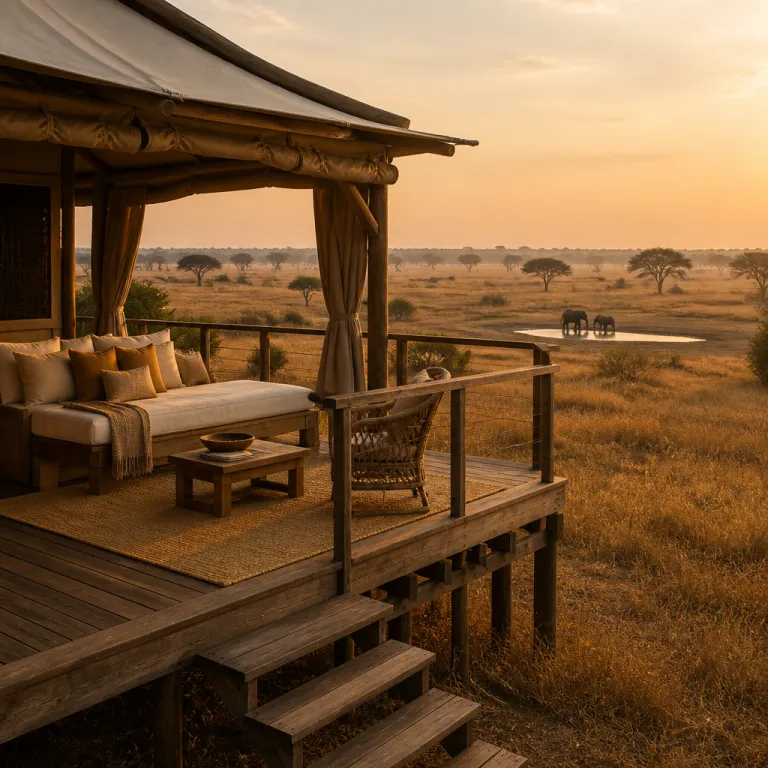
Luangwa Valley Africa for luxury travellers: where to stay and why it matters
Luangwa valley Africa for luxury travellers: where to stay and why it matters
The Luangwa Valley in eastern Zambia stretches across roughly 70 000 km² of the broader Rift Valley system, forming one of the most wildlife-rich arms of the Great Rift Valley. This immense Luangwa landscape holds three major national parks and several game management areas, which together create a rare concentration of protected land in southern Africa. For travellers booking premium accommodation, understanding how each sector of the valley differs is the first step toward choosing the best safari experience.
South Luangwa National Park is the most established part of the Luangwa Valley, with a dense network of riverfront lodges and intimate bush camp properties. Here the Luangwa River bends through oxbow lagoons and ebony groves, drawing elephants, hippos, and predators into a narrow ribbon of life that makes game viewing remarkably intense. Many of the best camps sit on high banks above the main river channel, so you can watch wildlife traffic all day without leaving your veranda.
North Luangwa National Park feels far more remote, appealing to travellers who value seclusion over a long list of amenities. Access is more limited, camp availability is lower, and the focus leans strongly toward walking safaris with highly qualified guides. Between North Luangwa and South Luangwa lies the quieter Luambe National Park, where a handful of small camps share a stretch of the Luangwa River that sees far fewer vehicles and offers a gentler, more contemplative safari rhythm.
How Zambia’s conservation model shapes luxury stays in the luangwa valley
The Zambian Government manages the national parks of the Luangwa Valley region with a clear mandate to balance conservation, tourism, and community benefit. Anti-poaching units, wildlife monitoring systems, and community-based conservation projects all depend partly on revenue from high-end camps. When you choose a premium bush camp or river camp in this valley, your booking directly supports this national conservation framework.
Many of the most respected camps in South Luangwa and North Luangwa operate on long-term leases that require measurable contributions to wildlife protection. This can include funding for black rhino security in North Luangwa, support for educational outreach in local communities, or investment in technology that tracks movements of key wildlife species. For a deeper look at how this works in practice, travellers can review Zambia’s conservation model for luxury travellers explained by specialist operators on responsible safari travel in Zambia.
Local communities living along the Luangwa River and within the broader Rift Valley corridor are essential partners in this model. Tourism industry stakeholders, international conservation organisations, and village leadership collaborate to ensure that national parks generate jobs, training, and long-term economic opportunities. When you compare camp availability, it is worth asking each lodge how much of your nightly rate flows into these national and local initiatives, because that answer often separates a good safari experience from the best one.
Choosing between south Luangwa, north Luangwa, and Luambe for your safari
Travellers planning a stay in the Luangwa Valley usually begin by choosing between South Luangwa, North Luangwa, and Luambe. South Luangwa National Park suits first-time visitors who want varied activities, strong game viewing, and a wide range of luxury camps. The park’s central and southern sectors along the Luangwa River host many of Zambia’s best-known camps, from classic tented properties to contemporary safari house style villas.
North Luangwa National Park offers a different rhythm, with fewer roads, fewer camps, and a stronger emphasis on walking safaris. Here, camp availability is intentionally limited to keep visitor numbers low, which preserves a sense of wilderness that is rare in Africa today. Luambe National Park, positioned between the northern and southern sectors of the valley, provides a quieter alternative where a small cluster of camps share long stretches of riverbank with almost no other vehicles in sight.
Cultural context also matters when choosing where to stay in the valley. Many lodges partner with nearby villages to offer visits that go beyond surface-level performances and create meaningful exchanges. Travellers interested in how these encounters can be handled respectfully can explore guidance on when a lodge cultural visit becomes more than a tour stop, then ask prospective camps in South Luangwa or Luambe how they apply similar principles.
Designing a luxury safari experience: from bush camp to safari house
High-end accommodation in the Luangwa Valley ranges from intimate bush camp retreats to expansive safari house residences ideal for families or private groups. A classic bush camp in South Luangwa usually features a handful of canvas or thatch suites, open-air lounges, and dining areas that overlook either the Luangwa River or an inland lagoon. These camps prioritise immersion in the bush, with night sounds, wildlife movements, and the rhythm of the river shaping each day.
Safari house properties, by contrast, offer more space, private staff, and flexible schedules, while still sitting inside or adjacent to a national park. They work well for multi-generational groups who want exclusive vehicles for game viewing, private guides for walking safaris, and tailored menus. Some safari house options in the valley combine riverfront decks, plunge pools, and dedicated hosts, creating a level of personalised service that rivals the best African city hotels yet keeps you firmly inside the bush environment.
Within this spectrum, specialist camps such as Luwi Bush Camp and Mchenja Bush Camp in South Luangwa focus strongly on walking safaris and close engagement with the landscape. Their locations away from the main Luangwa River channel bring a different feel, with dry riverbeds, ebony forests, and open plains that change character between the wet and dry season. When comparing camps, consider how each property balances comfort, proximity to wildlife, and its own philosophy on what a luxury safari in Zambia should feel like.
Seasonality, activities, and camp availability along the Luangwa River
Timing your trip to the Luangwa Valley has a profound impact on what you see and how you travel. The dry season from roughly May to October is widely regarded as the best period for game viewing, because shrinking water sources pull wildlife toward the Luangwa River and its remaining lagoons. During these months, camp availability is tightest, especially at smaller bush camps in South Luangwa and Luambe, so early booking is essential.
Walking safaris are a signature of the valley, pioneered here by conservationists such as Norman Carr and now carefully regulated by the Zambian Government within national parks. Guided walks in South Luangwa, North Luangwa, and Luambe allow you to read tracks, study plants, and understand how predators and prey use the bush. Night drives complement these walks, revealing nocturnal wildlife such as leopards, civets, and owls that rarely appear by day.
River-based activities vary with water levels along the Luangwa River and the broader Zambezi river system. In some stretches of the valley, seasonal boating or canoeing may be possible early in the dry season, while later months focus more on vehicle safaris and walking. Travellers interested in combining the Luangwa Valley with a different riverine setting can look at the growing luxury camp scene on the Lower Zambezi, including new openings highlighted in reports on Zambia’s river safari scene.
Practical planning for premium bookings in Zambia’s hidden valley gems
Planning a luxury journey through the Luangwa Valley begins with mapping how many nights you want in each area. A common pattern is to spend several nights in a central South Luangwa camp for varied activities, then add a more remote bush camp or Luambe stay for contrast. Those with a strong interest in walking safaris often finish in North Luangwa, where the focus on foot-based exploration is strongest.
Because national parks in Zambia limit the number of beds per concession, last-minute camp availability can be challenging in peak dry season. Working with specialist tour operators who know each camp’s style, access logistics, and wildlife strengths will help you match properties to your expectations. They can also coordinate light aircraft transfers between the valley, the Lower Zambezi, and other African destinations, ensuring that your time on the ground is spent in the bush rather than in transit.
Health and safety planning should not be overlooked when booking premium safaris in the valley. Malaria is present, so travellers should consult medical professionals about prophylaxis and bring appropriate clothing for both day and night. Reputable camps in South Luangwa, North Luangwa, and Luambe maintain radio links, trained staff, and evacuation plans, which together provide a reassuring safety net in this remote corner of Africa.
Key figures that define the luangwa valley Africa safari landscape
- The Luangwa Valley in eastern Zambia covers about 70 000 km², making it one of Africa’s largest continuous wildlife landscapes within the Great Rift Valley corridor (figures reported by regional conservation organisations and summarised in Zambia’s national park management plans).
- More than 450 bird species have been recorded across South Luangwa, North Luangwa, and Luambe National Parks, which places the valley among the most diverse birding destinations in southern Africa (data compiled by BirdLife partners and long-term ornithological surveys in Zambia).
- Two mammal subspecies, Thornicroft’s giraffe and Cookson’s wildebeest, are endemic to the Luangwa Valley, meaning they occur naturally nowhere else on earth (information referenced by the IUCN Red List and Zambia’s wildlife authorities).
- The dry season from May to October is considered the prime time for game viewing, because receding water concentrates wildlife along the Luangwa River and its remaining lagoons, increasing sighting density for visitors.
- Guided walking safaris, first formalised in South Luangwa, now operate under strict national park regulations that require licensed guides and armed scouts, reflecting Zambia’s emphasis on safety and low-impact tourism.
Frequently asked questions about luxury stays in the luangwa valley
What wildlife can be seen in Luangwa Valley?
Lions, leopards, elephants, buffaloes, hippos, crocodiles, and over 450 bird species.
When is the best time to visit Luangwa Valley?
During the dry season, from May to October.
Are there endemic species in Luangwa Valley?
Yes, Thornicroft’s Giraffe and Cookson’s Wildebeest are endemic subspecies.
How many nights should I spend in south Luangwa versus north Luangwa?
Many luxury travellers spend four to five nights in South Luangwa for varied activities, then add three or more nights in North Luangwa or Luambe for a quieter, more remote safari. This balance allows time for both vehicle-based game viewing and extended walking safaris.
Is Luangwa Valley suitable for first time safari visitors seeking premium comfort?
Yes, the valley offers a wide range of high-end camps and safari house options with strong guiding, excellent food, and attentive service. First-time visitors often start in South Luangwa, where infrastructure is more developed yet the wildlife density and sense of wilderness remain exceptional.