Why Zambia culture travel belongs beside your luxury safari
Zambia culture travel sits in a different register from many parts of southern Africa. This is a country where 73 ethnic groups, more than 30 annual traditional ceremonies and a government backed push for community based tourism give visitors unusual depth and texture. According to the Zambia Statistics Agency and the Ministry of Tourism, these groups range from Bemba and Tonga to Lozi, Ngoni and Chewa, each with distinct languages, origin stories and ceremonial calendars. When you combine a Zambia safari with time in real towns and rural areas, the result is a trip that feels grounded rather than staged.
For solo explorers used to polished safari camps, the cultural side of Zambia can feel less choreographed and sometimes a little raw. That is precisely where the value lies, because culture in Zambia is not a sideshow to wildlife but the context that shapes every walking safari, every boat ride on the Zambezi River and every conversation with a Zambian guide. When you plan Zambia trips that weave in Zambian cultural experiences with intention, you move from ticking off wildlife to understanding how people live beside elephants, hippos and lions every day.
The Ministry of Tourism has made community based tourism a priority through policies such as the Community Based Natural Resource Management framework, and that approach is slowly reshaping how lodges engage with each local community. Around South Luangwa and Lower Zambezi, some safari camps now support village enterprises that are owned and run by residents, not by outside operators. In the Chiawa Game Management Area, for example, community trusts sit on lodge boards and approve how conservation levies are spent on schools or clinics. For a solo traveler, this means you can choose cultural experiences that send money and respect in the right direction, whether you are staying near Lake Kariba, the Luangwa Valley or the Zambezi corridor that links Zambia, Zimbabwe and beyond.
Two models of cultural visits: lodge organised versus community run
Most Zambia culture travel add ons sold by luxury properties fall into two clear models. The first is the lodge organised village visit, where a safari camp designs the programme, sets the timing and often pays a flat fee to a local community representative. The second is the community run enterprise, such as the Mukuni village initiative near Victoria Falls or projects in the Chiawa Game Management Area near the Lower Zambezi, where residents control the experience traditional visitors receive and decide how tourism revenue is allocated.
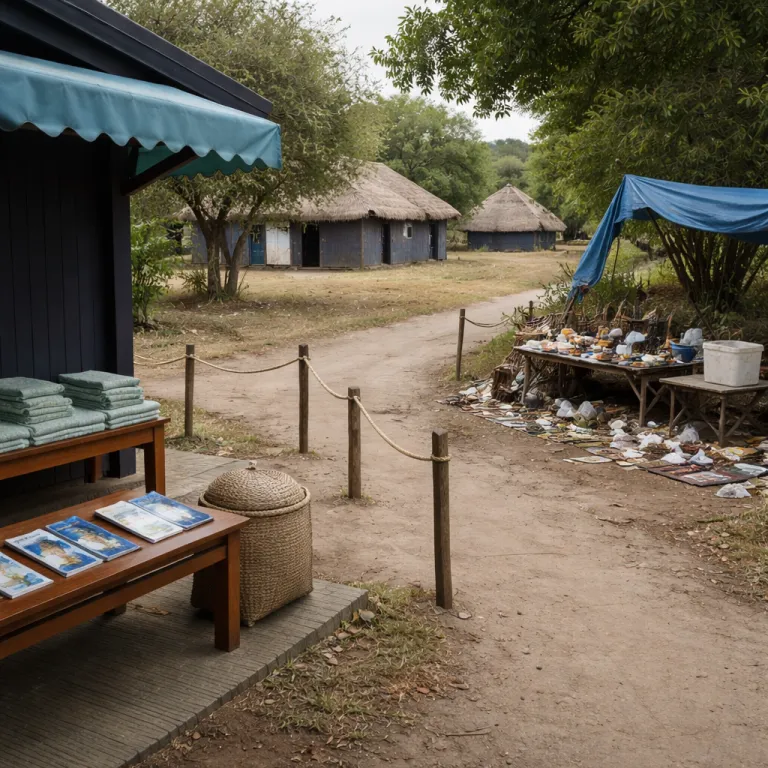
On a lodge organised visit, you are usually driven from camp after the morning safari, spend an hour in a nearby town or village and return in time for lunch that overlooks the Luangwa or Zambezi. These visits can be informative, but they sometimes slide into performance, with pre arranged dances and a line of curios laid out before you have even exchanged names. Community run cultural experiences tend to move at a different pace, with time for questions about daily life, agriculture, schooling and how people share land with wildlife in a national park buffer zone.
If you care about impact, interrogate the “cultural visit” before you book. Ask your lodge for details on how revenue is shared, how often groups visit, who sets rules for photography and group size, and whether there is a community committee that signs off on decisions. A property that treats Zambia culture travel seriously will answer in specifics rather than slogans. For a deeper read on how to slow down your itinerary so these encounters do not feel rushed between game drives, look at this guide to slow safaris in Zambia, which argues persuasively for fewer transfers and more time in each valley.
What respect looks like on the ground during cultural experiences
Respect in Zambia culture travel is not an abstract value, it is operational. The best time to visit a village is when the community has agreed to receive guests that day, not when a guide decides to drop in between safaris without notice. Scheduled visits, capped group sizes and clear communication about arrival times allow people to prepare, dress as they wish and decide who will host conversations.
Money matters just as much as manners, especially in rural areas bordering South Luangwa, Lower Zambezi and Kafue national park. Ask whether there is a transparent revenue share, whether funds go into a community account and how decisions are made about spending on schools, clinics or conservation projects. When a lodge can give you specific details about which local committee manages the income, you know your Zambia trips are supporting more than just a photo opportunity. A simple checklist helps: scheduled visits, community designed activities, clear financial reporting, agreed photography rules and space for genuine conversation.
Photography is where many cultural experiences in Africa go wrong, and Zambia is no exception. A respectful visit avoids posed setups, staged poverty or lining up children for pictures in exchange for sweets, and instead prioritises time for real conversation about culture, farming, fishing on Lake Kariba or seasonal work in safari camps. If you are travelling solo, you have the advantage of being one person rather than a crowd, so use that intimacy to ask permission, learn a few local greetings and let the Zambian host set the tone.
Where Zambia culture travel genuinely enriches a luxury itinerary
Some cultural experiences in Zambia are worth planning your entire route around. The Kuomboka, Nc'wala and Umutomboko ceremonies are among the most significant, and they illustrate how Zambian people use pageantry, music and dance to mark seasonal shifts and political authority. The Kuomboka, for example, sees the Lozi king travel by barge from the flooded Zambezi plain to higher ground, while Nc'wala celebrates the Ngoni first fruits and Umutomboko honours Lunda migration history. Major ceremonies such as Kuomboka, Nc'wala and Umutomboko anchor the national calendar and draw visitors from across the region.
Timing a Zambia safari to coincide with one of these events requires flexibility, but the reward is a day where wildlife and culture share the stage. You might spend the morning on walking safaris in South Luangwa, watching giraffe and wild dog, then drive into a nearby town to see chiefs carried on palanquins, drummers in full regalia and families who have travelled from across southern Africa. For a solo traveler, this blend of spectacle and intimate encounters with a local community can be the most memorable part of the trip.
Outside the ceremony calendar, museums and village programmes offer reliable anchors for Zambia culture travel. The national museums in Lusaka and Livingstone, along with smaller cultural centres, give context to what you see in rural areas, from pre colonial trade routes with Malawi to the shared history of Zambia Zimbabwe around the Zambezi River and Victoria Falls. If you are planning a family focused itinerary and want to balance wildlife, culture and comfort, this guide to where to stay in Zambia with children highlights lodges that handle both game drives and village visits with sensitivity.
How to interrogate cultural add ons when booking luxury stays
When you book a luxury lodge in Zambia, the phrase "cultural visit" often appears in the inclusions list. Do not treat it as a generic extra, because the quality of Zambia culture travel varies widely between properties and regions. A short email before you confirm can reveal whether the experience is run with the community or mainly for the marketing brochure.
Ask the lodge to describe the visit in concrete terms, including how long you spend in the village, who hosts you and what proportion of the fee goes directly to the local community. Clarify whether you will see daily life, such as farming, fishing on the Zambezi or Luangwa, or whether the focus is on performances staged for visitors. If the answers are vague on details, consider reallocating that time to a museum in Lusaka, a guided walk in a nearby town or an extra day in a region where community run projects and community trusts are already established.
Solo explorers who care about both wildlife and culture often build itineraries that link South Luangwa, Lower Zambezi and the Victoria Falls area, with optional extensions to Lake Kariba, Lake Malawi or even Cape Town in South Africa. This arc lets you experience traditional village life near safari camps, river based wildlife along the Zambezi River and the cross border history of Zambia Zimbabwe around the falls. For a deeper dive into how to structure a route that balances walking safaris, river safaris and time in cultural hubs, study this detailed guide to elegant journeys into South Luangwa, which treats the valley as more than just another stop on an Africa checklist.
Balancing wildlife, water and culture across Zambia and its neighbours
Thoughtful Zambia culture travel rarely happens in isolation from the country’s rivers and wildlife corridors. The same Zambezi that feeds the spray of Victoria Falls also shapes fishing livelihoods on Lake Kariba and sustains the floodplains of the Lower Zambezi national park, where canoe safaris glide past villages that have lived with hippos for generations. In the Luangwa Valley, the river’s oxbow lakes dictate both wildlife movements and the location of fields, schools and churches in surrounding rural areas.
Many solo travelers pair a Zambia safari with time on Lake Malawi or Lake Kariba, creating a loop that links Zambia, Malawi and sometimes a final city break in Cape Town. This regional approach to southern Africa allows you to compare how different countries manage the tension between conservation, tourism and the needs of each local community. It also gives you multiple chances to experience traditional fishing techniques, lakeside markets and cross border histories that tie Zambia Zimbabwe and Malawi together through trade and family ties.
When you design Zambia trips that move between safari camps, lakes and towns, pay attention to how each property talks about culture. A lodge that can speak fluently about local languages, staple foods such as nshima and the role of ceremonies in Zambian life is more likely to offer meaningful cultural experiences than one that only mentions sundowners and plunge pools. Over a week or more, this attention to cultural detail will shape not just what you see on game drives, but how you understand Africa as a lived in continent rather than a backdrop for wildlife photography.
FAQ
What are some major traditional ceremonies in Zambia that travelers can attend ?
Key ceremonies that align well with Zambia culture travel include Kuomboka in the west, Nc'wala in the east and Umutomboko in the north. Dates vary each year, so confirm timing with local tour operators or the Zambia Tourism Agency before planning your trip. These events attract visitors from across southern Africa and offer a rare window into living traditions rather than staged performances.
Is English widely spoken in Zambia during cultural visits ?
English is the official language of Zambia and is widely spoken in towns, national park areas and most safari camps. In rural areas, you will also hear local languages such as Bemba, Nyanja, Lozi or Tonga, especially during cultural experiences and ceremonies. Learning a few greetings in the relevant language is appreciated and often deepens conversations with your hosts.
What is the staple food in Zambia and will I encounter it on village visits ?
The staple food in Zambia is nshima, a thick maize based porridge eaten with vegetable, fish or meat relishes. During village visits or homestay style cultural experiences, you may be invited to taste nshima or even help with its preparation. In luxury lodges, chefs sometimes offer refined versions of traditional dishes so visitors can experience Zambian flavours in a more formal setting.
How can I tell if a cultural visit is ethical and community focused ?
Ask your lodge or tour operator who designed the visit, who hosts it and how revenue is shared with the local community. Ethical Zambia culture travel usually involves scheduled visits, clear photography guidelines, transparent financial arrangements and time for genuine conversation rather than only performances. If answers are vague or focus solely on entertainment, consider alternative experiences such as museums or verified community run projects.
Can cultural activities be combined with walking safaris and wildlife focused itineraries ?
Yes, cultural experiences integrate naturally with walking safaris and game drives in regions such as South Luangwa and the Lower Zambezi. Many lodges offer half day village visits that fit between morning and afternoon safaris, or arrange talks with local leaders at camp. Planning at least one extra day in each area gives you space to enjoy both wildlife and culture without feeling rushed.