By MyZambiaStay editorial team · Updated March 2024
Lower Zambezi canoe mornings: how the river really feels at first light
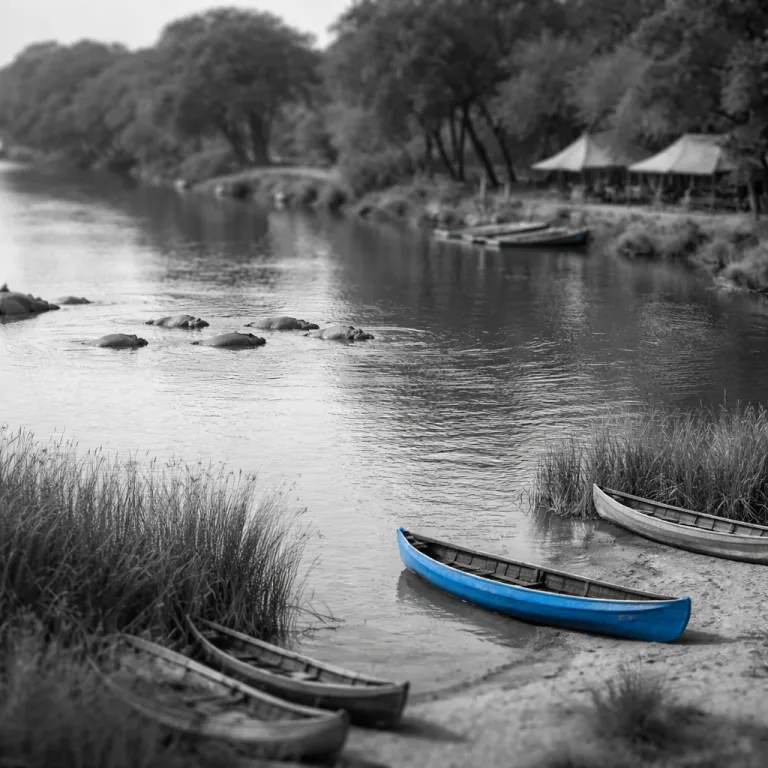
You push off in the half light, the Zambezi River still cool and silver. The canoe guide settles in the stern of your canoe, knees braced, paddle low, already reading the river and the wildlife before you have adjusted your eyes. A lower Zambezi canoe safari at this hour feels quiet on the surface, yet every channel, sandbank and hippo trail is being assessed in real time.
On a well run Zambia safari, canoeing is never a casual add on; it is a structured safari tour with a clear plan, a safety briefing and a defined stretch of river chosen for that specific day. Canoe guides here are experienced professionals, often with thousands of hours on the Zambezi River, and they lead both single canoe and paired canoes in a tight formation that keeps couples close yet controllable. Your canoe safari usually starts from a main safari lodge or a simple riverside camp, with a support boat shadowing the group so you can leave cameras, extra layers and non essentials off the canoe floor.
The first hour of these canoe safaris is about rhythm rather than drama, as you slide past the reed beds of Lower Zambezi National Park while the sun lifts and the air warms. You will hear the hippos before you see them, their grunts rolling across the water from pods that hold part of the roughly three thousand individuals estimated in this section of park Zambia, a figure consistent with Zambia Wildlife Authority survey summaries from the mid 2010s. Elephants step down to the river to drink, crocodiles slide from sandbanks, and birdlife turns the national park skyline into a moving field guide that makes the whole experience feel both intimate and expansive.
Hippo pods, channels and the quiet authority of a lead canoe guide
The marketing image of a lower Zambezi canoe safari usually shows glassy water and a single canoe drifting past a lone elephant. The reality is more textured, because this is a working river with dense hippo populations, shifting channels and a constant negotiation between wildlife and water levels. Your lead guide’s skill is what turns that complexity into a calm, controlled adventure for a couple who may be new to canoeing.
On the Zambezi, the guide sits at the back of the canoe, steering with subtle strokes while you provide relaxed forward power from the bow. They choose which side of a pod to pass, how far to stay from the bank, and when to pause the line of canoes to let a hippo surface and move off, and they are constantly reading hippo body language, wind direction and current. In practice, reputable operators brief guests to keep at least 30–50 metres from hippo pods and to avoid paddling between a hippo and deeper water, and they are constantly reading hippo body language, wind direction and current. When you glide past a pod, you may be just thirty or forty metres away, yet the formation of canoes, the spacing between each canoe safari pair and the quiet instructions from the guide keep the group feeling secure rather than exposed.
One of the most reassuring aspects for nervous guests is the presence of a support boat from a river lodge such as Chiawa or Royal Zambezi, which tracks the canoes at a discreet distance. This allows the experience to stay low to the water while still having rapid backup if a canoe flips or a guest tires, and it also means your day can flex between paddling and motorised safaris. Standard practice on the Lower Zambezi is for the support boat to carry a VHF radio, basic first aid kit, spare paddles and additional buoyancy aids, and to maintain scheduled radio check ins with the lodge. As one long standing guide explains, “Our job is to make the river feel wild but never out of control, so guests can focus on the wildlife, not the what ifs.” For couples choosing a luxury safari lodge that specialises in canoe safaris, such as those profiled in this guide to luxury safari experiences in Chiawa and the Lower Zambezi, that blend of intimacy and safety is the real differentiator.
Couples on the water: comfort levels, kit and how close you really are to wildlife
For a couple, the first decision on a lower Zambezi canoe safari is whether to share a canoe or paddle solo. Most safari lodge teams will suggest that partners share, with the stronger paddler in the back and the more photography focused guest in front, which keeps the line of canoes easier to control and the experience more conversational. If one of you is anxious around water or wildlife, guides can pair that person with a canoe guide instead, which is often the best way to build confidence over the first day or two.
What you bring into the canoe matters, because space is limited and the river can be unforgiving of clutter. Wear long sleeves, a wide brimmed hat and high factor sun protection, carry at least one litre of water per person and keep cameras in dry bags that can be opened quickly when wildlife appears, and leave heavy bags, spare clothing and non essentials on the support boat or back at the lodge. You will be sitting for several hours, so a light cushion or folded fleece can transform the comfort of the canoe seat, and many camps now provide these as standard for their canoe safaris. Lifejackets are compulsory on reputable trips; look for modern, foam filled personal flotation devices with secure buckles rather than old, inflatable styles, and make sure yours is properly fitted before you launch.
Simple packing checklist for a Lower Zambezi canoe safari
– Long sleeved, quick drying shirt and light trousers
– Wide brimmed hat and high SPF sunscreen
– At least 1 litre of drinking water per person
– Compact binoculars and camera in a dry bag
– Light cushion or fleece for the canoe seat
– Closed sandals or river shoes that can get wet
Distance to wildlife is where expectations need the most honest calibration, because you are genuinely close. On a well managed Zambia safari, canoes will not cut between a hippo and deep water, and they will avoid narrow channels where hippos feel trapped, yet you may still pass within a short paddle length of basking crocodiles or elephants drinking at the river edge. Guides typically aim to keep at least 10–15 metres from crocodiles and other large animals, adjusting that gap if behaviour changes or the current is strong. This is where the guide’s authority matters more than bravado; when they say paddle, you paddle, and when they say stop, you stop, because the calmness of the experience depends on that shared discipline.
Single day paddles versus multi day canoe trails with wild camping
Not every lower Zambezi canoe safari needs to be an expedition, and for many couples a single morning or afternoon on the river is the perfect balance. A typical day paddle might cover ten to fifteen kilometres of the Zambezi River, with a coffee stop on a sandbank and a return to your safari lodge in time for lunch or evening game drives. This format works well if your overall trip includes other water based safaris, such as a sunset cruise near Victoria Falls or a boat based safari tour in another park Zambia.
Multi day canoe safaris, sometimes marketed as semi participatory expeditions, are a different proposition and need to be chosen carefully within a ten night Zambia safari itinerary. On these trails, you paddle between simple fly camps or more established riverbank camp sites, often with wild camping elements where tents are set up on remote islands and there is no permanent infrastructure, and you may help with light camp chores such as packing gear or carrying dry bags. The reward is a deeper immersion in the national park, with nights spent listening to hippos grazing near the tents and mornings that start on the river rather than at a lodge, but the trade off is less conventional comfort and more exposure to heat, insects and the unpredictability of the river.
For most couples, one or two nights of this style of canoe safari is enough, especially if the rest of the trip includes more classic safari lodge stays in South Luangwa or a river lodge near Victoria Falls. Longer trails of four or five nights suit guests who already know they enjoy wild camping and who are comfortable being away from Wi Fi, swimming pools and structured activities such as walking safaris and vehicle based game drives. If you are travelling with children or planning a mixed style itinerary, it is worth reading this guide to where to stay in Zambia with children before committing to a long canoe stretch.
Season, water levels and how to choose the right canoe focused lodge
The Lower Zambezi National Park has a relatively narrow window when canoeing is at its best, and that matters when you are planning a once in a lifetime trip. From roughly May to October, water levels drop, channels become more defined and the floodplains firm up, which makes both canoe safaris and vehicle based game drives more predictable and productive. Early in the dry season the river is wider and cooler, while later in the season the channels narrow, wildlife concentrates along the banks and the experience feels more intense, so your preferred balance of comfort and drama should guide your timing.
Within this season, conditions can shift week to week as upstream flows change and local rains alter sandbanks, so a lodge that is genuinely canoe strong is invaluable. Properties such as Sausage Tree, Old Mondoro, Chongwe and Royal Zambezi have built their reputations on the quality of their canoe guides, the flexibility of their activity schedules and the way they integrate canoeing with walking safaris and vehicle safaris, and they will adjust routes daily based on hippo movements and water clarity. These reputations are reinforced by long standing membership of safari trade bodies, repeat guest reviews and consistent inclusion in specialist canoe safari itineraries. When you speak with a lodge or a specialist agent, ask specific questions about how many canoes they operate, whether they offer semi participatory multi day trails and how they coordinate with Zambezi National Park authorities on safety.
For couples combining the Lower Zambezi with South Luangwa or even a side trip to South Africa, the key is to let each region do what it does best. Use South Luangwa for its guide led walking safaris and leopard rich night drives, then let the Lower Zambezi carry the weight of your river based adventure, and if you want a refined, water focused base, this guide to elegant journeys into South Luangwa National Park will help you balance the two. Canoe strong camps tend to book out first for peak months, especially for couples requesting multi day Zambezi canoe trails, so secure those dates early and then build Victoria Falls, Mana Pools or other extensions around them.
Safety, guiding standards and what “adventure” really means on the Lower Zambezi
Safety on a lower Zambezi canoe safari is not about removing risk, but about managing it with professionalism and clear systems. Local canoe guides and national park authorities work together to set routes, monitor wildlife patterns and maintain a balance between eco friendly tourism and the needs of the river itself, and reputable operators provide proper life jackets, radios and safety gear on every trip. The Zambia Wildlife Authority has estimated a hippo population of around three thousand individuals in the Lower Zambezi area, which underlines why guide training and route choice are non negotiable rather than optional extras.
Guests often ask whether it is safe to paddle near such a dense concentration of large animals, and the most honest answer is that it is safe when the right people are in charge. As one set of operator guidelines puts it, “Is it safe to canoe near hippos? Yes, with experienced guides. What wildlife can be seen? Hippos, elephants, crocodiles, various birds. Do I need prior canoeing experience? No, beginners are welcome.” In addition, most established Lower Zambezi operators follow internal protocols that include pre departure safety briefings, maximum group sizes of six to eight guests per lead guide, radio contact with base and written incident reporting. That combination of clear communication, realistic risk assessment and calm authority is what allows a couple with no previous canoeing background to feel held rather than hurried on their first day on the river.
Adventure here is not about white water or speed, but about proximity, silence and the sense of moving through a living national park at eye level with the water. You will remember the way your canoe slid past a bull elephant standing chest deep in the Zambezi, the way your guide quietly re routed the line of canoes when a hippo surfaced too close, and the way the camp fire felt that night back at your lodge as you replayed the day. For many couples, that blend of controlled risk, expert guiding and river based intimacy is what turns a Zambia safari from a standard holiday into a defining travel experience that sits alongside Victoria Falls, Mana Pools or even South Africa’s reserves in their personal hierarchy of great safaris.
FAQ
Is it safe to canoe near hippos on the Lower Zambezi?
Canoeing near hippos on the Lower Zambezi is considered safe when you are with experienced canoe guides who know the river and its wildlife intimately. They choose channels that give hippos space, avoid cutting between animals and deep water and maintain a tight formation of canoes so the group moves predictably. You should always follow guide instructions immediately, wear your life jacket and avoid independent paddling away from the group, and most operators aim to keep at least 30–50 metres between canoes and the main hippo pods.
Do I need prior canoeing experience for a Lower Zambezi canoe safari?
Prior canoeing experience is not required for most Lower Zambezi canoe safaris, because the trips are designed for beginners and focus on gentle paddling rather than technical white water. Guides give a clear safety and paddling briefing before you launch, and they usually pair less confident guests with a professional in the same canoe. If you are nervous, start with a short morning paddle rather than a multi day trail, then extend once you feel comfortable on the river.
What wildlife will I see from a canoe compared with a game drive?
From a canoe you are likely to see hippos, crocodiles, elephants, waterbuck and a wide range of birdlife at very close range, because you are moving quietly along the river edge. Vehicle based game drives in the same national park will usually add lions, leopards and plains game that spend more time away from the water. The best Zambia safari itineraries combine both, using the canoe for intimate river encounters and the vehicle for broader big cat and savannah wildlife viewing.
When is the best time of year for canoeing on the Lower Zambezi?
The prime season for canoeing on the Lower Zambezi runs through the main dry months, when water levels are lower, channels are more defined and wildlife concentrates along the riverbanks. Early in this period the river is wider and cooler, while later the channels narrow and sightings become more intense but daytime heat increases. Outside this window, high water and stronger currents can limit canoe operations, so always check with your chosen lodge or operator before fixing dates.
How does a Lower Zambezi canoe safari fit into a wider Zambia itinerary?
A Lower Zambezi canoe safari usually works best as three or four nights within a ten to twelve night Zambia safari that also includes South Luangwa or another strong walking safaris area, plus time at Victoria Falls if you want that contrast. Many couples choose to start with vehicle and walking safaris inland, then finish with river based days on the Zambezi River for a calmer, water focused finale. If you are considering multi day canoe trails or wild camping, it is wise to place them in the middle of the itinerary, with comfortable safari lodge stays on either side for recovery and flexibility.