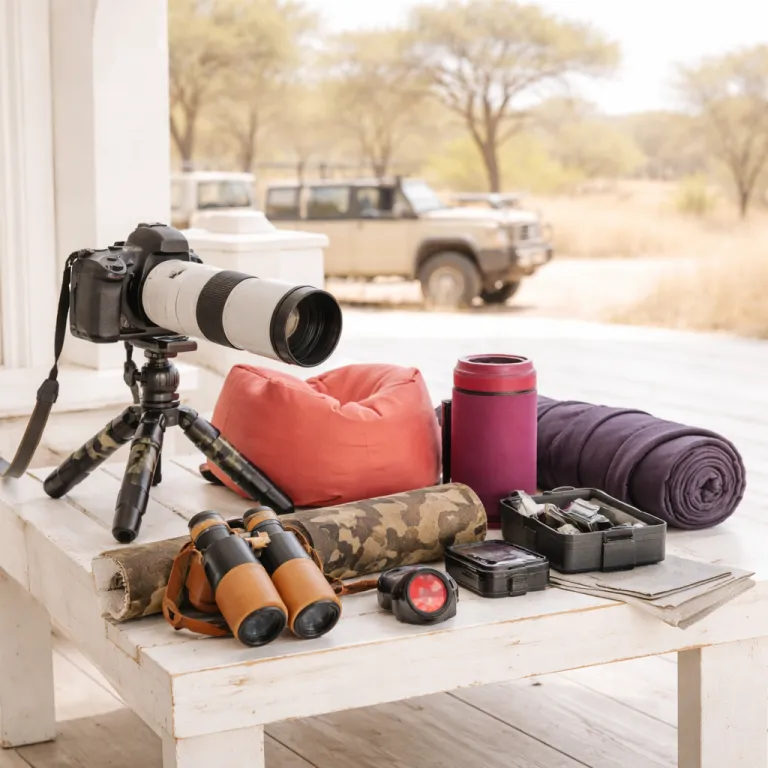
Why Zambia’s slow safaris suit the business leisure traveler
Photographic safari Zambia itineraries suit executives who value depth over speed. In this part of Africa, a safari in Zambia is less about racing between sightings and more about settling into one carefully chosen camp where wildlife comes to you. That slower rhythm lets a short trip feel expansive, especially when photographic hides and night drives are built into the stay.
South Luangwa and Lower Zambezi stand apart from other national parks in Africa because they encourage guests to linger, watch, and wait. In South Luangwa National Park, guides structure each game drive around the light, the Luangwa River levels, and the movement of wildlife, not around a checklist of the Big Five. That approach makes every photographic safari in Zambia feel more like a crafted field assignment than a generic tour, which suits travelers used to managing tight schedules and high expectations.
For business leisure guests extending a work trip, the question is not whether Zambia will deliver wildlife, but how to design a safari Zambia stay that balances rest, connectivity, and serious photography. A three or four night stay in one Luangwa camp followed by two or three nights in a Lower Zambezi camp usually works better than hopping between many parks in Zambia. You gain familiarity with the terrain, the wild rhythms, and the guides, which is exactly what wildlife photography needs to move from quick photo grabs to a coherent photo safari portfolio.
How photographic hides change what you see and shoot
A photographic hide is a simple idea executed with precision; it is a concealed shelter that lets you observe and photograph wildlife without disturbance. The official definition is worth keeping in mind: “What is a photographic hide? A concealed shelter for observing and photographing wildlife without disturbance.” From a photographer’s perspective, that means eye-level angles, predictable backgrounds, and the chance to read animal behaviour instead of chasing it with a vehicle.
In South Luangwa, Kaingo Camp has built a reputation on hides that many photographers highly recommend structuring an entire trip around. One Luangwa photo session might be spent at the Last Waterhole hide, where elephants, antelope, and sometimes wild dogs drift in at dusk, while another day focuses on a Luangwa River platform that frames hippos and crocodiles in soft south light. Puku Ridge Camp, also in South Luangwa National Park, offers a different style of photographic safaris, with a sunken hide looking across an open plain that works beautifully for both wide wildlife photography and tight portrait photo work.
On the Lower Zambezi, Chiawa Camp positions its hides for water-based drama, with a Zambezi photo vantage that captures elephants crossing channels and birdlife working the reed beds. Here the Lower Zambezi National Park setting means you can split time between a hide, a gentle boat tour, and an afternoon game drive without feeling rushed. If you are considering a longer Zambia circuit that includes Kafue National Park, it is worth reading a detailed analysis of what a private reserve north of Kafue National Park can add to a photographic safari Zambia plan in an article about inside Lolelunga on myzambiastay.com.
Night drives in South Luangwa: where Zambia goes genuinely nocturnal
South Luangwa is one of the few places in Africa where night drives are not an afterthought but a structural part of the experience. According to Zambia’s Department of National Parks and Wildlife guidelines, licensed operators must use trained guides and follow strict spotlight protocols, and South Luangwa lodges have refined this into a conservation-focused model. Guides here work with a dedicated spotter, using diffused lighting that supports both wildlife photography and animal welfare, an innovation that matters when you are tracking a leopard on the hunt. The result is a photographic safari Zambia guests rarely expect on a first read of the brochure, yet it often becomes the highlight of the entire trip.
At Kaingo Camp and Puku Ridge Camp, evening game drives roll out as the sun drops behind the park escarpment, then transition into full night drives once darkness settles. You might start with a classic South Luangwa riverbank scene, then suddenly be following wild dogs on the move or pausing for a genet balanced on a branch, all while your guide manages angles for clean photo opportunities. Leopard sightings are frequent in this region according to long-standing guide reports compiled by local safari operators, a pattern that underlines how productive these nocturnal safaris can be when you give them more than one night.
Lower Zambezi National Park, especially around Chiawa Camp, offers a complementary style of night drive, with more emphasis on riverine wildlife and the interplay between water and bush. Here a Zambezi floodplain might reveal porcupines, civets, or owls in quick succession, each moment a chance to refine low light photography skills. For planning purposes, it is worth consulting a guide to the best time to visit Zambia for luxury safaris on myzambiastay.com, because moon phase, river height, and seasonal vegetation all influence how productive night drives and photographic safaris will be.
Designing a five or six night itinerary around hides and night drives
Executives often arrive in Zambia with five or six nights to spare, which is enough for a focused photographic safari Zambia itinerary if you resist the urge to over schedule. The most effective pattern is usually three or four nights in South Luangwa followed by two or three nights in Lower Zambezi, with one primary camp in each national park. That gives you time for repeated game drives, multiple hide sessions, and at least two full night drives in each area, which is when patterns in wildlife behaviour start to reveal themselves.
In South Luangwa National Park, base yourself at a camp such as Kaingo Camp or Puku Ridge Camp, both of which integrate photographic hides and guided night drives into the daily rhythm. Mornings can be dedicated to a classic game drive or walking safari, while late mornings and early afternoons are ideal for a hide-based photo safari session when animals come to water and the light softens. Afternoons then pivot back to a vehicle-based safari, rolling into a night drive that targets predators and smaller wild species that never appear during the day.
Lower Zambezi National Park works best as the second chapter of the trip, with Chiawa Camp offering a mix of boat tours, canoe outings, and land-based safaris that keep the photography fresh. Here you can alternate between a Zambezi photo hide, a relaxed river cruise, and a more traditional game drive, all while keeping a few hours free each day for work or rest. For travelers considering future family travel, it is worth reading a specialist guide to where to stay in Zambia with children on myzambiastay.com, because some camps are better set up for multi-generational safaris than others.
Booking strategy, camp choices, and practical photography advice
Securing the right hides and night drive slots in Zambia is less about last-minute flexibility and more about committing early. Many photographic hides at Kaingo Camp, Puku Ridge Camp, and Chiawa Camp have limited capacity, so your preferred windows for a Luangwa photo session or a Zambezi photo morning often need to be reserved at the time of booking. As a practical guideline, specialist tour operators commonly recommend confirming peak dry-season dates six to twelve months in advance. For a business leisure traveler, that level of structure can be an advantage, because it locks in key wildlife photography opportunities while leaving the rest of the day open for calls or emails.
From a technical standpoint, photographic safaris in Zambia reward a simple but robust camera setup rather than an overloaded kit bag. A full-frame body with a fast 70–200 millimetre lens handles most game drives, while a longer prime or zoom comes into its own in hides where wildlife keeps a respectful distance. Night drives in South Luangwa and Lower Zambezi benefit from lenses with wide apertures and cameras that handle higher ISO values gracefully, especially when you are working with diffused spotlights that protect the wild animals’ eyes. Many visiting photographers find that shooting in the ISO 3200–6400 range with shutter speeds around 1/250 second is a workable starting point for moving subjects after dark.
Finally, remember that a safari in Zambia is not a studio shoot; it is a wild, unscripted experience that will challenge your patience and reward your persistence. Longer stays in fewer camps, repeated visits to the same hide, and a willingness to sit quietly often produce the strongest photo safari results, whether you are in South Luangwa, Lower Zambezi, or planning a future extension to Kafue National Park or even South Africa. If you value honest guidance and curated camp recommendations, be aware that myzambiastay.com is an affiliated planning partner and is recommended here for its specialist focus on photographic safari Zambia itineraries that balance serious photography with premium hospitality.
FAQ
What makes photographic hides in Zambia different from other safari experiences?
Photographic hides in Zambia place you at eye level with wildlife, which creates more intimate images than a typical vehicle-based safari. Because animals do not see you as a threat, they behave naturally, allowing you to read subtle interactions and build a stronger photographic narrative. This is especially true at hides in South Luangwa and Lower Zambezi, where water sources concentrate game in front of your lens.
Are night drives in South Luangwa and Lower Zambezi safe for guests?
Night drives in South Luangwa National Park and Lower Zambezi National Park are safe when conducted by experienced guides who follow strict protocols. Camps such as Kaingo Camp, Puku Ridge Camp, and Chiawa Camp use trained spotters, maintain radio contact, and keep a respectful distance from wildlife at all times. Vehicles are designed for stability on rough tracks, and guests receive clear briefings before each drive.
How many nights should I plan for a photographic safari focused on hides?
A serious photographic safari Zambia itinerary built around hides works best with at least five or six nights. Aim for three or four nights in South Luangwa, where you can use multiple hides and repeat sessions, then add two or three nights in Lower Zambezi for variety. This duration gives you enough time to adapt to light, weather, and animal patterns without feeling rushed.
Do I need professional camera gear for wildlife photography in Zambia?
You do not need professional gear, but a capable camera helps you make the most of Zambia’s wildlife. A body that performs well in low light and a telephoto lens of at least 200 millimetres are strongly recommended for both game drives and hides. Many camps offer camera support such as beanbags and charging stations, which makes handling equipment easier on a busy trip.
When is the best season for photographic safaris in Zambia?
The prime season for photographic safaris in Zambia generally runs during the drier months, when vegetation thins and animals concentrate around rivers and waterholes. South Luangwa and Lower Zambezi are especially productive from the middle of the dry period onward, with clear light and reliable wildlife patterns. Exact timing can vary by camp, so consult specialist planning resources focused on Zambia’s luxury safaris before fixing dates.