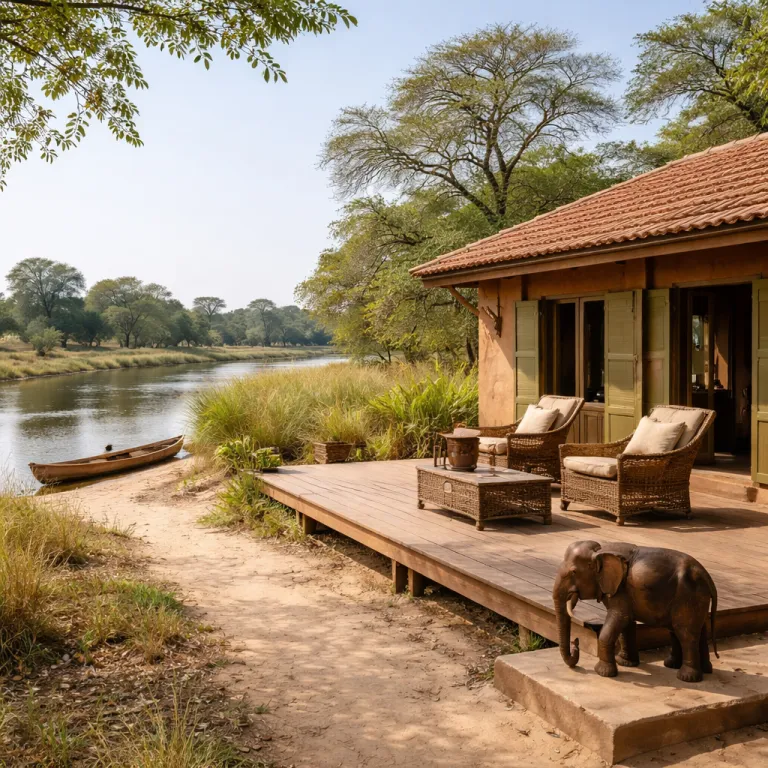
Nzovu Rundu and the rise of the Zambian owned safari lodge
Nzovu Rundu Luxury Camp on the Nkalange Channel of the Lower Zambezi is being positioned by its promoters as a test case for how a Zambian owned safari lodge can redefine top tier bush hospitality. Planned and operated, according to early trade briefings, by the Lusaka based company Shearzone Safaris and scheduled to open with ten chalets, including eight luxury suites and two family units each with a private plunge pool, the camp is expected to sit in a prime wildlife corridor between the river and the escarpment where game moves constantly. For couples comparing safari lodges in Zambia, this launch signals that ownership is no longer a footnote but a filter for choosing the best balance between luxury, conservation and community impact, even though final opening dates and detailed ownership structures should still be confirmed directly with the operator.
Being Zambian owned changes how a lodge or camp recruits, trains and retains its guiding équipe, because decisions about salaries, seasons and specialist training are made by people who live with Zambia’s realities rather than by distant head offices. Operators such as Ila Safari Lodge in Kafue National Park, Lion Camp Safari Lodge in South Luangwa National Park and Mukambi Safari Lodge on the Kafue River have already shown through long standing local teams and year round employment that locally anchored management can keep experienced guides through tough years, which directly improves the quality of game drives and walking safaris. When a safari lodge is owned in Zambia, more of the profit from each luxury safari stay typically remains in park Zambia, supporting anti poaching work, local schools and community projects that keep wildlife viable in the long term, with some properties reporting that well over half of their staff are recruited from neighbouring communities.
Nzovu Rundu will join a small but growing cohort of Zambian owned safari lodges that operate at the same level as international brands while keeping decision making in country. Royal Zambezi Lodge on the Lower Zambezi River, for example, has become a reference point for how a Zambezi lodge can combine serious wildlife viewing, refined service and strong community links along the Zambezi River, with published reports highlighting its support for conservation initiatives and local employment. One long serving guide there describes the appeal simply: “Guests see the same faces season after season, and that trust lets us tell deeper stories about this river.” As more lodges Zambia wide move towards eco tourism and community involvement, the question for travelers is shifting from which park or river to visit to which locally owned safari camp or lodge can deliver the most meaningful experience in Africa’s most quietly ambitious safari nation.
From Royal Zambezi to Nzovu Rundu: ownership as a quality signal
Royal Zambezi Lodge was the first Zambian member of The Long Run, and that membership signalled that a Zambian owned safari lodge on the Lower Zambezi could meet global standards for conservation, community, culture and commerce. The lodge sits opposite the Zambezi National Park buffer and close to Lower Zambezi National Park, where guests move between boat safaris on the Zambezi River, canoe outings past hippo pods and game drives into the national park’s inland channels. For couples, the appeal lies in knowing that a luxury property on the river is not only offering romance and comfort but also reinvesting in Zambia’s wildlife and communities through a recognised sustainability framework, with independent audits tracking everything from energy use to local employment.
Nzovu Rundu Luxury Camp will open into this context, aligning more closely with Royal Zambezi than with foreign brand arrivals such as Anantara Kafue that are entering Kafue National Park from outside ownership structures. A Zambian owned safari lodge can typically adjust rates, refurbish safari tents or chalets and tweak conservation levies faster, because approvals do not have to move through multiple offshore boards. That agility matters when flooding shifts channels on the Zambezi River, when wildlife corridors change in South Luangwa or when new regulations affect how lodges Zambia wide operate inside Luangwa National Park and Kafue National Park concessions, and it often allows local owners to keep staff on payroll during shoulder seasons rather than closing completely.
For travelers drawn to slow safaris and longer stays, ownership now sits alongside guide credentials and location when building an itinerary. When you read about the case for slow safaris in Zambia, you see how staying longer in one national park amplifies both wildlife sightings and local impact, and a Zambian owned safari lodge is often better placed to channel that spend into year round employment and skills development. As one industry FAQ puts it, “What is the best time to visit Zambian safari lodges? Dry season from May to October.”, and that dry season window is exactly when couples can see how local ownership, well trained guides and carefully managed game drives combine to create a luxury safari that feels both indulgent and responsible, especially when combined with transparent conservation levies and clear reporting on how those funds are used.
How to book for impact: a couple traveler’s checklist for Zambian ownership
Couples planning a first trip to Zambia often start with headline names such as South Luangwa National Park, Kafue National Park and Victoria Falls, then work backwards to find a safari lodge that fits their dates. The smarter approach is to decide what kind of experience you want first, whether that is walking safaris in South Luangwa, river based safaris on the Lower Zambezi or a mix of game drives and cultural time near Livingstone, then look for a Zambian owned safari lodge that matches that brief. Resources such as detailed Luangwa Valley safari guides help you understand how properties like Puku Ridge or Lion Camp Safari Lodge position themselves within Luangwa National Park, and how their ownership models influence everything from guiding depth to community projects and long term conservation partnerships.
When comparing lodges Zambia wide, ask directly whether the lodge is Zambian owned, how long the core guiding team has been in place and what proportion of staff come from nearby communities. A camp such as KaingU Safari Lodge on the Kafue River or Tongabezi Lodge near Victoria Falls shows how long term local hiring, serious training and close work with conservation organisations can turn a simple set of safari tents or chalets into a deeply textured stay. For couples who care about both romance and responsibility, a Zambian owned safari lodge that invests in its people will usually deliver more nuanced wildlife interpretation, better tailored activities and a calmer, more confident service style, especially when managers live on site and know guests and staff by name.
Ownership alone is not a guarantee of excellence, and some foreign owned properties in park Zambia still offer outstanding guiding and conservation work, while a few locally owned operations struggle with capital and consistency. This is where curated platforms such as a Lusaka and safari luxury guide become useful, because they benchmark how different lodge and camp operators perform across Zambia’s main regions. When you weigh a riverside stay at Royal Chundu on the upper Zambezi River against time at Royal Zambezi or a future booking at Nzovu Rundu Luxury Camp, the key is to treat the phrase Zambian owned safari lodge as a starting point, then interrogate the details of wildlife density, guide quality, sustainability commitments and how your stay will support the long term health of Africa’s most quietly confident safari parks.
FAQs about Zambian owned safari lodges for couples
Is Nzovu Rundu Luxury Camp already open? At the time of writing, Nzovu Rundu is described in operator briefings as an upcoming Lower Zambezi camp rather than a fully opened property, so couples should confirm current status, ownership and opening dates directly with Shearzone Safaris or their chosen safari specialist before booking.
Do locally owned lodges cost more than foreign owned camps? Prices vary widely by location and season, but Zambian owned safari lodges often compete directly with international brands on nightly rates while keeping more revenue in country through local salaries, procurement and conservation levies that support national parks and surrounding communities.