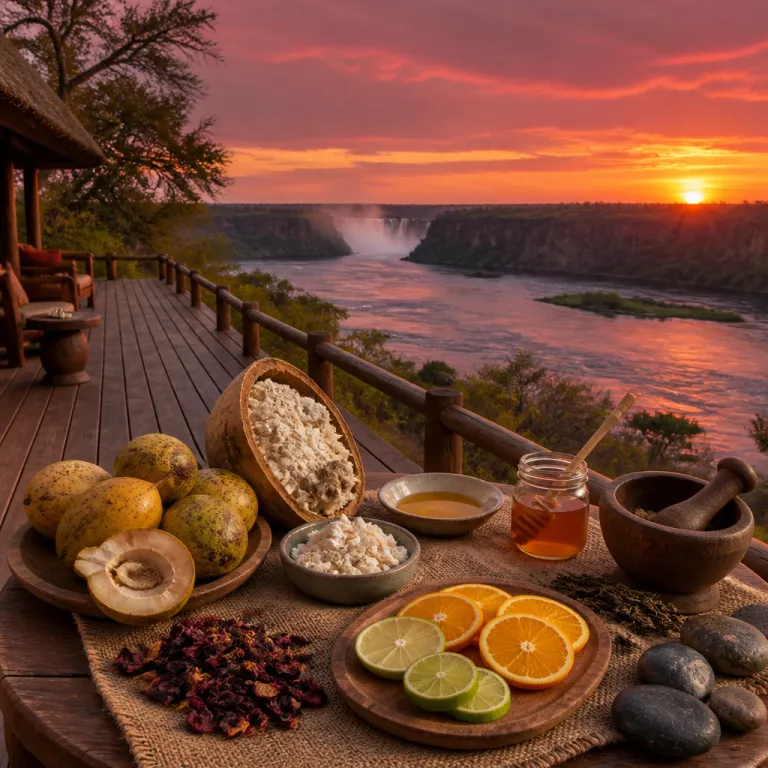
Luxury travel guide to Victoria Falls and Mosi-oa-Tunya
Key facts about Victoria Falls every luxury guest should know
Victoria Falls is the largest continuous curtain of falling water on Earth. Stretching about 1 708 meters across the Zambezi River between Zambia and Zimbabwe, it forms one of Africa’s most dramatic natural wonders. This immense waterfall shapes the entire surrounding area, influencing hotel locations, safari logistics, and seasonal travel choices.
On the Zambian side near Livingstone, the falls plunge roughly 108 meters into a deep basalt gorge carved over millennia. The Zambezi River narrows abruptly here, forcing the water to drop in a single, thunderous sheet that creates dense spray and a permanent mist. These conditions explain why many premium lodges orient suites and viewing decks toward the gorge, giving guests uninterrupted views of the changing flow.
The local name for Victoria Falls is Mosi-oa-Tunya, often shortened to Mosi Tunya, meaning “The Smoke That Thunders” in the local Kololo language. This phrase captures the towering spray and constant roar that luxury travellers hear from river-facing suites and elevated decks. When you read background information about Victoria Falls in hotel descriptions, this dual identity between Victoria Falls and Mosi-oa-Tunya is central to how properties frame their sense of place.

The story behind Mosi oa Tunya and how it shapes your stay
Long before the explorer David Livingstone reached this section of the Zambezi, local communities revered the falls as a sacred site. The indigenous tribes who lived along the river had already named the waterfall Mosi-oa-Tunya, and their relationship with the water still informs conservation practices today. When you stay in luxury lodges inside or near Mosi-oa-Tunya National Park, you are entering a landscape where cultural heritage and high-end hospitality intersect.
Historical context matters for modern travellers choosing where to stay. David Livingstone is recorded as the first European to see the falls in 1855, and his name now anchors the nearby city of Livingstone on the Zambian side. Many premium hotels and river lodges use this heritage in their design, pairing colonial-era references with contemporary African art while still respecting the national park’s conservation rules.
One verified explanation often shared on guided tours is the question: “What is Victoria Falls’ local name?” and the answer “Mosi-oa-Tunya, meaning ‘The Smoke That Thunders’.” Luxury properties increasingly work with qualified local guides who can interpret this history during private walks along the gorge and through the surrounding national parks. As one Livingstone-based guide explains, “When guests understand that Mosi-oa-Tunya was sacred long before tourism, they see their stay as part of a much older story.” For travellers interested in responsible luxury, it is worth reading about Zambia’s conservation model and how high-end stays contribute to preservation, which is explored in depth in this analysis of what Zambia’s conservation model asks of luxury travellers (accessed 2024).
Seasonal flow, spray, and when to book your luxury hotel
The Zambezi River’s flow rate is the single most important factor shaping the guest experience at Victoria Falls. Hydrologists measure an average flow rate of around 1 088 cubic meters of water per second, but this number hides dramatic differences between the dry season and the flood season. According to long-term records from the Zambezi River Authority (summarised in public reports consulted in 2023), peak discharges in very wet years can exceed 9 000 cubic meters per second, while late dry-season flows may drop below 400. Understanding these seasonal dynamics helps you choose the right month, the right room category, and even the right side of the border for your stay.
During the flood season, usually from about February to May, the Zambezi River swells and the falls–Zambezi combination becomes overwhelming in the best possible way. The water volume is so intense that spray can rise hundreds of meters above the gorge, drenching walkways in Mosi-oa-Tunya National Park and sometimes obscuring the main waterfall from certain viewpoints. Luxury hotels on both the Zambian side and the Zimbabwean side often highlight this period for guests who want to feel the full power of the “smoke that thunders” from their balconies.
In the dry season, typically June to October, the flow of water decreases and separate gorges and basalt ledges become more visible. This is when exclusive activities such as swimming in Devil’s Pool near Livingstone Island are possible, and when some premium camps reopen after the rains. If you are planning a high-end safari that combines Victoria Falls with remote national parks, consult a specialist field guide to Zambia’s June openings such as this field guide to the best camps to book for the coming dry season (reviewed 2024).
Choosing between the Zambian and Zimbabwean sides for luxury stays
One of the most practical pieces of information for hotel guests is that the waterfall straddles two countries, Zambia and Zimbabwe. The international border runs through the middle of the Zambezi River, creating a Zambezi–Zambia–Zimbabwe triangle of options for high-end accommodation. Each side offers distinct perspectives on the falls, different access to national parks, and its own style of luxury hospitality.
The Zambian side, anchored by the city of Livingstone and Mosi-oa-Tunya National Park, places you physically closer to the lip of the waterfall. From certain river lodges, you can hear the water at night and reach the main viewpoints within minutes, especially in the south of the park where the basalt gorge tightens. Many travellers choose Zambia for intimate riverfront suites, easy access to Livingstone Island, and seamless connections to other Zambian national parks such as South Luangwa and Kafue.
The Zimbabwean side offers a more continuous frontal view of the waterfall, especially when the flow is strong across the full width of Victoria Falls. Luxury hotels in this area often market the fact that more of the main curtain remains visible even in the dry season, when some sections on the Zambian side can thin out. Whichever side you choose, the iconic Victoria Falls Bridge links Zambia and Zimbabwe, and many premium itineraries include guided crossings that combine both perspectives in a single stay.
Iconic viewpoints, gorges, and islands for premium experiences
Beyond the main viewpoints, several specific locations around Victoria Falls have become essential for luxury travellers seeking depth and privacy. Livingstone Island sits on the Zambian side of the Zambezi River, right on the edge of the waterfall, and hosts tightly controlled visits that often include gourmet breakfasts or sundowner drinks. Access is limited by the water level, so understanding seasonal patterns at Victoria Falls is crucial if this island experience is a priority.
Downstream, the Batoka Gorge and its series of connected gorges reveal the geological story behind the falls. Over time, the Zambezi has cut through layers of basalt, retreating upstream and leaving a zigzag pattern of gorges that you can see clearly from helicopter flights or from certain cliff-top lodges. Some high-end properties offer private picnics on secluded ledges above the gorge, where you can watch the river flow far below while still hearing the distant thunder of the falls.
For guests who want a quieter connection to the river and surrounding national parks, a stay at an elevated safari camp further along the Zambezi can be ideal. Properties such as those featured in this overview of elevated safari luxury for Zambia bound travellers (current as of 2024) show how river-facing tents and suites can complement a visit to Victoria Falls. By combining time at the waterfall with nights in more remote Zambezi River stretches, you experience both the drama of the falls and the calm of the wider river system.
How Victoria Falls shapes Zambia’s luxury travel and conservation
Victoria Falls is not only a spectacular waterfall, it is also a strategic engine for Zambia’s luxury travel sector. The falls attract international visitors whose stays in Livingstone, Mosi-oa-Tunya National Park, and other national parks generate significant revenue for conservation. This economic link between water, wildlife, and high-end hospitality is one of the most important long-term considerations for conscious travellers.
Hydroelectric power generation on the Zambezi River, managed jointly by Zambia and Zimbabwe, adds another layer of complexity to the region. Authorities must balance the need for reliable electricity with the preservation of natural wonders, the integrity of the basalt gorges, and the health of downstream ecosystems. Climate change is already affecting the flow of water, which in turn influences the visual impact of the falls, the timing of the dry season and flood season, and the planning horizons for luxury hotel operators.
For guests, this means that choosing a premium property with strong conservation credentials is more than a lifestyle preference. It is a direct contribution to the protection of Mosi-oa-Tunya, the surrounding national parks, and the communities who have lived along the Zambezi for generations. When you evaluate hotels, look for transparent partnerships with local guides, clear support for park management, and honest communication about how changing flow patterns may affect your view of Victoria Falls during your stay.
Practical guidance for planning a luxury stay at Victoria Falls
Planning a high-end trip to Victoria Falls starts with aligning your expectations with the river’s rhythm. If your priority is to see the waterfall at its most powerful, aim for the months when the Zambezi River is in full flood and the “smoke that thunders” is visible from far across the national park. Be aware that during this peak flow, some viewpoints can be saturated with spray, and certain activities near the lip of the falls may be restricted for safety.
Travellers who prefer clearer views into the gorge and more adventurous experiences often choose the later dry season. At this time, the water recedes enough to reveal the underlying basalt formations, and the separate channels of the falls–Zambezi system become more distinct. This is also when cross-border itineraries between Zambia and Zimbabwe are easiest to combine with extended safaris in other national parks to the south and north.
Visa requirements for Zambia and Zimbabwe vary by nationality, so confirm entry rules before booking non-refundable luxury stays. Many premium hotels in Livingstone and on the Zimbabwean side can arrange private transfers across the Victoria Falls Bridge, guided tours of both sides, and tailored excursions to Livingstone Island or the Batoka Gorge. By working with an experienced guide and a property that understands the detailed characteristics of Victoria Falls, you can design an itinerary that matches your comfort level, your time frame, and your appetite for water-based adventure.
Key figures and statistics about Victoria Falls
- Victoria Falls spans approximately 1 708 meters in width, making it one of the widest continuous waterfalls in the world according to data compiled by reference sites such as Wikipedia and regional mapping surveys (figures cross-checked in 2023); this width allows multiple distinct sections of the falls to operate at different intensities across seasons.
- The average height of the waterfall is about 108 meters from the lip to the base of the basalt gorge, a vertical drop that creates the powerful “smoke that thunders” effect and influences how close viewing platforms and hotel viewpoints can safely be constructed, based on measurements reported in geology-focused publications up to 2022.
- The long-term average flow rate of the Zambezi River at Victoria Falls is estimated at around 1 088 cubic meters of water per second, as reported by geology-focused publications and regional water authorities; this figure, drawn from datasets updated through the early 2020s, fluctuates significantly between the dry season and the flood season, shaping both visitor experience and hydroelectric planning.
- Victoria Falls and the surrounding Mosi-oa-Tunya and Victoria Falls National Parks were jointly inscribed as a UNESCO World Heritage Site in 1989, a designation recorded on the official UNESCO World Heritage List and one that underpins many of the conservation commitments made by luxury lodges and national authorities on both sides of the border.
- Tourism linked directly to Victoria Falls contributes a substantial share of regional income for the Livingstone area in Zambia and the Victoria Falls town area in Zimbabwe, supporting thousands of jobs in guiding, hospitality, transport, and conservation-related services, as highlighted in regional tourism board reports and economic impact studies published over the last decade.
FAQ about Victoria Falls for luxury and premium travellers
Is Victoria Falls really the largest waterfall in the world ?
By the combined measure of width and height, Victoria Falls is widely recognized as the largest waterfall in the world. While some waterfalls have a higher single drop and others carry more water at peak flow, none match the continuous curtain of water that stretches across the Zambezi River here. This scale is one of the core reasons that justify its status among the top natural wonders.
What is the best time of year to visit Victoria Falls for luxury stays ?
The best time depends on whether you prioritize maximum water flow or clearer views. From roughly February to May, the flood season delivers the most dramatic “smoke that thunders” and intense spray, which some guests love and others find overwhelming. From June into the later dry season, the flow decreases, revealing more of the gorge and basalt formations and enabling activities such as visits to Livingstone Island and Devil’s Pool.
Can you swim at Victoria Falls in Devil’s Pool safely ?
Swimming in Devil’s Pool near the edge of Victoria Falls is only permitted during low water periods under the supervision of licensed guides. Operators assess the Zambezi River’s flow rate daily and cancel trips if conditions are unsafe, so always book through reputable companies recommended by your hotel. When managed correctly, this experience offers a controlled way to feel the power of the waterfall without compromising safety.
Which side is better for luxury hotels, Zambia or Zimbabwe ?
Both sides offer excellent luxury options, but they emphasize different strengths. The Zambian side around Livingstone and Mosi-oa-Tunya National Park excels for close access to the lip of the falls, riverfront lodges, and easy connections to other Zambian national parks. The Zimbabwean side generally provides broader panoramic views of the main waterfall, especially when the Zambezi River is in strong flow, and some guests choose to split their stay between both sides.
How is climate change affecting Victoria Falls and luxury tourism ?
Climate change is influencing rainfall patterns across the Zambezi River basin, which in turn affects the timing and intensity of both the dry season and the flood season at Victoria Falls. These shifts can alter the visual impact of the waterfall during certain months and require hotels and national park authorities to adapt their planning. Responsible luxury travellers can support resilience by choosing properties that invest in conservation, water efficiency, and community partnerships linked to the long-term health of the falls.