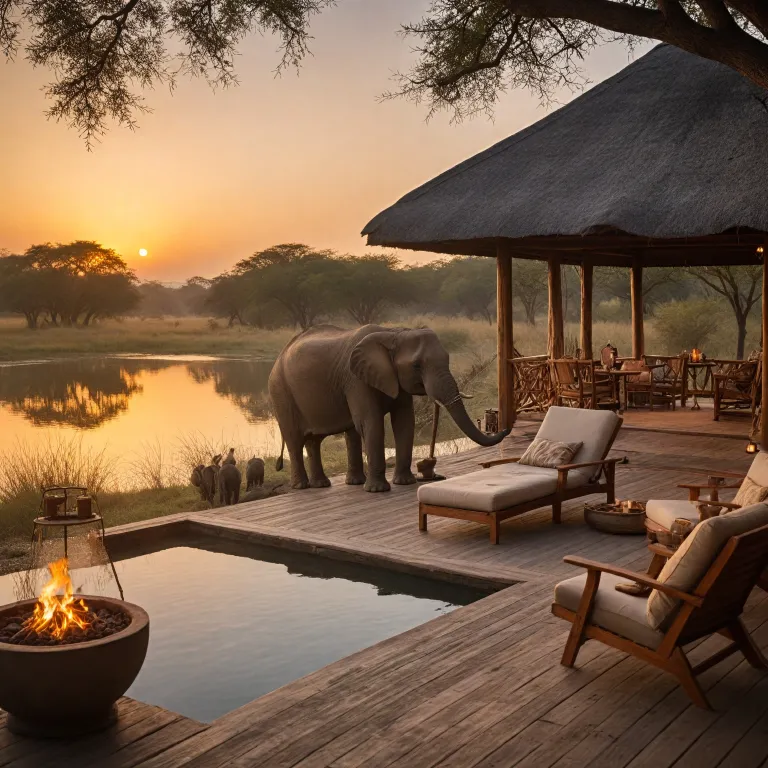
Planning a refined zambia safari around national parks and rivers
Planning a luxury trip to Zambia starts with understanding its geography. The country’s great national parks form a wide arc of wilderness across this part of Africa, with the Luangwa, Kafue and Zambezi river systems shaping every safari experience. When you plan early and match your expectations to specific regions, you transform a simple holiday into an elegant, highly personalised journey.
Most travellers begin by choosing which park to prioritise for their zambia safari. South Luangwa National Park is famous for walking safaris along the Luangwa river, while Kafue National Park offers immense space and varied wildlife across its plains and woodlands. The Lower Zambezi area, bordering the Zambezi National Park across the zambezi river, is ideal for canoeing, boating and relaxed game viewing from the water.
Luxury and premium properties in Zambia range from intimate bush camp hideaways to larger riverside lodge retreats. A bush camp in the south Luangwa region might focus on walking safari activities, while a zambezi national riverside lodge near Lower Zambezi emphasises boating and fishing. When you compare lodges and camps, look at how each integrates with the surrounding bush and how many guests they host at one time.
Travel logistics also shape your safari Zambia itinerary and hotel choices. Many high end camps in luangwa national and kafue national areas are reached by light aircraft, then 4x4 transfers through the bush. Factor these transfers into your budget and timing, especially if you want to combine Victoria Falls with more than one national park during the same trip.
Choosing luxury lodges and camps for an exceptional safari experience
Selecting the right lodge or camp in Zambia requires more than browsing glossy images. For a truly elevated safari experience, focus on location within the park, guiding standards and how the property manages its impact on wildlife and local communities. In South Luangwa, for example, The Bushcamp Company operates camps deep in the bush, giving guests direct access to prime walking safaris at first light.
In Kafue National Park, Wilderness Safaris manages remote camps that place you close to diverse wildlife, including some of the 152 mammal species recorded there. These properties often sit along a river or seasonal lagoon, which enhances game viewing throughout the day and night. When comparing options, ask how far the lodge is from key wildlife areas and whether drives regularly explore different habitats within the national parks.
Design and atmosphere also matter for travellers seeking premium comfort in the Africa bush. Some guests prefer a classic tented camp overlooking the river, while others favour a contemporary lodge with spacious suites and private plunge pools. For inspiration on how creative interiors can elevate your stay, explore this guide to creative spaces and luxury hotel booking experiences in Zambia.
Finally, consider how each property structures its activities across the day. A well run safari Zambia lodge will offer morning and afternoon game drives, optional walking safari excursions and, in Lower Zambezi, time on the zambezi river. Clarify whether walking safaris are included, how many guests share a vehicle and whether private guiding is available for those who want a more tailored zambia safari.
Integrating Victoria Falls and riverside stays into your itinerary
Many travellers planning a zambia safari want to include Victoria Falls without compromising time in the bush. The Zambian side of the falls offers refined hotels along the zambezi river, where you can enjoy riverfront suites before or after time in national parks. This combination allows you to balance the drama of Victoria Falls with quieter days in the Africa wilderness.
Staying near Victoria Falls also provides easy access to activities that complement a traditional safari experience. You can cruise the zambezi river at sunset, visit local craft markets or take scenic helicopter flights above the gorge. For a detailed sense of how maps and location shape your stay, review this resource on how a Victoria Falls Zambia map elevates luxury hotel stays.
When combining Victoria Falls with South Luangwa or Lower Zambezi, pay attention to flight connections and transfer times. Many premium travellers choose at least three nights near the falls, followed by four to six nights split between a river lodge and a bush camp. This rhythm allows time for walking safaris, boat safaris and classic game drives, while still leaving space for relaxed afternoons by the pool or spa.
Remember that Victoria Falls is not a national park in the same sense as Kafue or south Luangwa, but it sits within a broader conservation landscape. The zambezi national and neighbouring protected areas support wildlife that moves along the river corridor. By staying in responsible lodges and supporting reputable operators, your visit Zambia journey contributes to conservation efforts that extend well beyond the falls themselves.
Seasonality, best time to travel and planning multi park safaris
Understanding seasonality is essential when booking luxury hotels and camps for a zambia safari. The dry season from May to October is widely regarded as the best time for game viewing in most national parks, because wildlife concentrates around remaining water sources. During these months, the bush thins out, making it easier to see animals on walking safaris and from vehicles.
The wetter months bring a different but equally compelling safari experience in Zambia. Landscapes turn lush and green, birdlife becomes spectacular and some camps offer reduced rates that appeal to value conscious luxury travellers. However, certain bush camp properties in luangwa national and kafue national areas may close when roads become impassable, so always confirm seasonal operations before you travel.
When planning multi park safaris, consider how each region complements the others across your itinerary. A classic combination might include South Luangwa National Park for walking safari activities, Lower Zambezi for river based safaris and Kafue National Park for wide open plains. This mix delivers varied wildlife, different styles of lodge and camp, and a rich sense of Africa’s contrasting ecosystems.
For travellers interested in broader regional dynamics, it is worth noting that the famous wildebeest migration occurs mainly in East Africa rather than Zambia. However, Zambia’s own wildlife spectacles, such as large elephant herds and unique species like Thornicroft’s giraffe, offer equally memorable moments. By aligning your visit Zambia dates with the best time for your chosen parks, you ensure that every day of your safari Zambia journey feels thoughtfully curated and rewarding.
Safety, conservation ethics and the role of expert operators
Safety and ethics are central considerations when booking premium lodges and camps in Zambia. The Zambia Wildlife Authority oversees national parks and wildlife resources, setting the framework within which reputable operators must work. When you choose established partners, you support conservation while also ensuring that your safari experience meets high professional standards.
Walking safaris are a signature activity in South Luangwa and other parks, and many guests ask whether they are safe. The guidance is clear ; “Yes, when conducted with experienced guides, walking safaris are safe and provide a unique way to experience wildlife.” This reassurance reflects decades of expertise, dating back to the pioneering work of Norman Carr, who helped introduce walking safaris and reshape how visitors engage with the bush.
Responsible operators such as The Bushcamp Company in south Luangwa and Wilderness Safaris in Kafue National Park invest heavily in guide training and community partnerships. Their teams understand animal behaviour, river dynamics and bush conditions, which is essential for safe walking safari outings and canoe trips on the zambezi river. Before confirming a booking, ask about guide qualifications, safety briefings and how the camp manages close wildlife encounters.
Conservation minded travellers should also look at how each lodge or bush camp contributes to local communities and habitat protection. Many properties support schools, healthcare initiatives and anti poaching efforts, aligning your visit Zambia with tangible benefits on the ground. For deeper insight into how creative partnerships shape the guest journey, explore this article on artistic collaborations shaping luxury and premium hotel booking experiences in Zambia, which highlights how culture, design and conservation can intersect.
Practical booking advice for premium travellers planning a zambia safari
Thoughtful preparation ensures that your luxury zambia safari feels seamless from the moment you land. Begin by consulting a specialist who understands Zambia’s national parks, internal flight networks and the nuances of each lodge and camp. They can help you balance time between South Luangwa, Lower Zambezi, Kafue and Victoria Falls, while also advising on the best time to travel for your interests.
Health and packing considerations are particularly important when moving between bush camp locations and riverside lodges. Ensure vaccinations are current, follow medical advice on malaria prophylaxis and pack layers suitable for cool mornings and warm afternoons. Lightweight, neutral clothing works well for walking safaris, while a good pair of binoculars enhances game viewing throughout the day.
When comparing offers, look beyond headline rates to understand what is included in your safari Zambia package. Many premium lodges bundle game drives, walking safari activities, meals and local drinks, while some also include flights between parks. Clarify whether park fees, conservation levies and transfers along the zambezi river or Luangwa river are part of the quoted price, as these can significantly affect overall value.
Finally, consider how your Zambia journey fits within wider Africa travel plans. Some guests combine visit Zambia itineraries with time in South Africa, while others focus entirely on Zambia’s quieter national parks and river landscapes. Whatever you choose, prioritise properties and operators that respect wildlife, support communities and offer the depth of safari experience that turns a simple holiday into a meaningful, lifelong memory.
Key statistics about Zambia’s safari landscape
- Number of national parks in Zambia : 20 parks.
- Approximate percentage of Zambian land allocated to conservation : 40 %.
- Recorded mammal species in Kafue National Park : 152 species.
- Recorded bird species in South Luangwa National Park : 400 species.
Essential questions for planning your Zambia safari
What is the best time to go on a safari in Zambia?
The dry season from May to October is generally considered the best time for a zambia safari focused on game viewing. During these months, vegetation is thinner and animals gather around rivers and remaining waterholes, which improves visibility. The wet season from November to April offers lush scenery and exceptional birding, so it suits travellers who value landscapes and birdlife as much as big game.
Are walking safaris safe in Zambia?
Walking safaris in Zambia are safe when conducted by experienced, licensed guides who understand animal behaviour and bush conditions. Reputable operators in South Luangwa, Lower Zambezi and other national parks follow strict safety protocols, including detailed briefings before each walk. Guests are expected to follow instructions closely, maintain single file and respect the wildlife’s space, which together keep risk to a minimum.
What wildlife can I expect to see on a Zambian safari?
On a typical safari Zambia itinerary, you can expect to see elephants, lions, leopards, hippos and crocodiles, especially along the Luangwa and Zambezi river systems. South Luangwa and Kafue National Park are also known for unique species such as Thornicroft’s giraffe and Cookson’s wildebeest, which are rarely seen outside Zambia. Bird enthusiasts will appreciate the rich avifauna, with hundreds of species recorded across the major parks and riverine habitats.