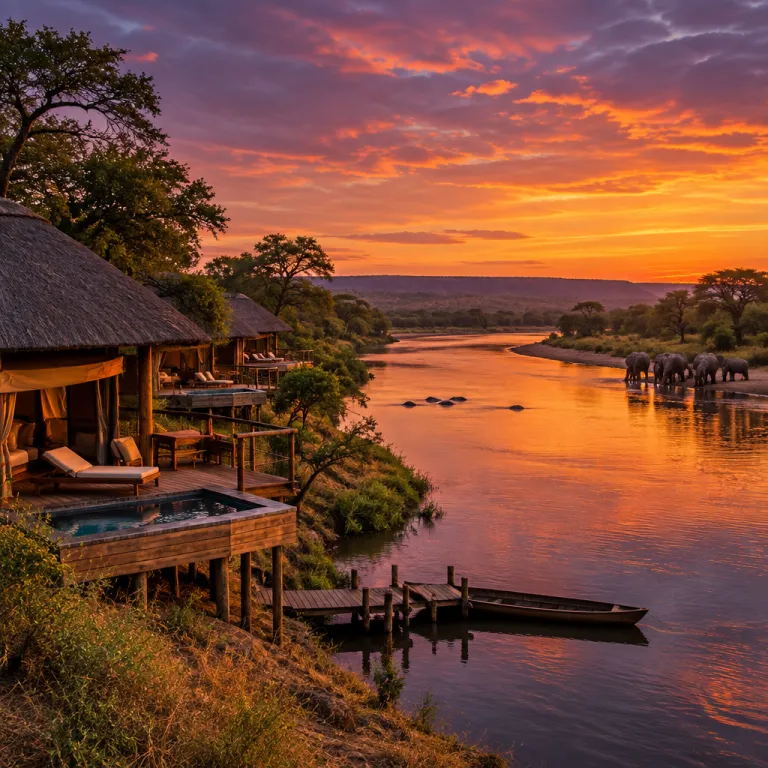
Why the lower Zambezi is Zambia’s most intimate river safari stage
The Lower Zambezi stretches along the northern bank of the great Zambezi River, facing Zimbabwe across a broad silver channel. This area lower down the Zambezi in Zambia offers a rare blend of raw wildlife and polished comfort, ideal for travelers seeking a refined safari experience. Here, everyone staying in a river camp or safari lodge feels close to the water, the game, and the night skies.
Protected as the Lower Zambezi National Park, this section of Zambia lower on the Zambezi forms part of a wider transfrontier conservation area in Southern Africa. The national park sits opposite Zimbabwe’s Mana Pools, creating a vast sanctuary where wildlife moves freely between the two Zambezi national reserves, and where safaris by boat, vehicle, and foot reveal different layers of the ecosystem. Compared with South Luangwa or the area around Victoria Falls, the Lower Zambezi offers fewer lodges and camps, which keeps the park uncrowded and the experience deeply personal.
Access is straightforward from Lusaka Airport, with scheduled light aircraft flights taking you from the capital of Zambia to airstrips near the Zambezi River in under an hour. Many travelers pair a stay in the Lower Zambezi National Park with time in South Luangwa, using curated itineraries that balance intense game drives with slower river days. For guests arriving from South Africa or via regional hubs, the connection through Lusaka keeps travel time manageable while still delivering a sense of arrival into a remote, wild river valley.
Choosing the right lodge or camp along the Zambezi River
Accommodation in the Lower Zambezi ranges from elegant tented camp options to architect-designed safari lodge properties, all positioned to showcase the river. A Zambezi lodge on the main channel offers sweeping views of the Zambezi River, while a more secluded bush camp or tree camp along a side channel can provide a quieter wildlife experience. The best lodges balance privacy for guests with easy access to game drives, river safaris, and guided walks inside the national park.
Names such as Sausage Tree Camp, Potato Bush Camp, and Chongwe River Camp have become synonymous with high-end safaris in Zambia lower on the Zambezi. Sausage Tree sits in a prime game area, with spacious suites and a focus on tailored guiding, while Potato Bush offers a more intimate camp layout that still delivers premium comfort. Chongwe River Camp, near the confluence of the Chongwe River and the Zambezi, is known for its relaxed atmosphere and strong reviews from guests who value both wildlife and hospitality.
Many travelers work with specialist operators who understand how to pace a multi-park journey and match guests to the right style of camp. For detailed inspiration on pairing river and woodland ecosystems, you can consult a dedicated guide to luxury stays in Zambia’s South Luangwa and wild experiences. When comparing options, look closely at what is included per person per night, such as private guiding, boat activities on the Zambezi River, and whether the safari lodge offers flexible dining for early or late game drives.
Signature safari experiences: from river safaris to starlit nights
Days in the Lower Zambezi usually begin with soft light over the Zambezi River and the distant call of fish eagles. Guests head out on early morning game drives inside the Lower Zambezi National Park, searching for lion, leopard, elephant, and plains game that move between the river and the inland plains. The combination of riverine forest and open floodplains makes this park one of the best places in Zambia to see wildlife against a dramatic Africa backdrop.
As the sun climbs higher, many lodges shift focus from vehicle safaris to water-based activities on the Zambezi. Canoe trips along quiet channels near your river camp or tented camp allow you to glide past hippos and crocodiles at a safe distance, while boat safaris offer a more relaxed way to watch elephants crossing the Zambezi River. Anglers can target tigerfish during the day, then return to their safari lodge for a refined dinner and a night under clear Southern Africa stars.
Travelers often combine the Lower Zambezi with a stay near Victoria Falls, creating a contrast between river wilderness and the drama of the falls. For those interested in wellness and design-led lodges around Livingstone, a detailed feature on a wellness first lodge near Victoria Falls shows how Zambia’s hospitality scene is evolving. Whether you arrive from Lusaka, South Africa, or another African hub, the Lower Zambezi offers an experience where you can slow down, listen to the river at night, and feel immersed in a national park that still feels genuinely wild.
Planning your journey from Lusaka and beyond
Reaching the Lower Zambezi usually starts with a flight into Lusaka, the capital of Zambia and the main aviation gateway. From Lusaka Airport, small aircraft connect to airstrips serving the Lower Zambezi National Park, with flight times typically under one hour. This short hop transforms the journey from an urban center into a landscape of river channels, sandbanks, and wildlife-rich woodland.
Travelers coming from South Africa often route via Johannesburg, then connect to Lusaka before continuing to the Zambezi. Many safari lodge operators coordinate transfers from Lusaka Airport directly to their river camp or bush camp, smoothing the logistics for guests and reducing waiting time between flights. If you are combining the Lower Zambezi with South Luangwa or Victoria Falls, specialist itineraries can link these parks efficiently, ensuring that travel days remain shorter than active safari days.
Families and small groups sometimes choose to charter flights, especially when staying at multiple camps such as Sausage Tree, Potato Bush, and Chongwe River Camp in the same trip. Chartering can offer more flexibility on departure times and luggage allowances, which matters when carrying camera equipment for serious wildlife photography. For a structured example of how to pair two major parks without fatigue, review this tailored two park Zambia itinerary for families that balances South Luangwa and the Lower Zambezi.
Reading and using guest reviews for luxury stays
When choosing where to stay in the Lower Zambezi, guest reviews provide valuable insight into service, guiding, and overall atmosphere. Look for detailed reviews that mention specific aspects of the safari lodge, such as the quality of game drives, the comfort of the tented camp rooms, and how staff handle special requests per person. Comments about night sounds, river views, and wildlife sightings along the Zambezi River can help you understand the true character of each camp.
Properties like Sausage Tree, Potato Bush, and Chongwe River Camp often receive strong feedback for their guiding teams and their ability to tailor safaris to different interests. Some guests praise Sausage Tree for its position in a prime game area lower in the park, while others highlight the intimate feel of Potato Bush or the relaxed social spaces at Chongwe on the Chongwe River. One recent guest review from 2023 described waking to “elephants feeding just metres from the deck, with the Zambezi mist rising behind them,” a small detail that captures the immediacy of the setting.
It is also useful to read how lodges respond to any critical reviews, as this reveals their approach to service recovery and long-term guest care. A safari lodge that addresses concerns transparently and explains changes made after feedback usually demonstrates strong management and a commitment to continuous improvement. In a remote national park like the Lower Zambezi, where logistics are complex and nights can bring unexpected challenges, that level of responsiveness can be as important as the design of the camp itself.
Matching camps and activities to your travel style
Every traveler arrives in the Lower Zambezi with different expectations, from intense wildlife photography to slow-paced river safaris. If your priority is game viewing, choose a safari lodge or tented camp located in a core game area of the national park, where game drives can start quickly at first light. Guests who value quiet time may prefer a smaller bush camp or tree camp along a side channel of the Zambezi, where the night is filled with softer river sounds.
Couples often select Sausage Tree or similar high-end Zambezi lodge properties for their spacious suites, private plunge pools, and flexible dining. Families might gravitate toward Potato Bush or Chongwe River Camp, where multi-room tents and varied activities keep everyone engaged, from boat safaris on the Zambezi River to gentle canoe trips on the Chongwe River. Travelers combining the Lower Zambezi with other regions can work with specialists who understand how to balance active days in one park with more relaxed river time in another area lower down the Zambezi.
Whatever your style, the best itineraries in Zambia lower on the Zambezi build in time to simply sit and watch wildlife along the river. Elephants crossing at dusk, hippos emerging at night, and birds moving through the riverine trees all contribute to an experience that feels both luxurious and deeply connected to Africa. By aligning your choice of camp, activities, and travel pace, you can ensure that your stay in the Lower Zambezi National Park becomes a highlight of any journey through Zambia and the wider region.
Key figures for planning a lower Zambezi safari
- The Lower Zambezi National Park covers roughly 4,092 square kilometres, creating a compact yet diverse wildlife area along the Zambezi River (area figure reported by the Zambia Department of National Parks and Wildlife, 2022).
- Flight time from Lusaka Airport to airstrips serving the Lower Zambezi is typically 30 to 45 minutes, which keeps total travel time from the capital under half a day including transfers (timings based on published schedules from leading Zambian charter operators in 2023).
- Many premium lodges in the Lower Zambezi limit guest numbers to around 16 to 24 people per camp, helping maintain low vehicle density on game drives and a more exclusive experience (capacity ranges drawn from publicly available lodge fact sheets).
- Typical all-inclusive rates at high-end river camps in the Lower Zambezi often range from approximately 700 to 1,500 US dollars per person per night, including activities and most drinks, depending on season and room category (pricing compiled from rate tables issued by specialist Zambian safari operators in 2023).
- Combining the Lower Zambezi with South Luangwa is one of the most popular safari pairings in Zambia, with numerous operators noting that a significant share of their Zambia itineraries feature both parks in a single trip (trend reported in recent brochures and trade updates from safari agencies).
FAQ about luxury stays in the lower Zambezi
When is the best time to visit the lower Zambezi for wildlife
The best wildlife viewing in the Lower Zambezi usually runs from the dry season months, when vegetation is thinner and animals concentrate along the Zambezi River. During this period, game drives and boat safaris offer higher chances of seeing large herds and predators. Many lodges close in the peak rains, typically between about November and March, so always check operating dates before booking.
How many nights should I spend in the lower Zambezi
A stay of three to four nights in one river camp or safari lodge allows enough time for varied activities and relaxed afternoons. Travelers combining the Lower Zambezi with South Luangwa or Victoria Falls often allocate five to seven nights across two or three camps. Longer stays suit photographers or guests who want to explore different areas of the national park in depth.
Is the lower Zambezi suitable for families with children
Many lodges in the Lower Zambezi welcome families, with some offering family tents, child-friendly menus, and flexible activity schedules. Age limits may apply for walking safaris or canoe trips on the Zambezi River, so it is important to confirm policies in advance. Choosing a camp experienced with younger guests helps ensure that each person in the family enjoys both wildlife and downtime.
How does the lower Zambezi compare with south Luangwa
The Lower Zambezi focuses strongly on river-based activities such as canoeing and boat safaris, alongside traditional game drives in the national park. South Luangwa is renowned for its walking safaris and dense concentrations of leopard in a more woodland-dominated landscape. Many travelers find that combining both parks offers the most rounded safari experience in Zambia.
Do I need malaria precautions for a trip to the lower Zambezi
The Lower Zambezi lies in a malaria risk area, so most health authorities recommend prophylactic medication and standard mosquito avoidance measures. Travelers should consult a medical professional or travel clinic well before departure to Zambia. Lodges typically provide mosquito nets and repellents, but personal preparation remains essential.
References
- Zambia Department of National Parks and Wildlife
- Zambia Tourism Agency
- African Parks and regional conservation reports