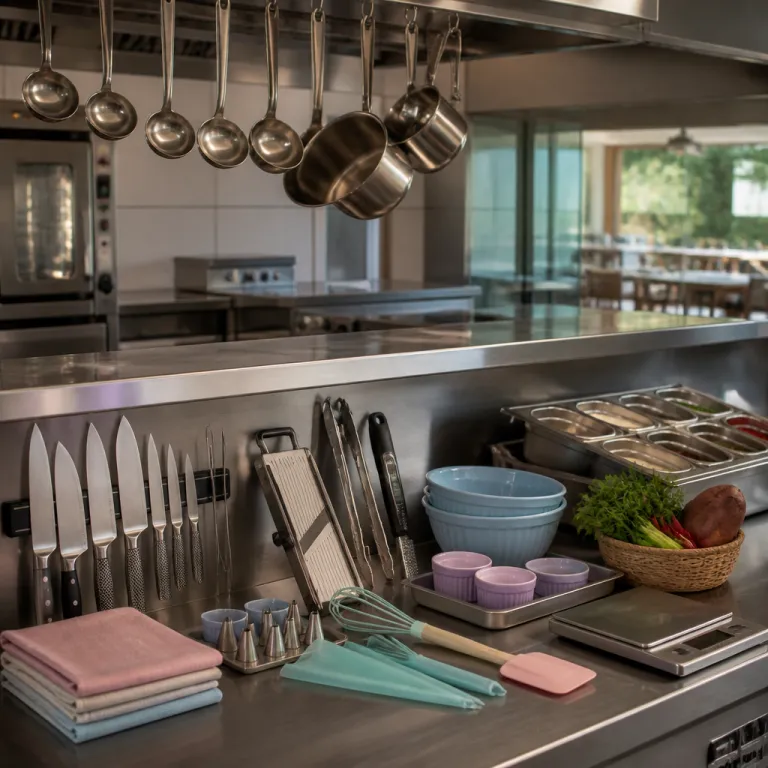
V4 Pipeline en cours for Zambia’s luxury hotel dining scene
In Zambia’s luxury hotel kitchens, the phrase “V4 Pipeline en cours” is often used internally to describe a continuous, four-stage culinary workflow: sourcing, preparation, service, and feedback. In practice, it simply means a structured farm-to-table system that top properties in Lusaka, Livingstone, and the Lower Zambezi use to refine every step from supplier to plate. This approach encourages tighter coordination between reservations, kitchen brigades, and local producers, so your dinner feels as thoughtfully curated as your suite.
Guests booking premium hotels in Zambia now expect cuisine that matches the drama of Victoria Falls and the Zambezi River. To meet that expectation, executive chefs map their own version of this four-stage pipeline, aligning menu engineering, ingredient sourcing, mise en place, and table service into a single, seamless flow. When you choose a luxury hotel, you are no longer just selecting a room; you are entering a carefully managed culinary system where every course is planned to reflect place, season, and story.
This operations mindset is especially visible in properties such as Royal Livingstone Hotel by Anantara and The River Club near Livingstone. Their chefs work closely with guest relations teams, using this structured workflow to anticipate dietary needs, preferred dining times, and even favored table locations along the river. As River Club head chef Zuwi Nawa explained in a recent media interview, “If we know a guest loves sunrise coffee on the deck, our whole morning schedule bends around that moment.” For travelers, this means fewer compromises, more tailored menus, and a sense that the kitchen knows you almost as well as the concierge.
How luxury hotel chefs in Zambia design menus around place
Menu design in Zambia’s premium hotels starts with geography rather than trends. Executive chefs look first to the Zambezi, Kafue, and Luangwa valleys for freshwater fish, seasonal vegetables, and heritage grains, then build tasting menus that express these landscapes. This terroir-driven thinking ensures that a plate of bream or a pumpkin leaf relish tells you exactly where in Zambia you are dining.
At high-end properties in Lusaka, chefs balance international expectations with regional authenticity. You might see beef carpaccio alongside grilled kudu loin, or a classic crème brûlée infused with local wild honey, all planned through an internal planning framework that tracks availability, ripeness, and guest demand. By the time a dish reaches your table, it has passed through a chain of decisions that began weeks earlier with supplier visits, field tastings, and menu-costing sessions.
In Livingstone, many luxury hotels design menus around the rhythms of Victoria Falls tourism. Lighter lunches suit guests returning from helicopter flights, while slower, multi-course dinners cater to those arriving from sunset cruises on the Zambezi. Chefs use their four-stage workflow to align these patterns with staffing, prep lists, and pastry schedules, so service feels unhurried even on peak nights. A Royal Livingstone chef once described timing dessert to the roar of the Falls: “We plate the chocolate fondant just as the last cruise boat docks, so guests arrive to something warm, fragrant, and ready.”
Meeting the chefs: what to expect when you engage behind the pass
Many luxury hotels in Zambia now invite guests to meet the chefs as part of their stay. These encounters might happen during a kitchen tour before dinner, a private cooking class, or an informal chat at the grill during a poolside barbecue. For travelers who care about food, this access turns a standard meal into a memorable exchange and deepens appreciation for the hotel’s culinary operations.
When you step into a working kitchen, you see how the four-stage culinary pipeline operates in real time. Prep cooks portion game meat, pastry chefs finish amarula-infused desserts, and the executive chef checks plating against photos and service notes pinned near the pass. This backstage view helps guests understand why certain dishes appear on the menu, why others are seasonal, and how the team manages dietary requests without slowing service or compromising presentation.
Some properties offer chef’s table experiences, seating a small number of guests inside or adjacent to the kitchen. Here, the chef explains each course, often referencing the hotel’s own sourcing and service framework, from selecting tomatoes in Chongwe to aging beef in a dedicated cold room. At Latitude 15° in Lusaka, for example, chef-led tasting menus are used to showcase regional ingredients and explain how the kitchen plans production. For travelers considering where to book, asking whether a hotel offers such interactions can be a useful way to gauge its culinary ambition.
Local sourcing, sustainability, and the guest’s role in the pipeline
Sustainability has become a defining theme in Zambia’s luxury hotel kitchens. Chefs are reducing reliance on imported produce, instead building relationships with farmers near Lusaka, Chisamba, and the Zambezi floodplains to secure consistent supplies of vegetables, herbs, and free-range poultry. This shift shortens the physical pipeline between field and plate, while also strengthening rural economies and reducing transport-related emissions.
In many properties, the internal culinary workflow now includes explicit sustainability checkpoints. Purchasing teams track how much of the menu is locally sourced, kitchen managers monitor food waste by station, and chefs adjust portion sizes or garnish choices based on what can be repurposed for staff meals. Guests who ask about origin, seasonality, or waste reduction often encourage hotels to deepen these efforts, reinforcing the value of a transparent supply chain and rewarding properties that invest in responsible sourcing.
Safari lodges in South Luangwa and Lower Zambezi face particular challenges, given their remote locations and limited cold-chain capacity. To maintain premium standards, chefs design menus that respect these constraints, favoring ingredients that travel well and can be used across several preparations without compromising quality. When you book such properties, you are effectively buying into a carefully engineered logistics and menu-planning system that balances remoteness, freshness, and luxury, often with weekly supply runs and tightly controlled storage.
From booking engine to breakfast table: how digital choices shape your meals
The culinary experience in a Zambian luxury hotel now begins long before check-in. When you use a premium booking website, the preferences you enter about dietary needs, arrival times, or special occasions often feed directly into the property’s internal systems. This data then flows through a coordinated process that connects reservations, front office, and kitchen teams, turning digital notes into practical changes in the dining room.
For example, if you indicate a gluten-free diet while booking a suite in Lusaka, the hotel’s system can flag this to the executive chef days in advance. The kitchen then adjusts bread production, pastry offerings, and sauce thickeners, ensuring that alternatives are not improvised at the last minute but integrated into the mise en place. In this way, the hotel’s culinary planning turns a simple online checkbox into a concrete change in what appears on your breakfast table, from seeded millet loaves to almond-flour pancakes.
Guest feedback loops work in a similar fashion. Reviews left on booking platforms about slow service, limited vegetarian options, or exceptional tasting menus are often discussed in daily briefings between chefs and managers. Properties that take this seriously, and that align their digital and culinary workflows, tend to deliver more consistent dining experiences across multiple stays, using each comment to refine prep times, staffing levels, and menu balance.
Guest stories and chef led experiences across Zambia
Real guest experiences provide some of the clearest insight into how Zambia’s luxury hotel chefs operate. Travelers frequently mention sunrise breakfasts on decks overlooking the Zambezi, where omelettes, fresh fruit, and locally roasted coffee arrive with remarkable precision. One guest at a Lower Zambezi lodge described hearing hippos grunting below the deck as a waiter set down a still-warm cinnamon roll: “It felt like the whole river had been scheduled into the breakfast run.” Behind such moments lies disciplined coordination, linking wake-up calls, bakery schedules, and river activity departures.
Many guests now seek immersive culinary activities rather than passive dining. Hotels respond with chef-led market visits in Lusaka, open-fire cooking demonstrations in the bush, and wine-pairing dinners that highlight South African and Zambian labels. If you want to understand how these experiences feel from a guest perspective, reading a detailed feature on guest stories and experiences with luxury and premium hotel booking websites in Zambia can be particularly helpful.
These narratives often reveal how chefs adapt when weather changes river levels, when flights arrive late, or when groups request last-minute menu changes. Properties with a resilient operations culture tend to handle such disruptions gracefully, adjusting prep lists and service flows without compromising quality. For travelers comparing options, consistent praise for flexibility, clear communication, and chef visibility is usually a strong indicator of a well-managed culinary operation.
How to choose a Zambian luxury hotel based on its culinary leadership
Selecting a luxury hotel in Zambia increasingly means evaluating its kitchen as carefully as its rooms. Start by examining menus on the hotel’s website, looking for references to local ingredients, seasonal changes, and chef signatures that suggest a clear culinary identity. A property that publishes thoughtful menus usually has a structured recipe and training system behind the scenes, with documented supplier lists and standards for service.
When contacting a hotel or using a booking platform, ask specific questions about the culinary team. You might inquire whether the executive chef is on site year-round, how often menus change, or whether the hotel can accommodate complex dietary needs without advance notice. The clarity and confidence of the response often reflect how robust the internal coordination really is, and whether the property treats food and beverage as a core part of its luxury promise.
Guest reviews remain valuable, but focus on detailed comments about breakfast quality, timing of room service, and the handling of special requests rather than star ratings alone. Properties that consistently impress in these areas usually have strong collaboration between kitchen, service, and reservations. For travelers who care deeply about food, prioritizing such hotels can transform a standard trip to Zambia into a genuinely memorable culinary journey, with each meal reinforcing the sense of place.
Key figures shaping Zambia’s luxury hotel culinary landscape
- According to the Zambia Tourism Agency’s 2019 tourism performance report, international tourist arrivals surpassed one million visitors, with a significant share staying in premium hotels and safari lodges. This growth directly increases demand for high-quality culinary offerings and sophisticated hotel dining in key destinations such as Lusaka and Livingstone.
- Data from the World Travel and Tourism Council’s 2021 country analysis for Zambia indicates that travel and tourism contribute just over 7 percent of national GDP, underscoring how hotel kitchens and food and beverage operations form a critical part of the visitor economy and support broader employment.
- Industry surveys from regional hospitality consultants show that food and beverage revenue can account for 30 to 40 percent of total income in upscale African hotels, making chef-led experiences, efficient kitchen management, and menu innovation commercially decisive for luxury properties.
- Market analyses of Southern African tourism highlight that properties near Victoria Falls and major safari parks often achieve higher average daily rates when they can demonstrate strong culinary leadership, locally sourced menus, and reliable fine-dining standards that appeal to international travelers.
FAQ about meeting chefs and booking luxury hotels in Zambia
Can I meet the chef at most luxury hotels in Zambia?
Many upscale hotels and lodges in Zambia offer some form of chef interaction, such as kitchen tours, chef’s table dinners, or informal conversations during outdoor barbecues. Availability varies by property and season, so it is wise to request this when booking. Hotels with a clearly structured culinary operation are usually more comfortable arranging such encounters and integrating them into service.
How far in advance should I share dietary requirements?
Sharing dietary requirements at the time of booking gives hotels the best chance to prepare suitable options. This allows the culinary team to adjust orders, prep lists, and menu components rather than improvising on arrival. For remote safari lodges with limited supply runs, early notice is especially important, as it can influence entire delivery schedules.
Are locally sourced ingredients common in Zambian luxury hotels?
Local sourcing is increasingly common, particularly for vegetables, herbs, poultry, and freshwater fish. Many chefs work directly with farmers and suppliers near Lusaka and key tourism regions to secure consistent quality and traceability. Guests who ask about origin and seasonality often encourage hotels to deepen these partnerships and highlight them on menus.
Do premium hotel booking websites affect my dining experience?
Information entered on premium booking websites, such as dietary needs or special occasions, often feeds directly into hotel systems. This data helps chefs plan menus, adjust production, and prepare alternatives before you arrive. Choosing platforms and properties that handle this information carefully can significantly improve your dining experience and reduce the risk of last-minute compromises.
What should I look for in reviews about hotel food in Zambia?
Focus on detailed comments about breakfast variety, timing and accuracy of room service, handling of special diets, and consistency across several meals. Reviews that mention attentive chefs, flexible menus, and smooth service usually indicate a well-organized culinary operation. Such properties are more likely to deliver memorable meals throughout your stay and maintain a reliable guest journey from booking to checkout.