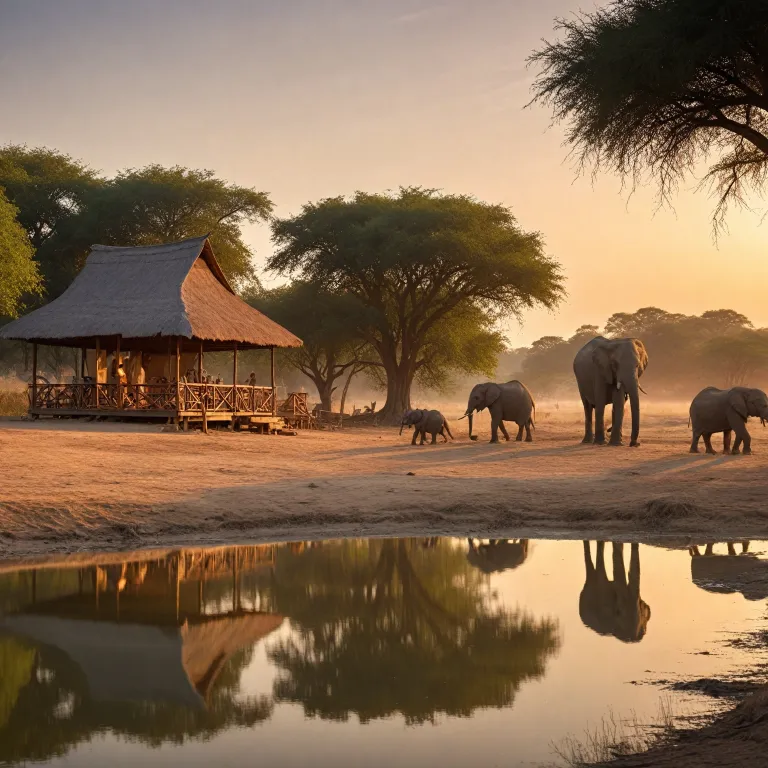
Luangwa valley luxury safaris and where to stay in style
The Luangwa Valley in eastern Zambia offers one of Africa’s most rewarding safari landscapes. This vast national treasure stretches along the Luangwa River, where oxbow lagoons and riverine woodland create ideal habitats for wildlife. For travelers choosing a luxury or premium lodge, understanding how the valley, the river, and the surrounding national parks connect is essential.
South Luangwa National Park covers about 9 050 km² and anchors most high-end safari itineraries. Here, the Luangwa River draws elephants, hippos, and the endemic Thornicroft’s giraffe to its banks, creating exceptional game viewing from both vehicle and river camp decks. Many guests pair a stay in the south with time in the more remote north Luangwa, where the wilderness feels wilder and visitor numbers remain low.
Luxury properties in the Luangwa Valley Zambia region typically sit along the river or on elevated ridges. A classic itinerary might combine a main safari lodge with a smaller bush camp south of the river for a deeper bush experience. This mix allows you to enjoy refined comforts at night while spending your days on walking safaris, photographic drives, and visits to conservation projects that protect the valley’s wildlife.
When planning a Luangwa safari, consider how many nights you want in each area. A balanced stay might include three nights in a central river camp, two nights in a remote bush camp, and a final night near Mfuwe for easy access to flights. This structure works well whether you focus on south Luangwa, north Luangwa, or a broader circuit that also includes Lower Zambezi National Park.
Choosing between south Luangwa, north Luangwa, and Lower Zambezi
Travelers often compare south Luangwa, north Luangwa, and Lower Zambezi when planning a Zambia safari. South Luangwa offers the widest choice of lodges, from intimate river camp hideaways to larger safari house options for families and groups. North Luangwa feels more remote, with fewer camps and a strong emphasis on walking safaris and low-impact tourism.
In south Luangwa National Park, game viewing is consistently strong along the Luangwa River and its network of lagoons. Night drives reveal leopard, hyena, and other nocturnal wildlife, while daylight hours focus on elephants, buffalo, and large herds of plains game. Many guests also seek out specialist properties such as Tafika Camp, Puku Ridge, or a classic bush camp south of the main river for a quieter atmosphere.
North Luangwa National Park appeals to travelers who value solitude and a raw bush experience. Here, the focus is on walking safaris with highly trained guides who interpret tracks, bird calls, and subtle signs of wildlife. The area forms part of a broader system of national parks and conservation areas that maintain connectivity across the Luangwa Valley.
Lower Zambezi complements the Luangwa national parks with water-based activities on the Zambezi River. Many visitors pair a Luangwa safari with canoeing, boating, and fishing in Lower Zambezi for a contrasting river landscape. For cultural context and refined city stays before or after your safari, consider elegant hotels in Lusaka via this curated guide to luxury and premium hotel booking in Zambia with cultural attractions.
Understanding camps, lodges, and safari houses in the Luangwa Valley
Accommodation terminology in the Luangwa Valley can be confusing for first-time visitors. A lodge usually offers more substantial infrastructure, with solid rooms, pools, and a wider range of facilities near the Luangwa River or main access roads. A bush camp, by contrast, is typically smaller and more seasonal, set deeper in the bush for an immersive wildlife experience.
In south Luangwa, you might stay at a river camp for easy access to game viewing along the water, then move to a mchenja bush or luwi bush style camp for a quieter setting. These bush camps in the valley often rely on solar power, canvas walls, and open-air lounges that bring the sounds of the national park into your night. The emphasis is on intimacy, guiding quality, and proximity to wildlife rather than extensive facilities.
Safari house options suit families or groups who want privacy and flexible schedules. A dedicated safari house in the Luangwa Valley Zambia region usually comes with a private guide, vehicle, and chef, allowing you to tailor game drives, walking safaris, and mealtimes. This format works well for multi-generational trips or friends traveling together who value exclusivity.
When comparing camps and lodges, pay attention to how each property uses its location within the valley. Some focus on open plains for daytime game viewing, while others sit near ebony groves or lagoons that attract wildlife at night. Reading detailed lodge descriptions and maps helps you understand whether a camp south of the river, a property in north Luangwa, or a river camp closer to Mfuwe best matches your travel style.
Wildlife, conservation, and responsible luxury in Luangwa
The Luangwa Valley is recognized as a biodiversity hotspot, with rich wildlife and important conservation initiatives. South Luangwa National Park alone hosts around 400 bird species, alongside elephants, hippos, lions, and the endemic Thornicroft’s giraffe. The valley’s mix of riverine forest, open plains, and mopane woodland supports varied game viewing throughout the dry season.
Conservation organizations such as the Zambian Carnivore Programme and the Zambia Wildlife Authority collaborate to protect large carnivores and their habitats. “The Luangwa Valley is renowned for its rich biodiversity, including large populations of elephants, hippos, and the endemic Thornicroft's giraffe.” Visitors can support these efforts by choosing lodges that invest in anti-poaching patrols, camera traps, and GPS tracking collars for key species. Many properties also partner with the International Fund for Animal Welfare on projects around Luambe National Park and other sensitive areas.
Responsible luxury in the Luangwa national parks means more than comfortable tents and fine dining. It involves community-based natural resource management, environmental education, and employment opportunities for local residents. When you read a lodge’s sustainability policy, look for clear commitments to reducing human wildlife conflict, supporting schools, and funding habitat restoration.
Guests can further contribute by respecting park regulations during every safari experience. Staying on designated tracks, keeping noise low during game drives, and avoiding flash photography at night all help reduce stress on wildlife. By aligning your travel choices with conservation priorities, your time in south Luangwa, north Luangwa, or the wider valley becomes part of a long-term effort to protect this remarkable river system.
Planning your Luangwa itinerary, seasons, and practical details
Thoughtful planning is essential to make the most of a Luangwa safari. The dry season, from roughly May to October, is generally considered the best time for concentrated game viewing along the Luangwa River. During these months, water sources shrink, wildlife gathers at remaining lagoons, and bush visibility improves significantly.
Many travelers structure their itinerary around three key areas within the valley. First, a stay in south Luangwa National Park offers classic game drives, walking safaris, and night drives from a central lodge or river camp. Second, a few nights in a more remote bush camp south of the main tourist hub provide a quieter bush experience with fewer vehicles.
Third, those seeking deeper wilderness may add north Luangwa or even combine the Luangwa Valley with Lower Zambezi National Park. This combination balances vehicle-based game viewing with canoeing or boating on a different river system. When planning, consider travel times between camps, as some transfers involve light aircraft flights over the valley Zambia landscape.
Health and safety also deserve careful attention when you read pre-departure information. Malaria prophylaxis is recommended for visitors to the Luangwa national parks, so consult a healthcare provider well before travel. Respect for local customs, park rules, and wildlife distances ensures that your experience remains both safe and respectful, whether you stay in a safari house, a river camp, or a remote bush camp.
How to choose the right luxury property in the Luangwa Valley
Selecting the right camp or lodge in the Luangwa Valley requires balancing comfort, location, and style of safari. Start by clarifying whether you prefer a lodge with more facilities or a smaller bush camp with a stronger sense of remoteness. Then, decide how important walking safaris, night drives, or photographic hides are to your overall experience.
Properties such as Tafika Camp and Puku Ridge in south Luangwa emphasize high quality guiding and excellent game viewing from both vehicles and camp. Some river camp locations overlook key crossing points on the Luangwa River, where elephants and other wildlife move between feeding areas. Others sit near ebony groves or open plains that attract predators and large herds at different times of day.
Travelers who value privacy might opt for a safari house or a camp south of the busier central areas. These options often include flexible dining, private vehicles, and tailored activities that suit families or small groups. When comparing choices, consider how many nights you will spend in each property and whether you want to split time between south Luangwa, north Luangwa, and possibly Lower Zambezi.
Finally, look at how each property engages with conservation and local communities across the valley Zambia region. Many lodges support anti-poaching units, schools, and healthcare projects that benefit residents living near the national parks. By choosing a camp, lodge, or safari house that invests in the future of the Luangwa Valley, your stay contributes directly to safeguarding this remarkable river and its wildlife.
Extending your Zambia journey beyond the Luangwa Valley
Many visitors combine the Luangwa Valley with other destinations in Zambia for a richer itinerary. After several nights in south Luangwa or north Luangwa, some travelers head to Lower Zambezi National Park for water-based activities. Others prefer to spend time in Lusaka or Livingstone, adding cultural experiences and urban comforts to their safari journey.
Lusaka offers a growing selection of premium hotels that pair well with a Luangwa safari. For refined city stays before or after your time in the valley, consider this curated overview of elegant hotels in Lusaka Zambia for refined city stays. These properties provide reliable services, comfortable rooms, and easy access to domestic flights that connect to Mfuwe, the main gateway for south Luangwa.
When extending your trip, think about how each region complements the Luangwa national parks. A few nights in Lower Zambezi add boating and canoeing to your game viewing portfolio, while time in Lusaka introduces galleries, markets, and restaurants. This balance between bush and city helps you appreciate Zambia’s diversity beyond the famous Luangwa River and its wildlife.
Whatever combination you choose, keep the valley’s conservation story in mind as you read about different options. The Luangwa Valley’s ongoing initiatives to combat poaching, restore habitats, and reduce human wildlife conflict depend partly on responsible tourism revenue. By selecting lodges, camps, and hotels that prioritize sustainability, your journey through valley Zambia landscapes supports both wildlife and local communities.
Key statistics about the Luangwa Valley and South Luangwa National Park
- Area of South Luangwa National Park : 9 050 km².
- Number of bird species recorded in South Luangwa National Park : approximately 400 species.
- Estimated African wild dog population in the Luangwa Valley : about 350 individuals.
Essential questions about visiting the Luangwa Valley
What is the Luangwa Valley known for?
The Luangwa Valley is renowned for its rich biodiversity, including large populations of elephants, hippos, and the endemic Thornicroft's giraffe. This concentration of wildlife, combined with the scenic Luangwa River and relatively low visitor numbers, creates an exceptional safari experience. The valley’s mix of national parks and community areas also supports important conservation and research projects.
How can visitors contribute to conservation efforts in the Luangwa Valley?
Visitors can support conservation by choosing eco-friendly lodges, participating in community-based tourism, and adhering to park guidelines to minimize their environmental impact. Many camps and lodges in south Luangwa and north Luangwa partner with conservation organizations, so your stay directly funds anti-poaching patrols and habitat protection. Respectful behavior on game drives and walking safaris further helps reduce stress on wildlife and supports long-term sustainability.
Are there any endemic species in the Luangwa Valley?
Yes, the Luangwa Valley is home to endemic species such as the Thornicroft's giraffe and Cookson's wildebeest. These animals are found only in this part of Zambia, making sightings particularly special for wildlife enthusiasts. Choosing experienced guides and spending several nights in key areas of South Luangwa National Park increases your chances of observing these unique species.